


Miriam Malek
Miriam Malek
Miriam writes about the wider Middle East region for Gas Outlook. She has been reporting on oil, gas, energy policy and climate since 2014. Miriam is currently based in Berlin.
The Israeli strike on Qatar last month has been widely viewed by industry and regional commentators as a marked departure from established political norms.
Attacks on key energy infrastructure sites have exacerbated electricity supply concerns, potentially stoking domestic discontent and highlighting security vulnerabilities.
Hydrogen as a fuel is structurally unaffordable and could be used as a predatory delay tactic in the Middle East, experts warned.
With Trump back in office, doubts remain over how the Middle East’s energy transition can happen at a pace which conforms with global climate targets.
Iraq alone is responsible for around 13% of global gas flaring, according to the World Bank.
Last year’s COP28 provided an important framework for discussing a new energy systems order where fossil fuels would be less central, one analyst said.
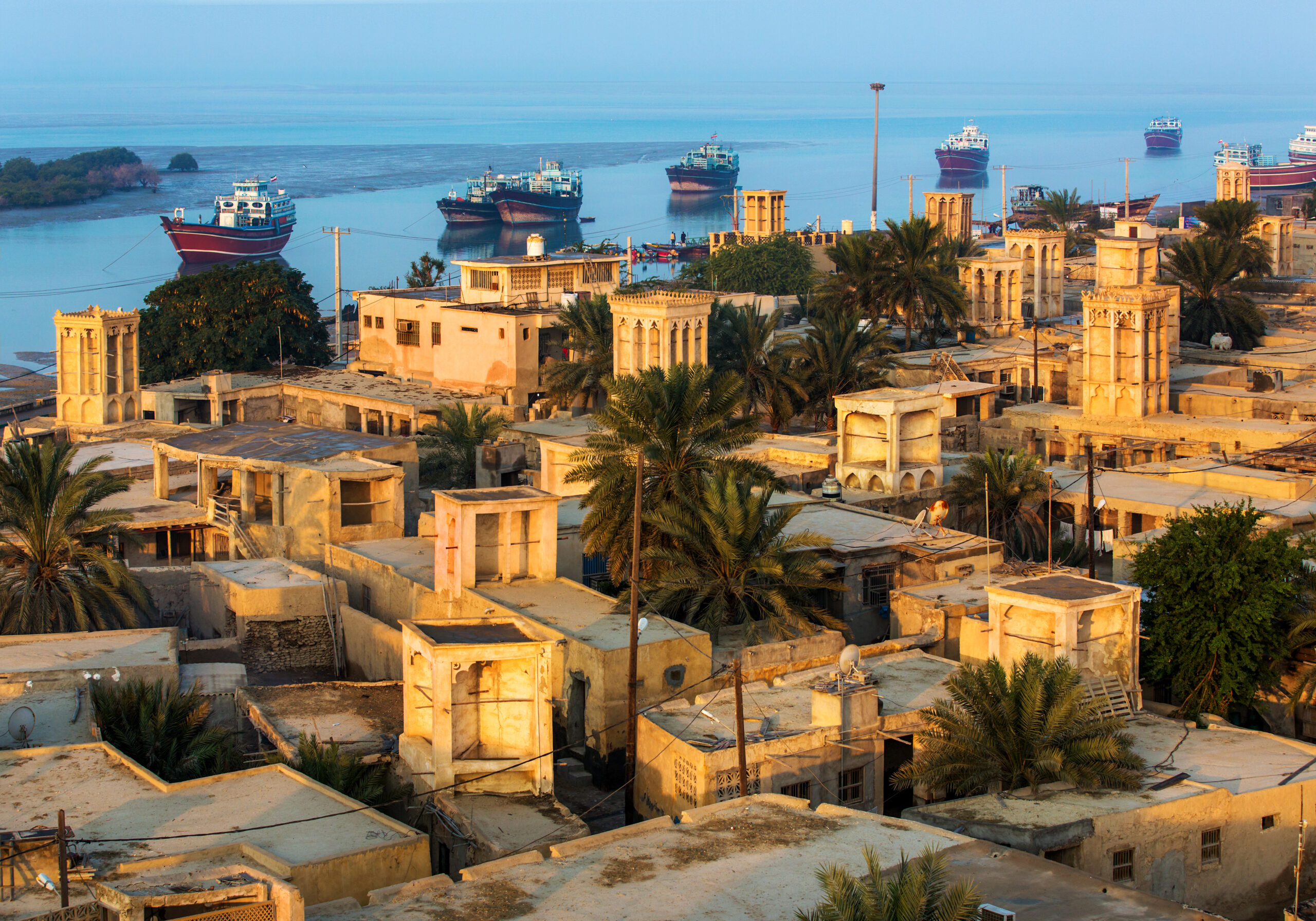
The Iran gas pipeline attacks point to escalating tensions in the region.
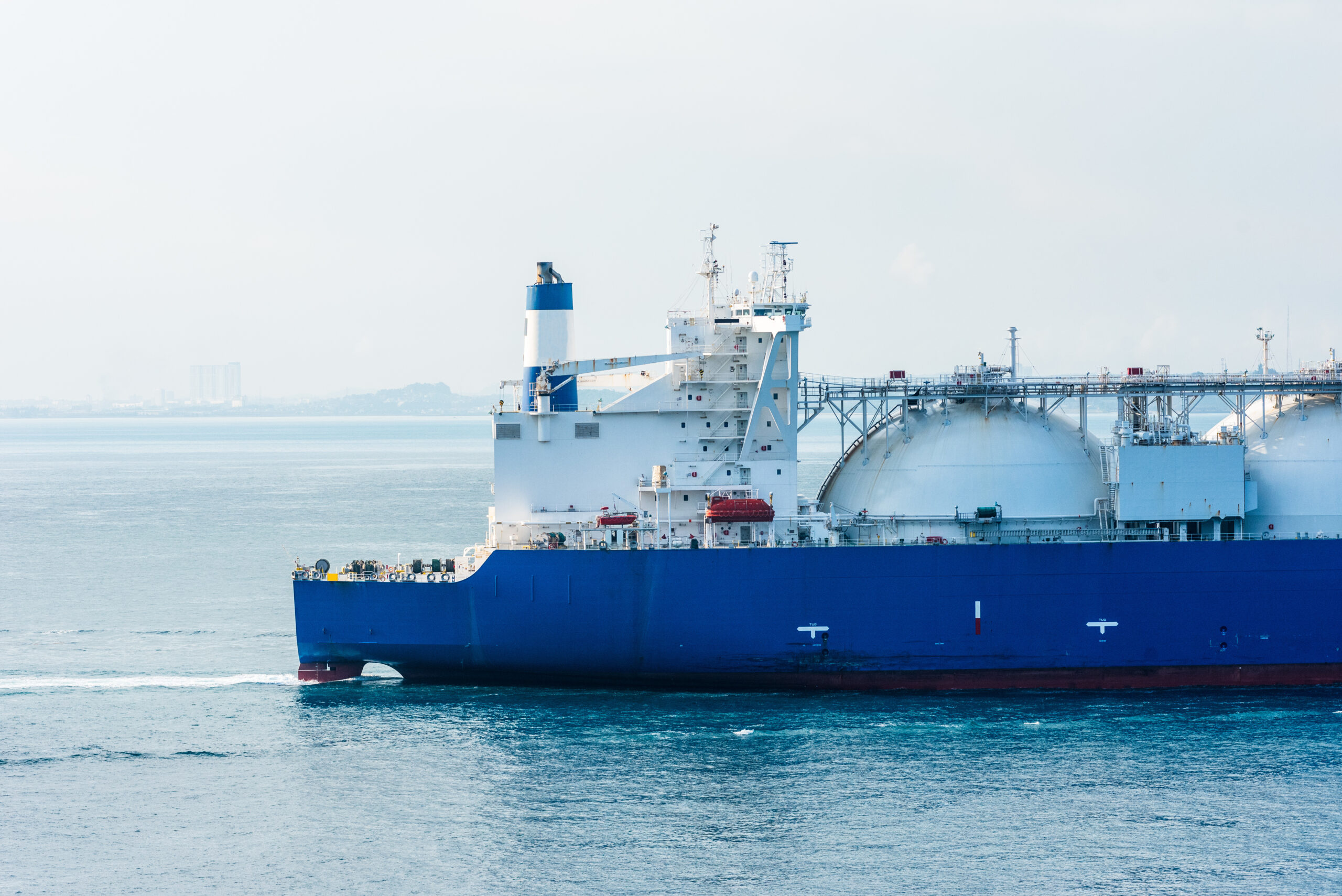
Disruptions from the Red Sea have already been priced in and are unlikely to cause further price hikes, one analyst said.
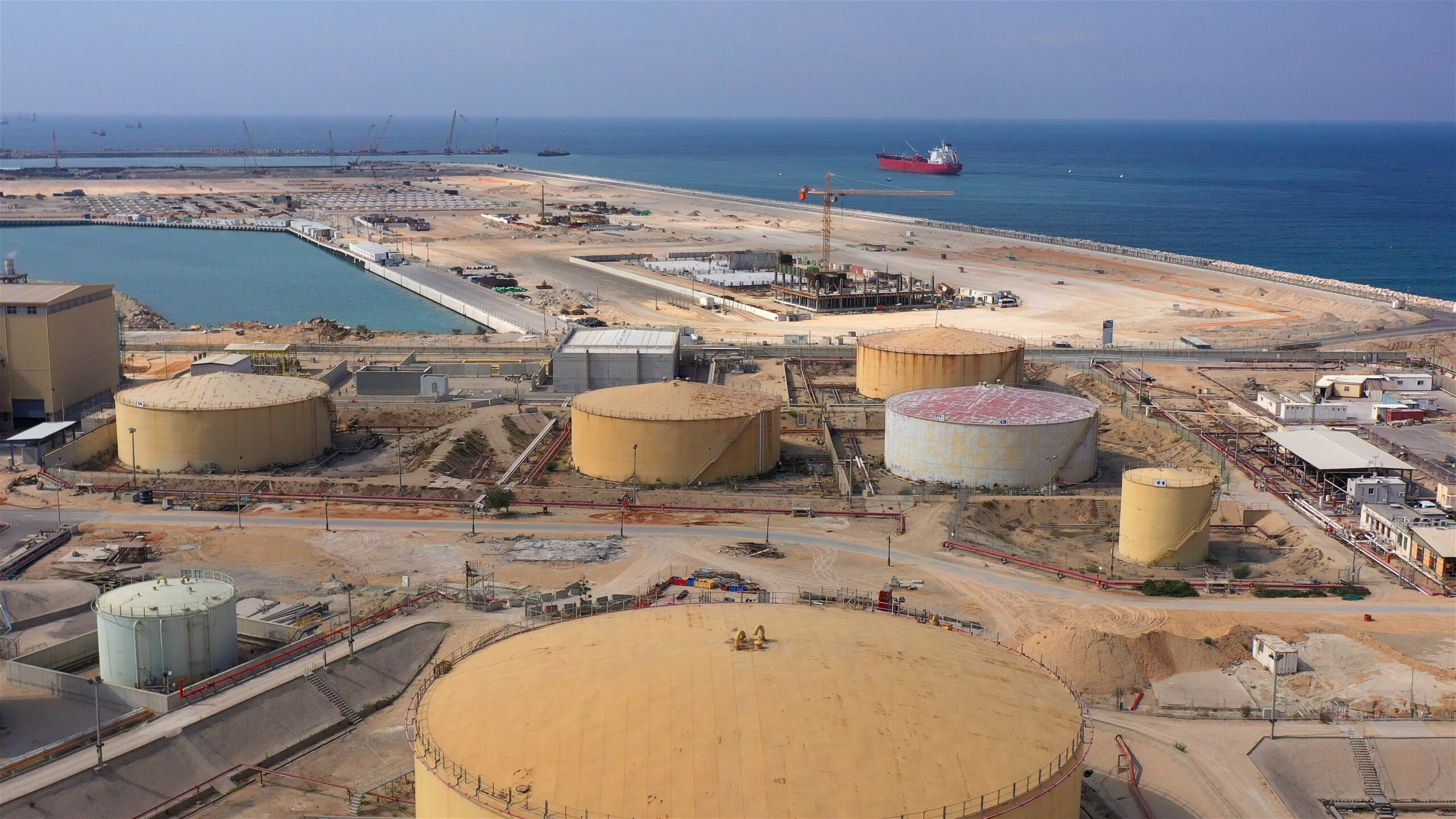
The Gulf states remain relatively insulated from the Israel Gaza war, but heightened geopolitical tensions come as governments try to attract foreign direct investment.
Amid the ongoing Israel-Gaza war, rumours are circulating that Israel is eyeing offshore development in waters close to the Gaza Strip.


