

Africa
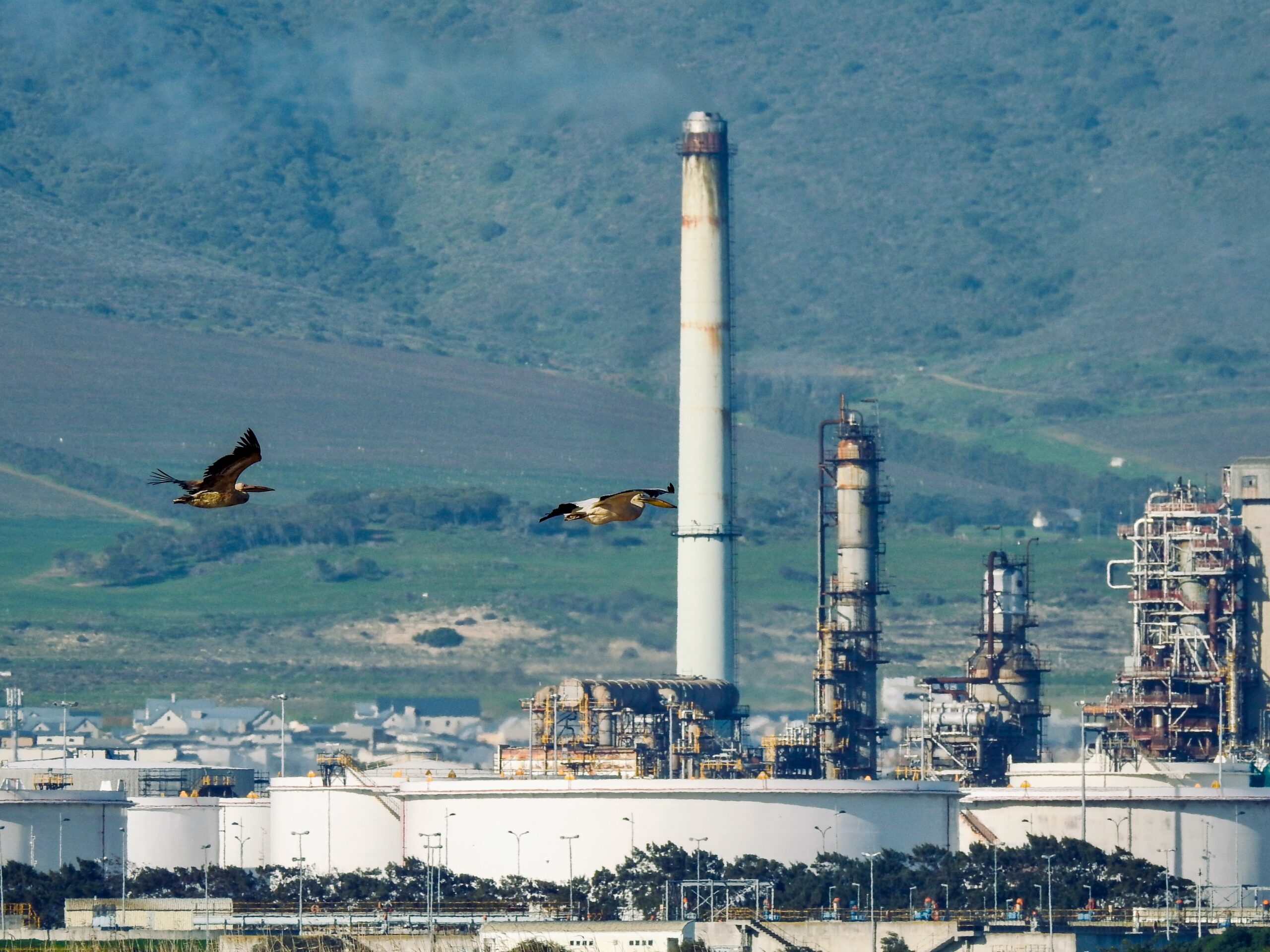
Several natural gas projects are under development in South Africa as the country seeks to ease energy shortages and reduce its dependence on coal, but there are calls for more renewables to be added to the energy mix.
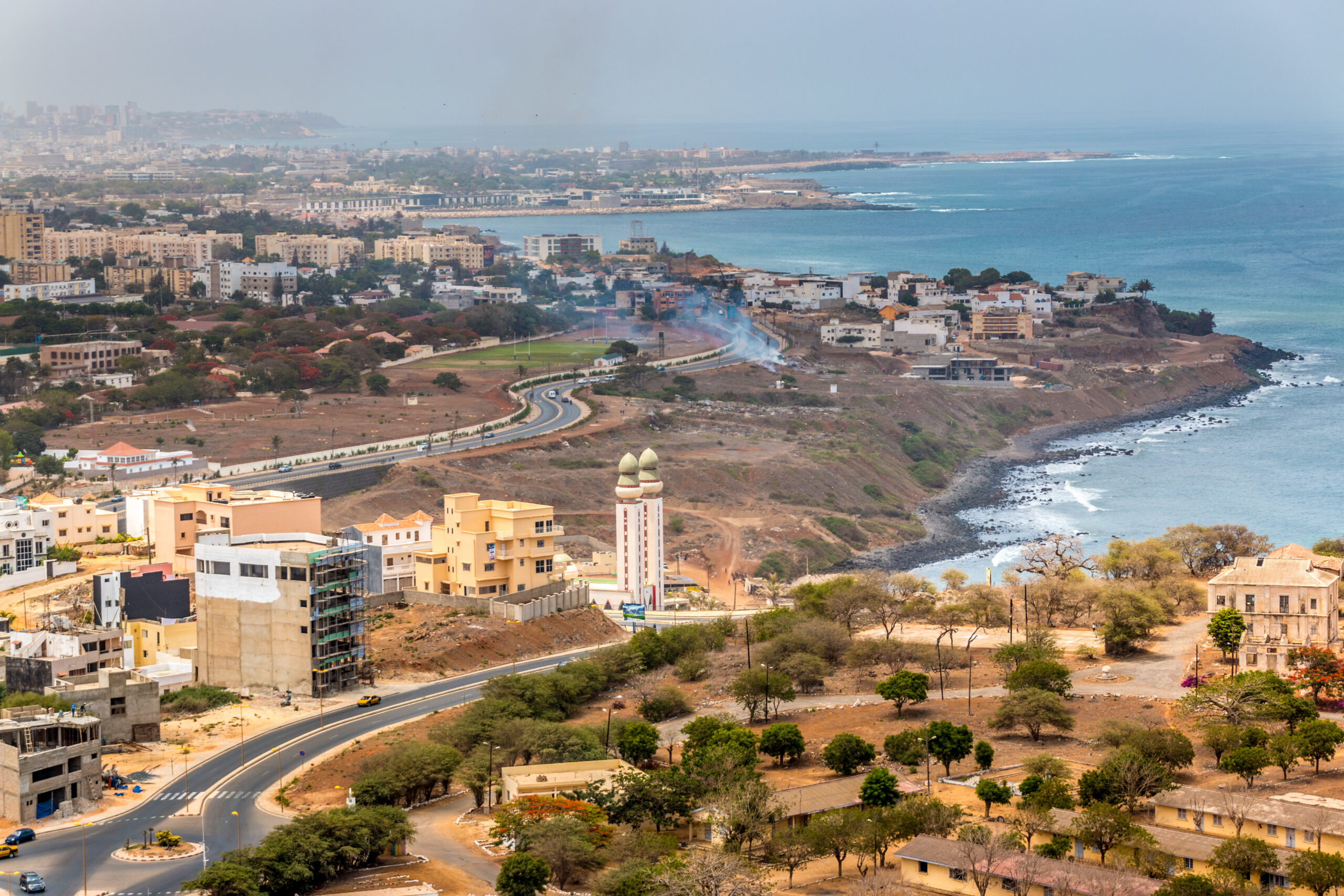
Senegal's latest Energy Policy Review outlines progress in renewable energy, highlighting challenges and emphasising the inclusive governance needed for sustainable economic growth.
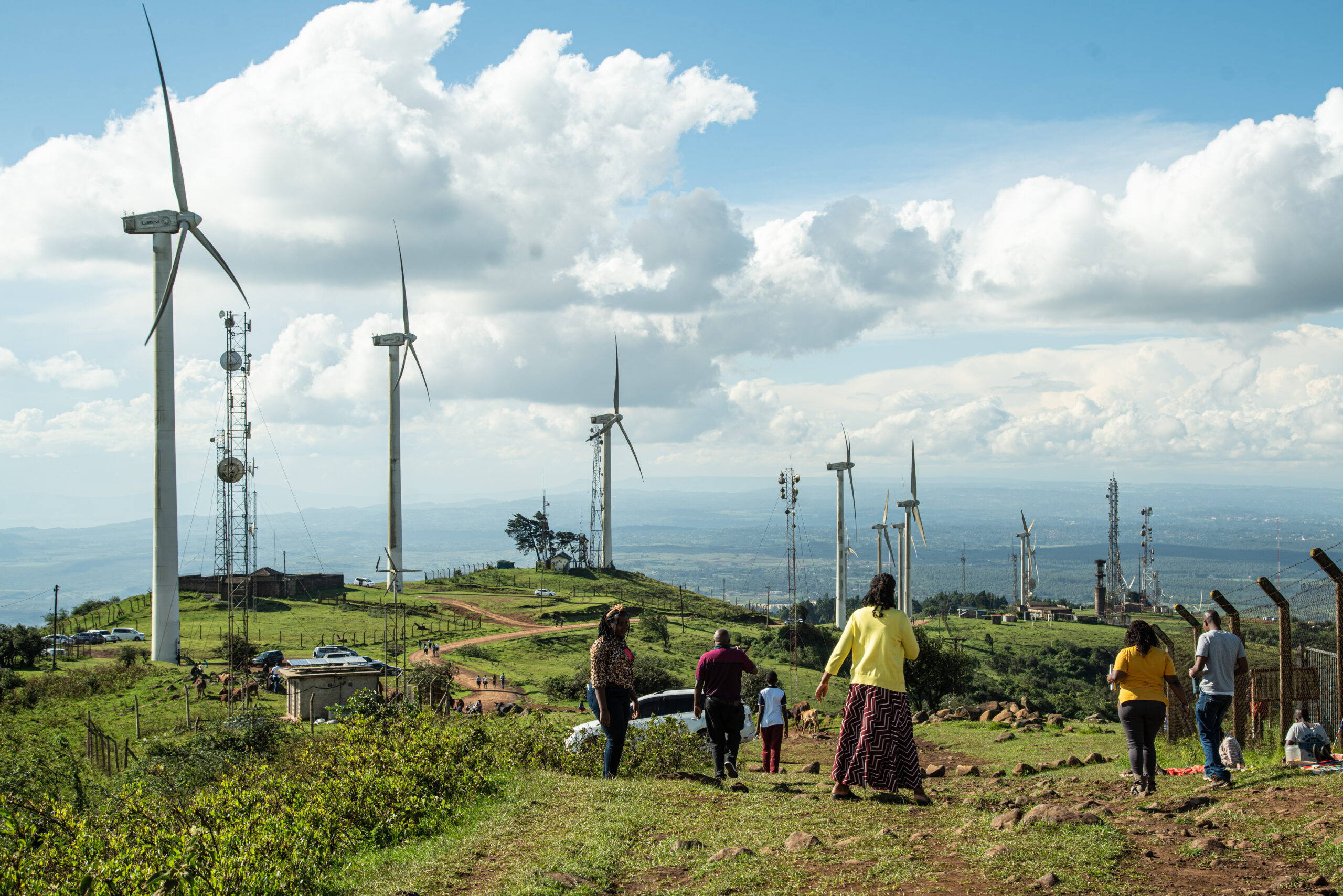
Kenya's energy transition pathway aims for net zero emissions by 2050 through renewable energy adoption. Experts noted challenges including lack of infrastructure and financing.
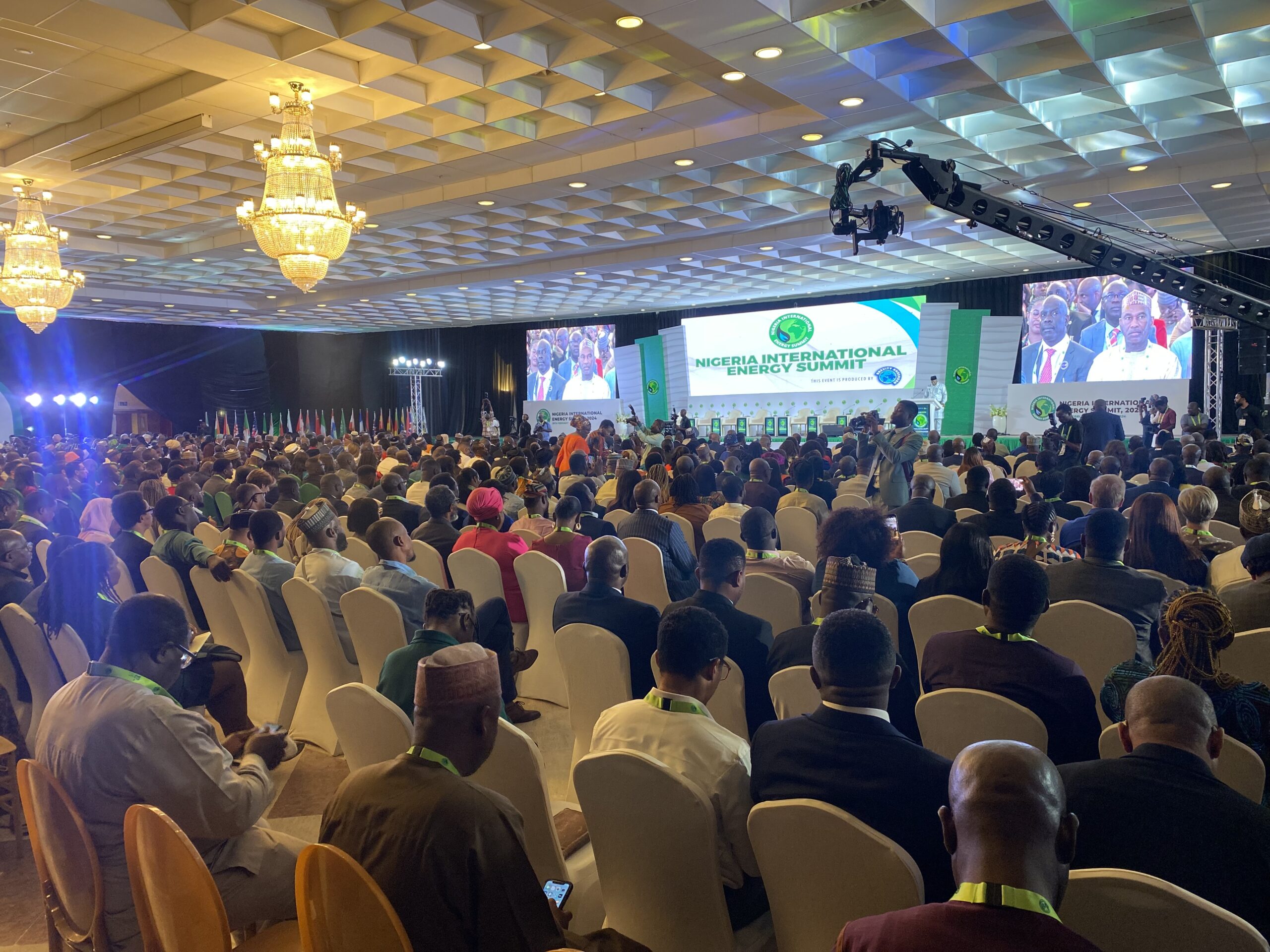
At the Nigeria International Energy Summit, the country’s upstream regulator stressed the need for due process during IOCs' divestment in Nigeria amid Shell's sale.
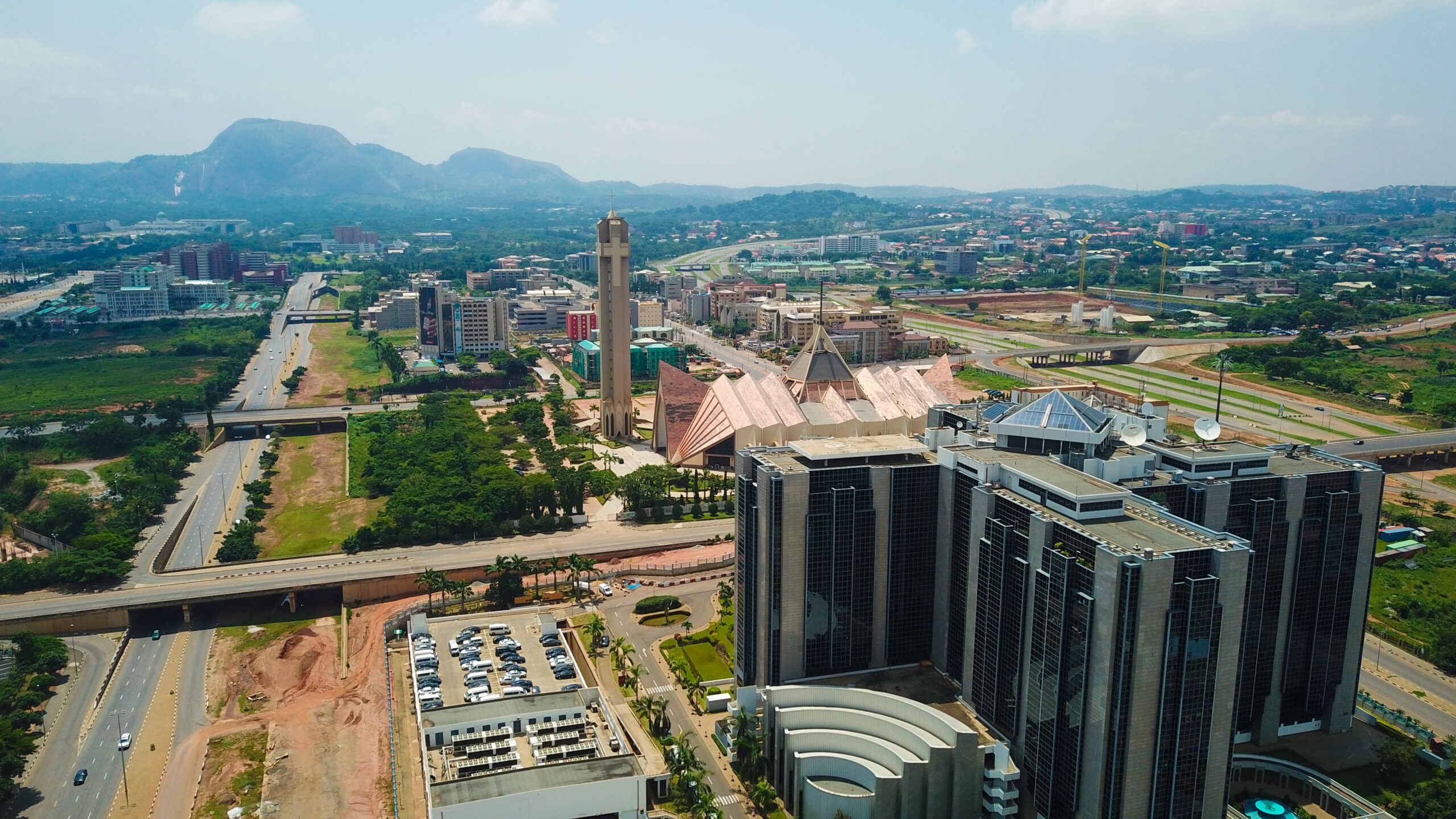
African leaders and energy experts are convened at Nigeria International Energy Summit this week.
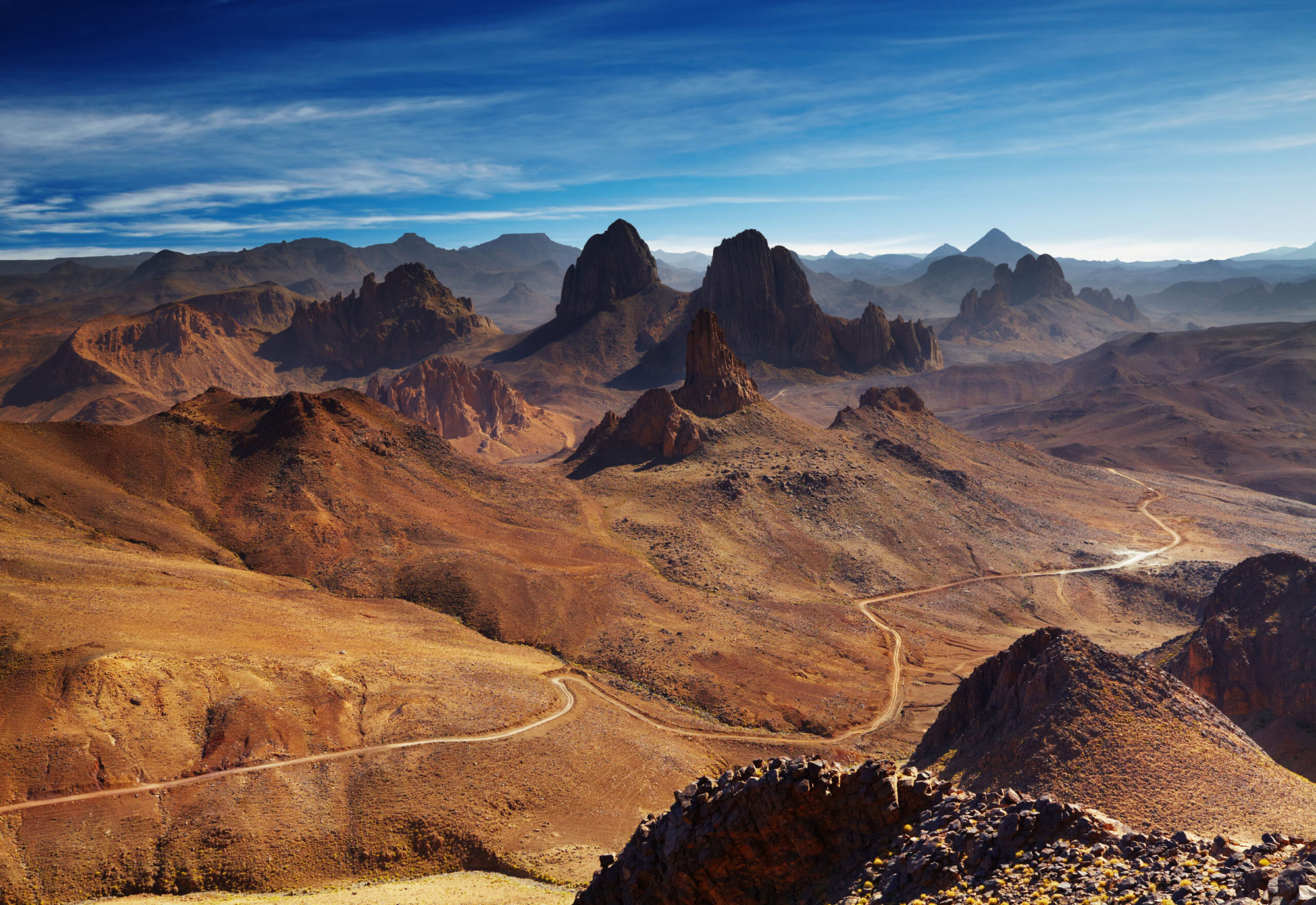
The two tenders formed part of Algeria's national plan to install 15,000 MW of solar capacity by 2035.
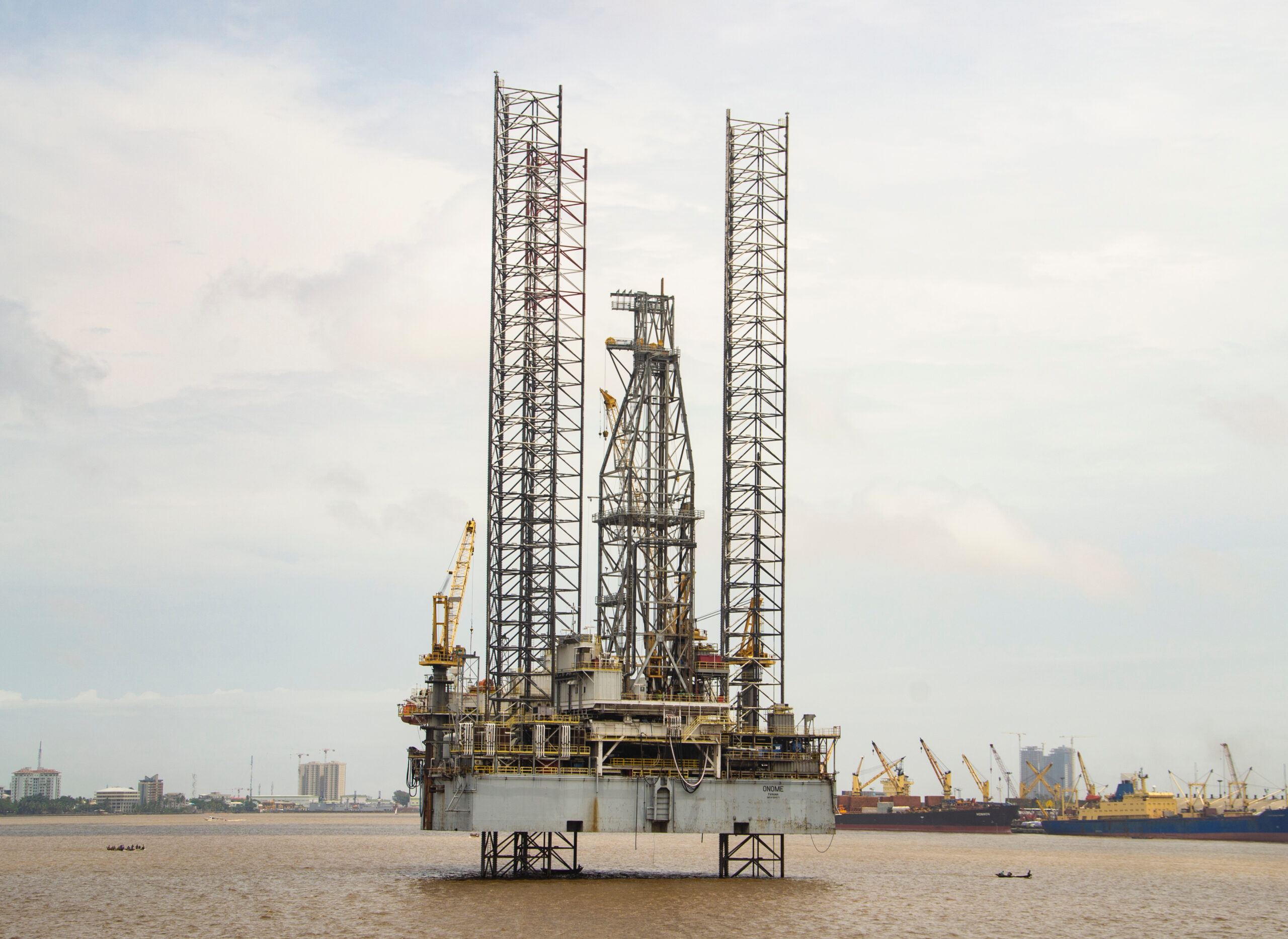
Shell has sold its Nigerian subsidiary to a local consortium for $2.4 billion, exiting onshore, prompting experts to raise environmental and legal concerns.
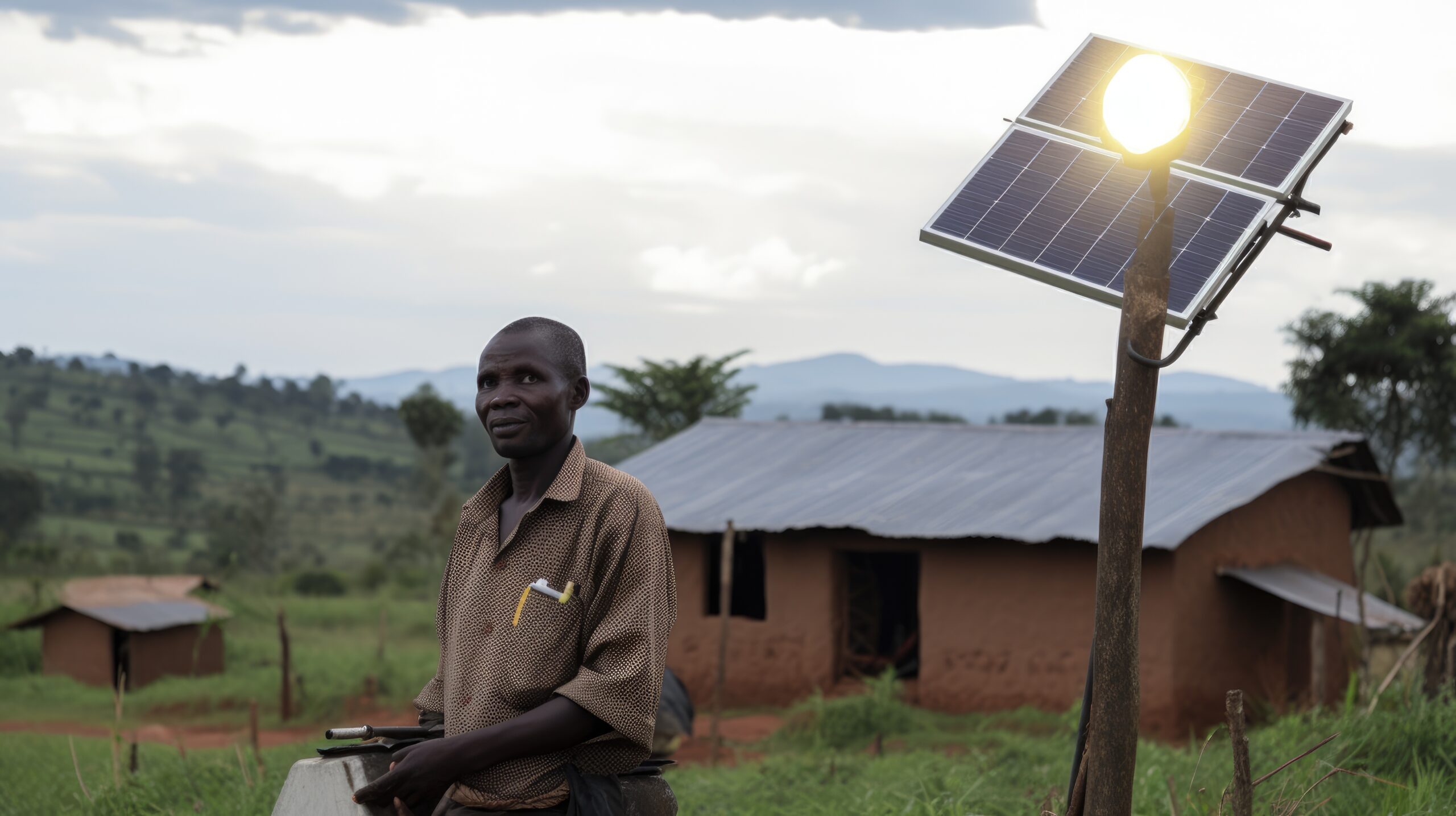
Uganda’s new energy transition plan marks progress but emissions reductions efforts could be complicated by the planned East African Crude Oil Pipeline, experts told Gas Outlook.
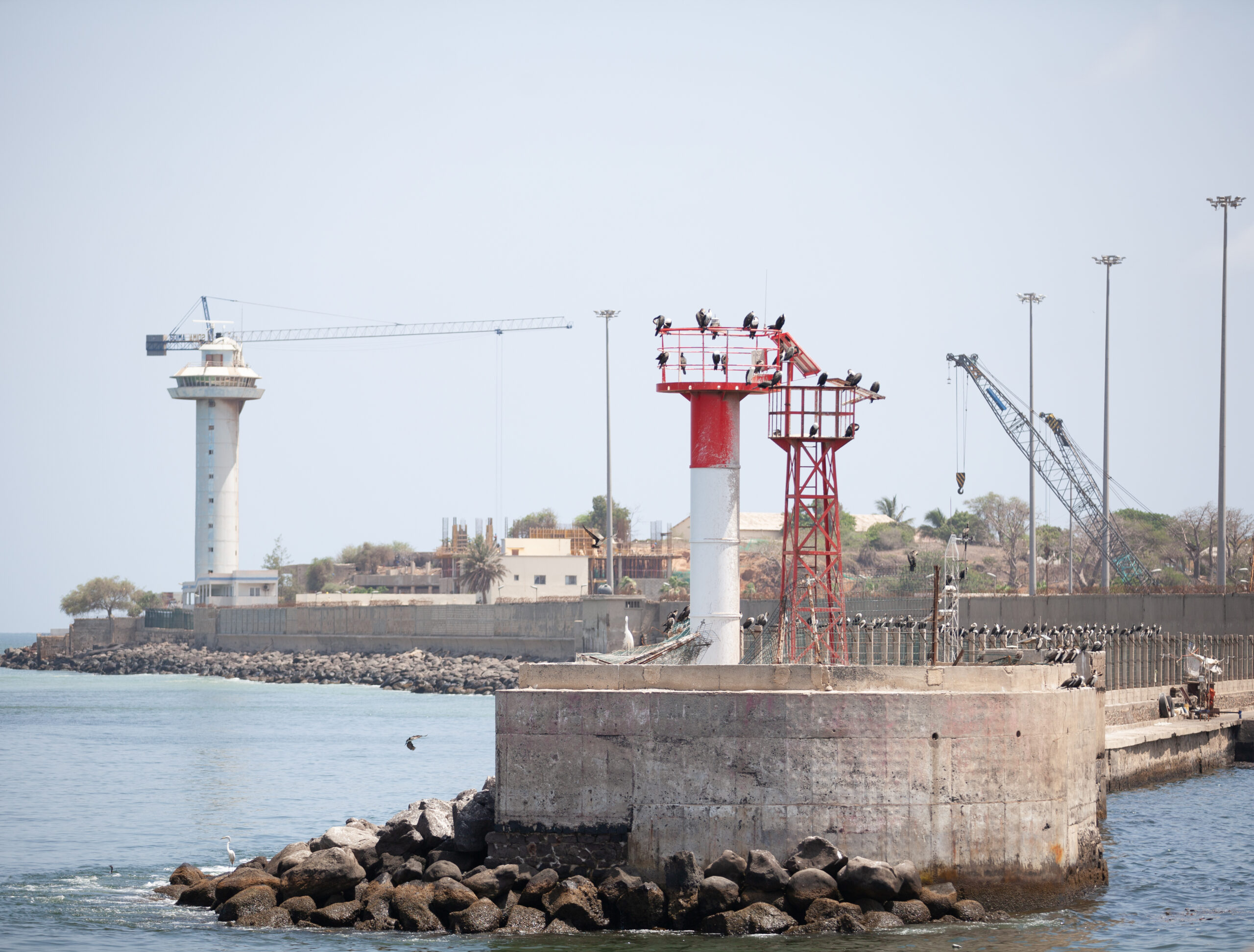
African LNG development continues to run into delays owing to various factors including a lack of investment, security issues and poor infrastructure.
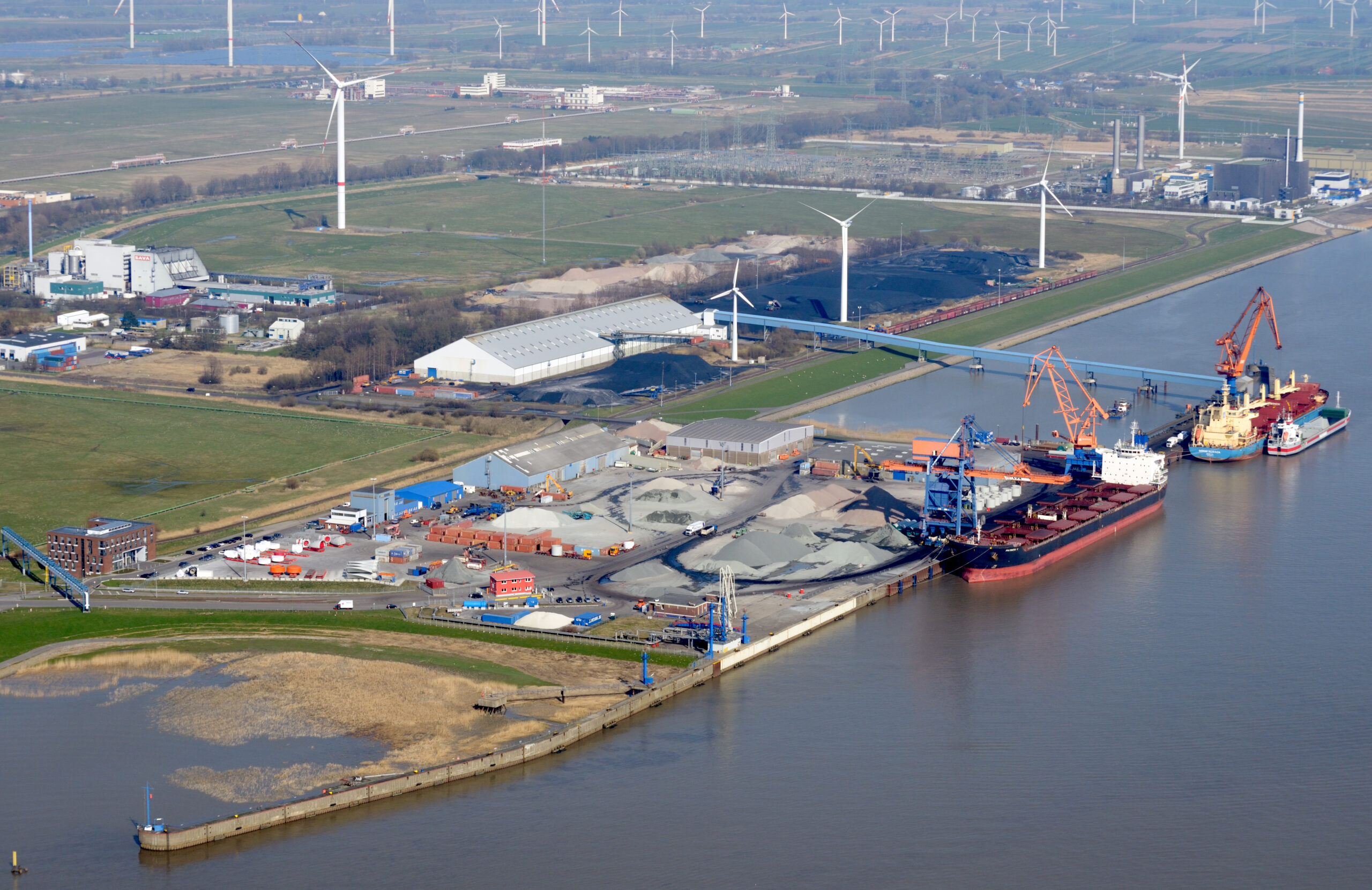
A new Nigeria-Germany gas export deal has raised concerns about potential impact on decarbonisation targets.
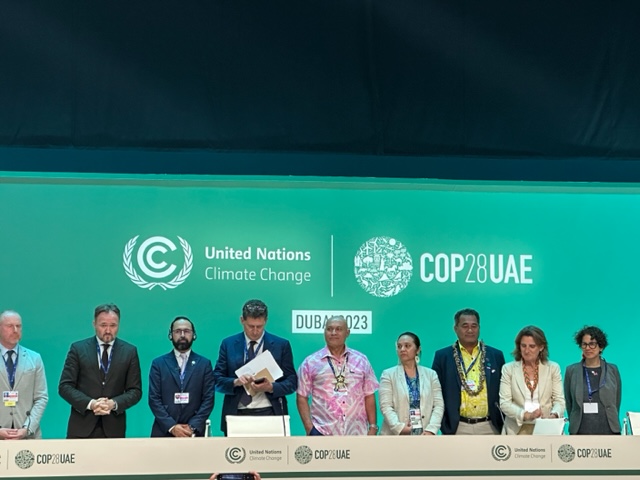
Spain joined the alliance against gas and oil that it rejected two years ago. Kenya and Samoa also joined, it was announced at COP28.
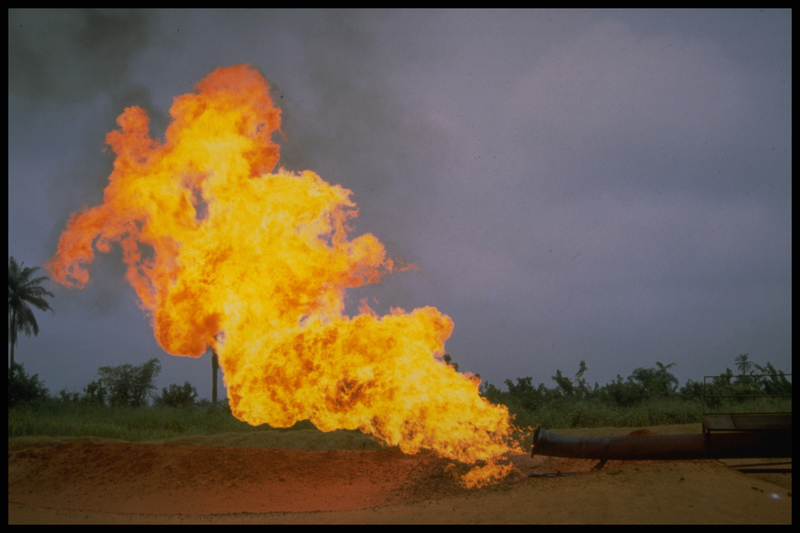
Gas flaring, routinely carried out by companies producing oil in Nigeria, poses a significant hazard to the health of those exposed to it, especially children.