

Middle East
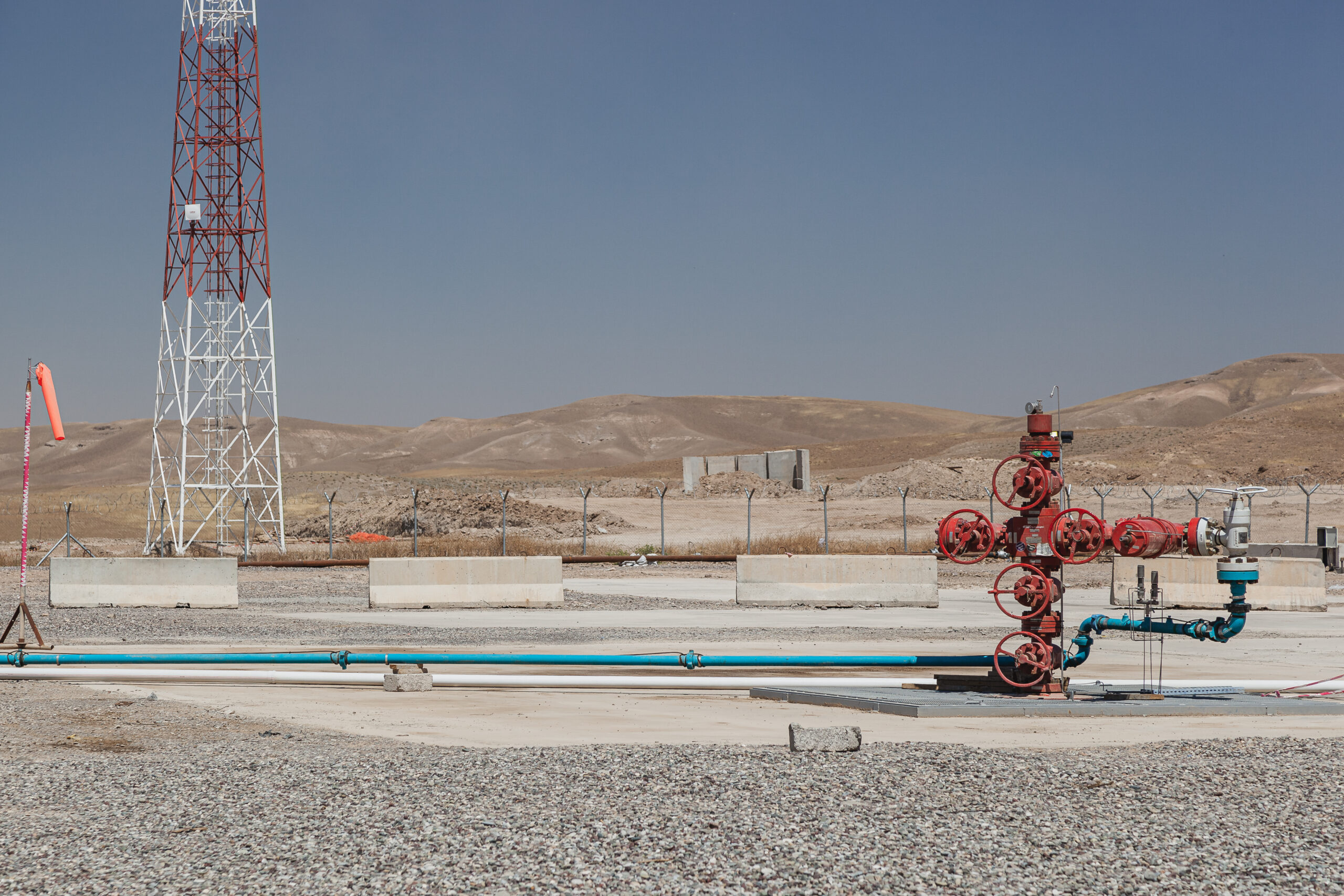
An Iraqi man’s son died of leukemia a year ago. He says that BP’s excessive gas flaring in southern Iraq is the cause, and he is seeking damages from the British oil giant.
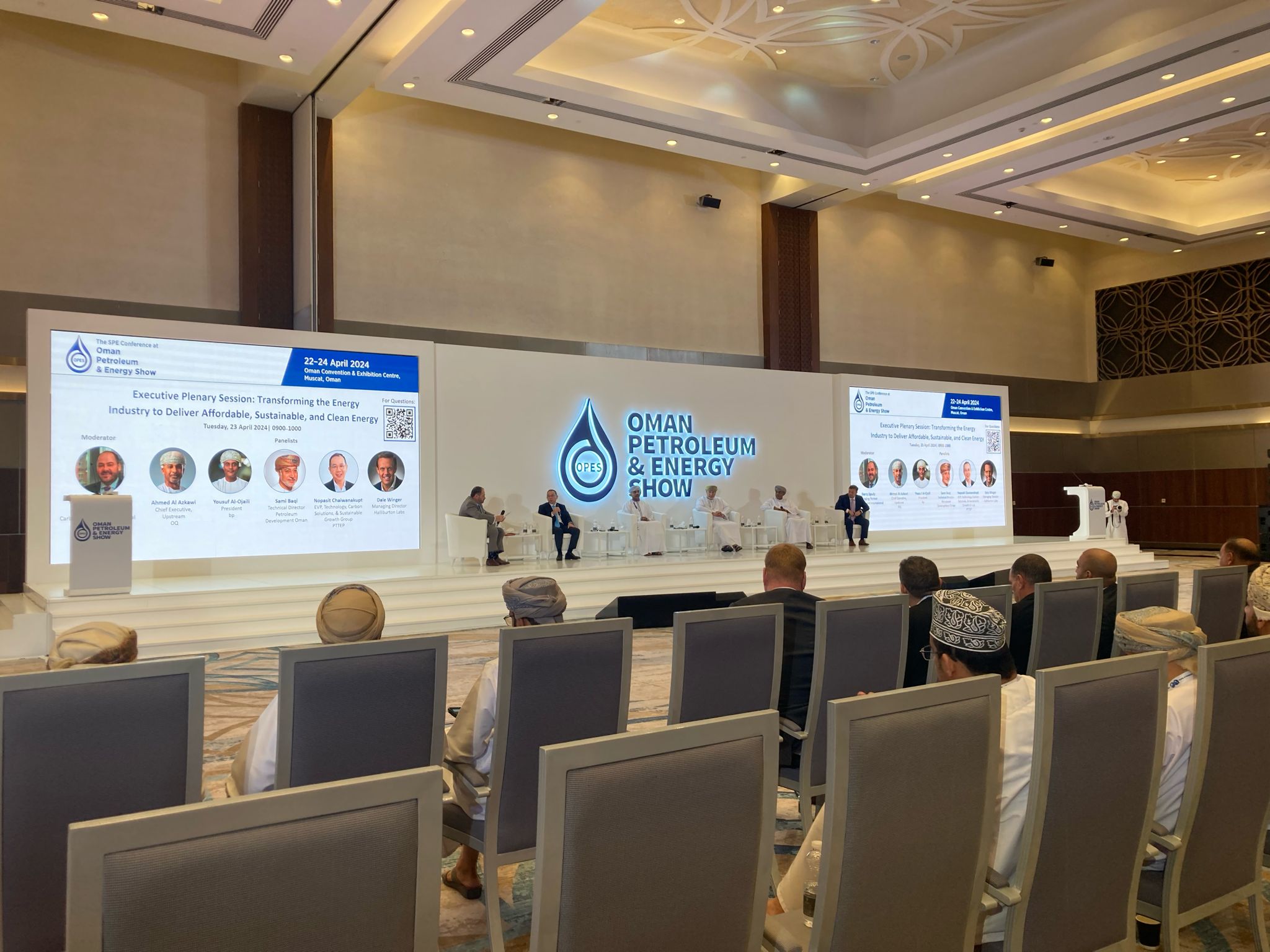
Oman's energy transition cannot happen without oil and gas still playing a role, delegates said at an Oman energy show this week.
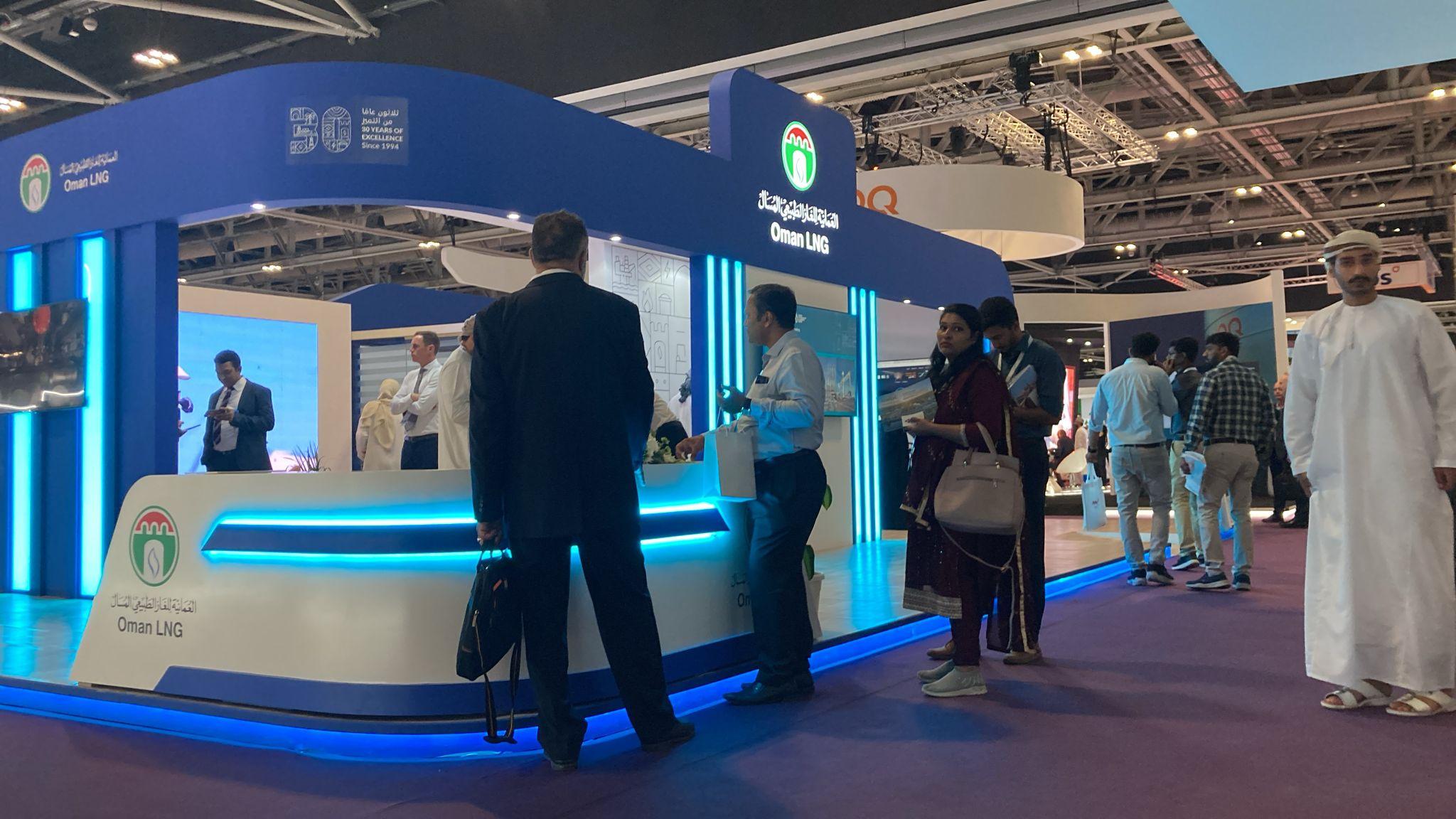
Oman LNG has made headlines in recent weeks with a string of new LNG contracts, but more are still expected, a manager at the firm told Gas Outlook in an exclusive interview.
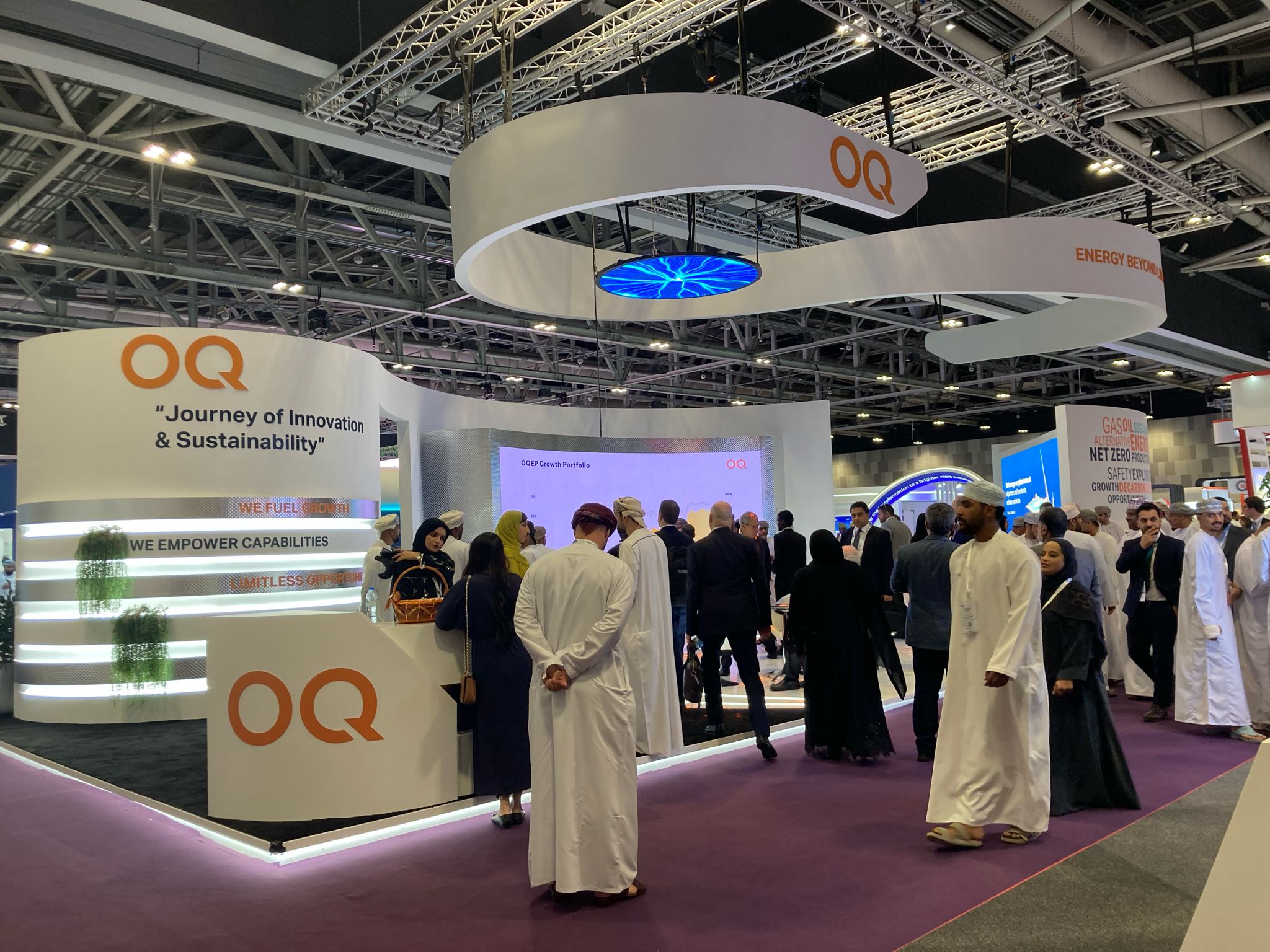
Omani energy firm OQ is keen to develop more downstream gas projects, its chief executive of upstream told Gas Outlook.
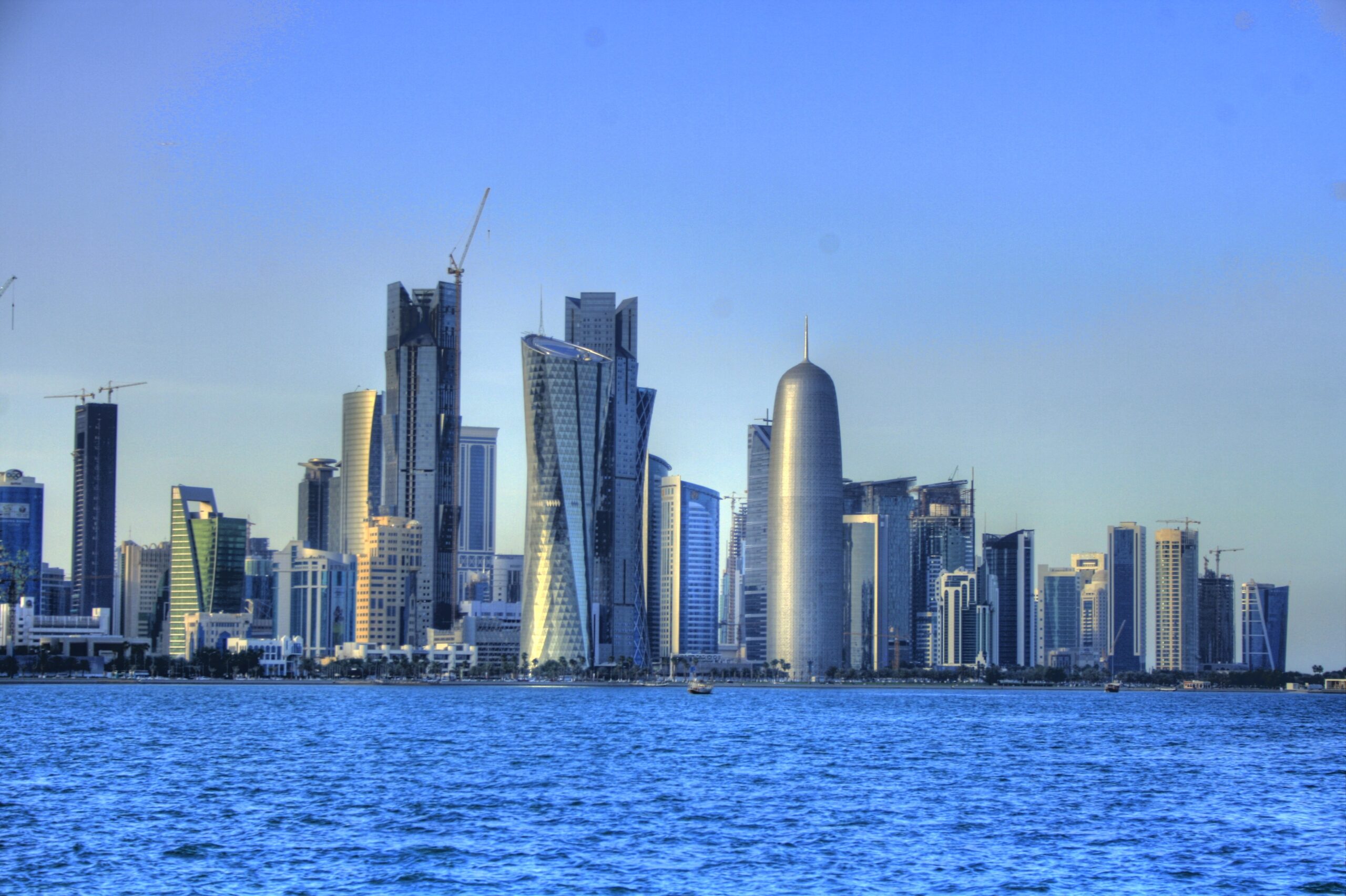
State-run QatarEnergy has announced a third LNG expansion plan, but Qatar has yet to tackle emerging risks including regulation on methane emissions.
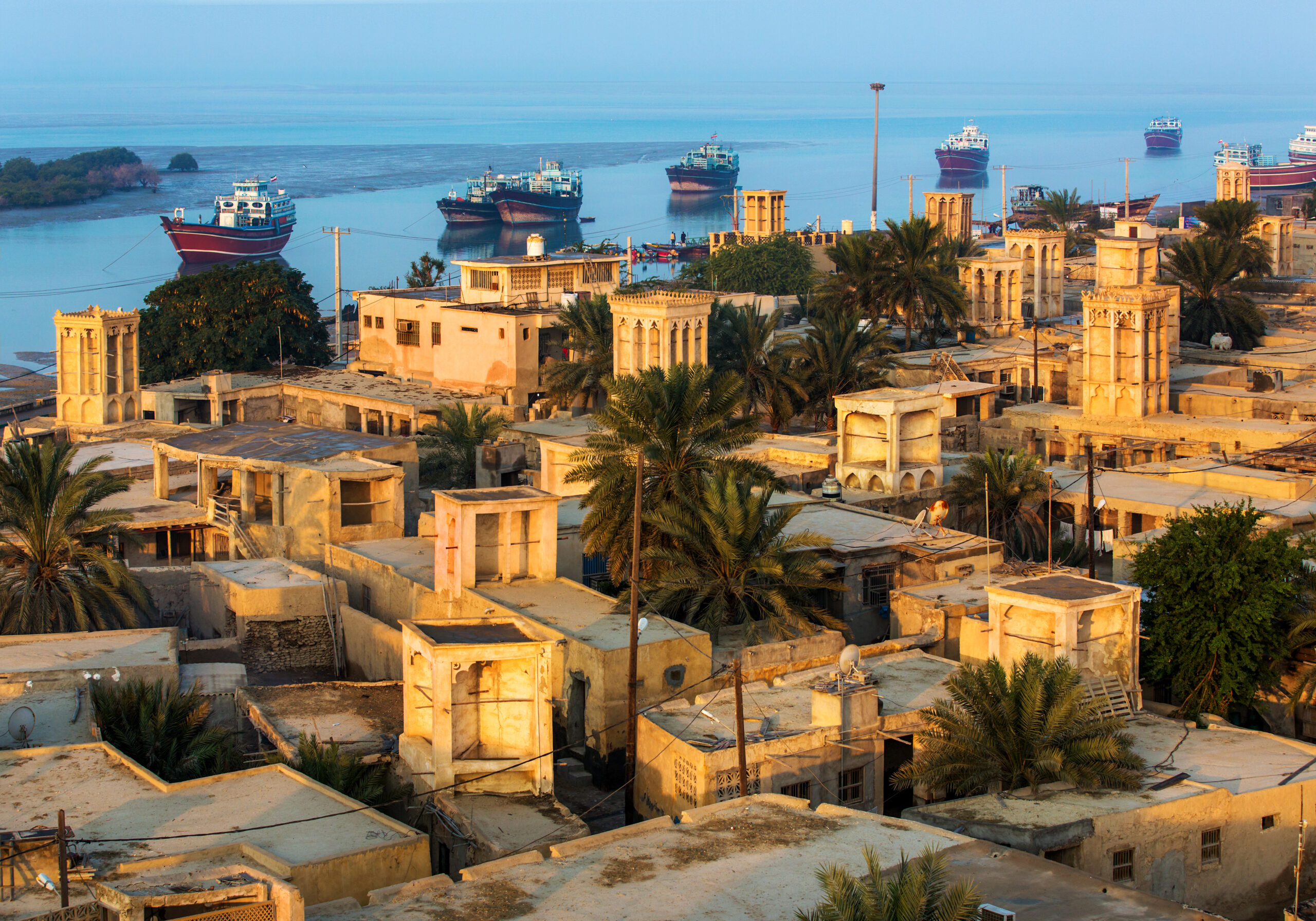
The Iran gas pipeline attacks point to escalating tensions in the region.
The Gulf states remain relatively insulated from the Israel Gaza war, but heightened geopolitical tensions come as governments try to attract foreign direct investment.
The ongoing conflict in Gaza has led to questions over the risk to existing and new natural gas projects in the Eastern Mediterranean.
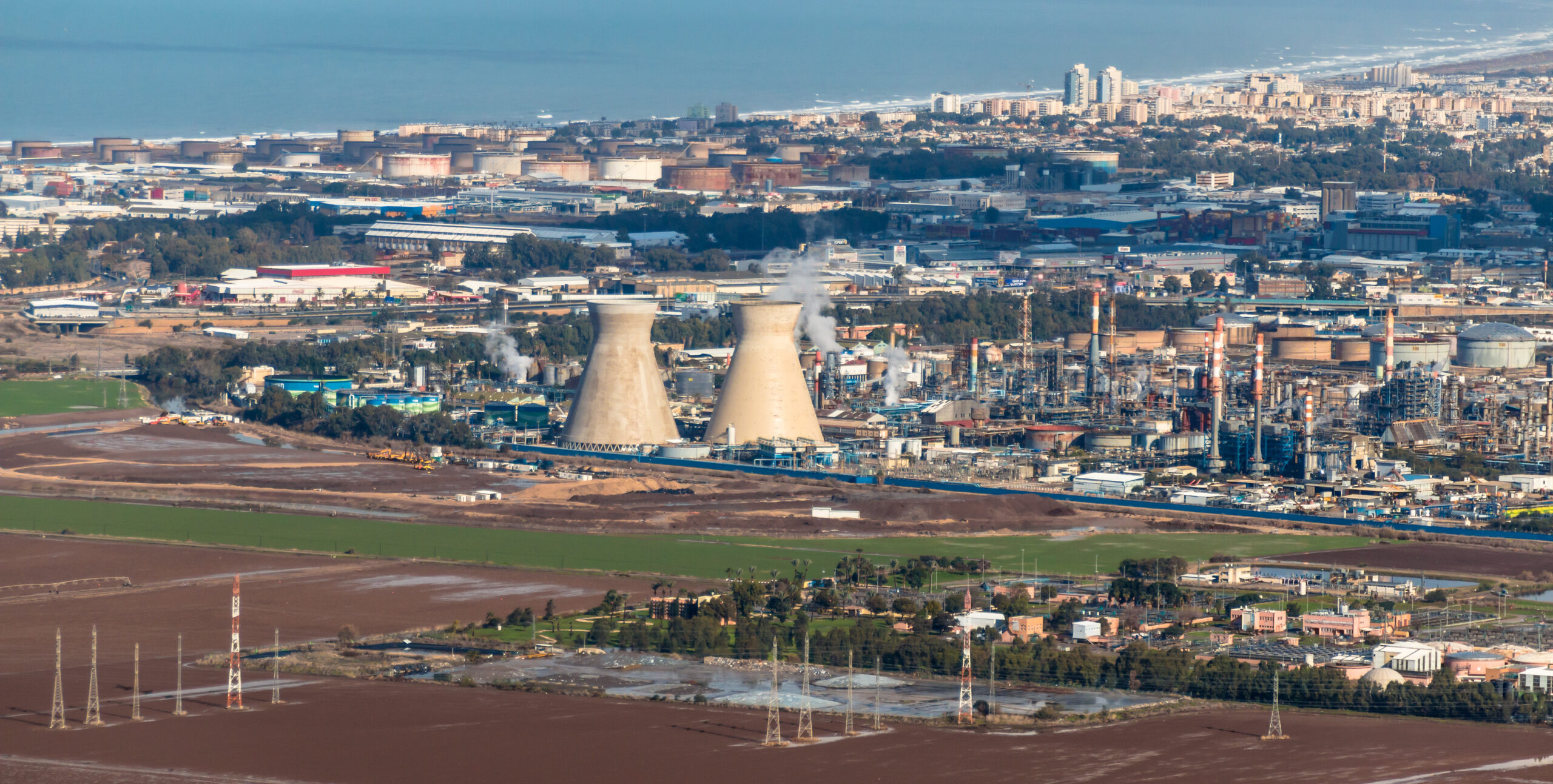
Israel’s gas market remains small, but in the decade before the war in Gaza began in October its growth was remarkable.
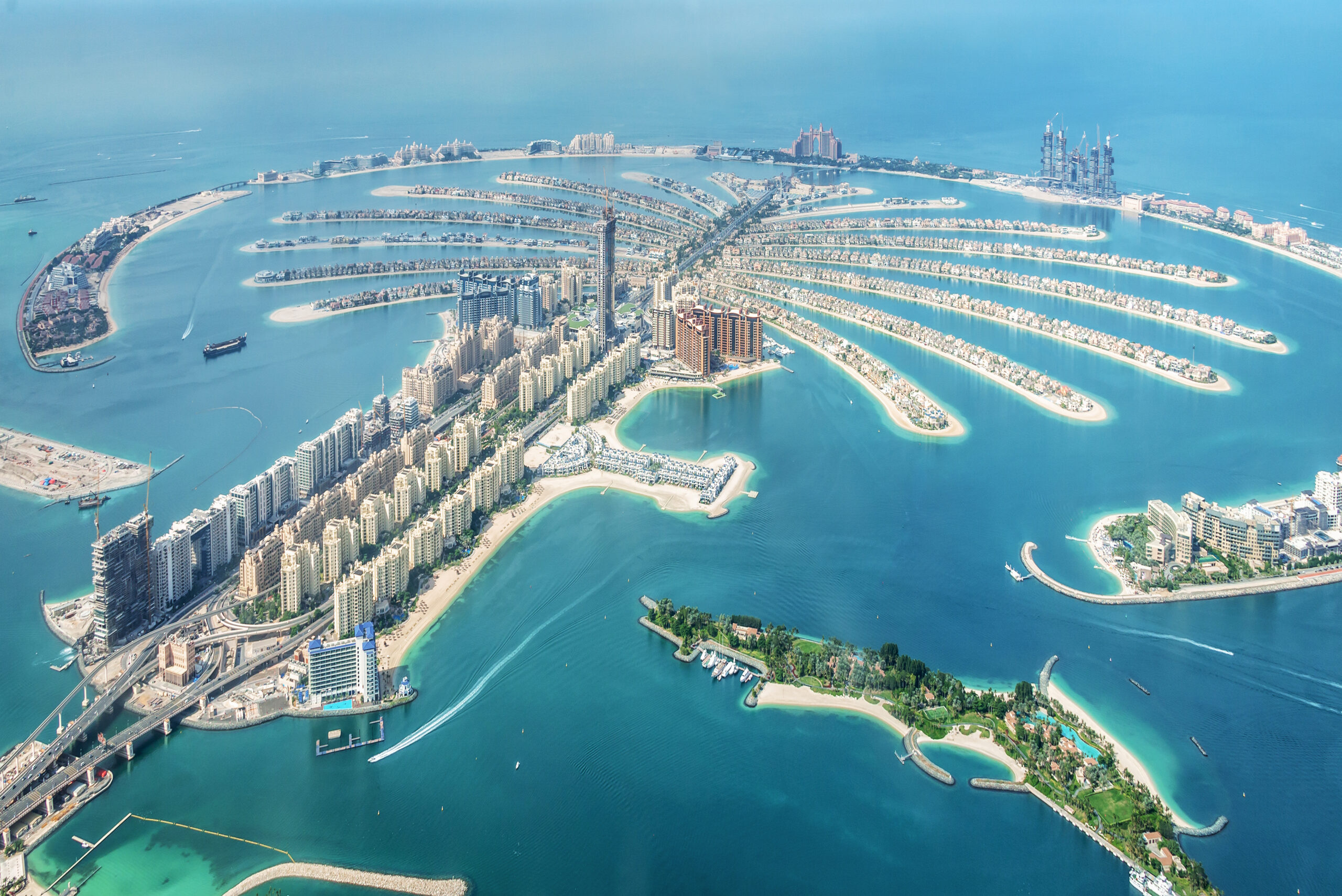
The COP28 summit opened today with a decision to discuss financing the loss and damage fund, in the hope of reaching an agreement before moving onto more complex topics.
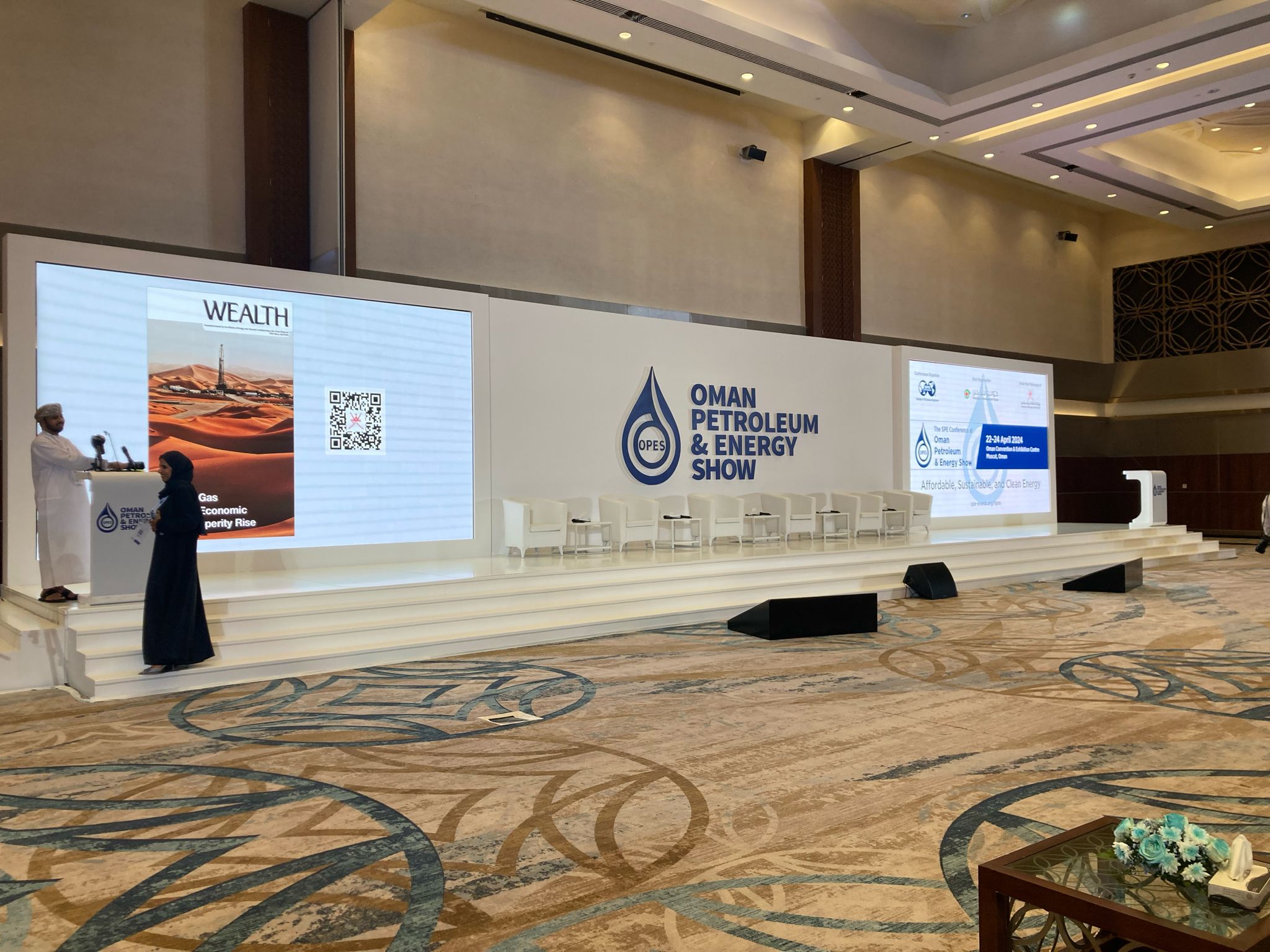
There are still barriers to a full hydrogen value chain and economy taking off, delegates said at the Oman Petroleum and Energy Show.
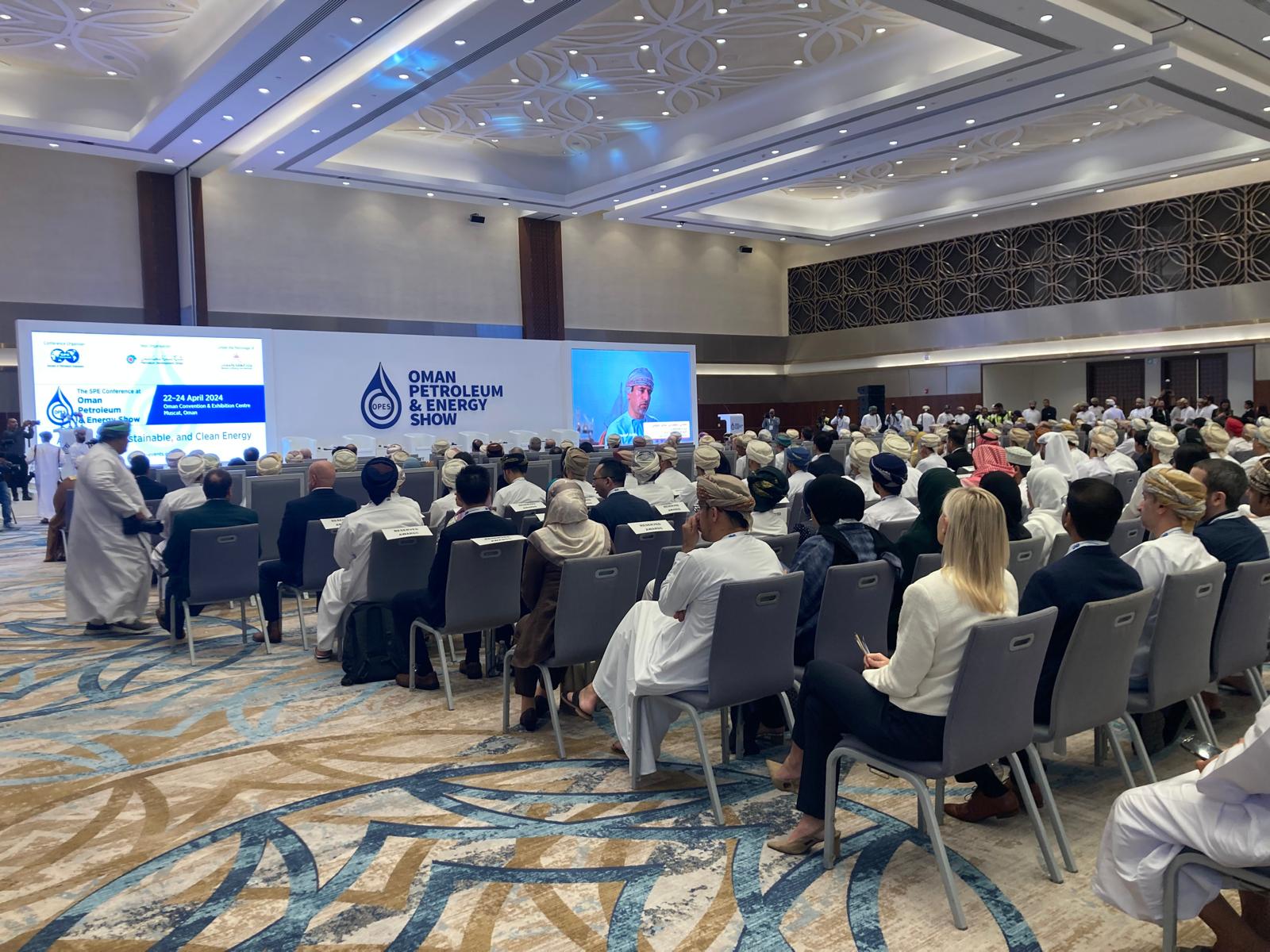
Oman's energy transition will take longer than expected, a government official said on the opening day of the Oman Petroleum and Energy Show.
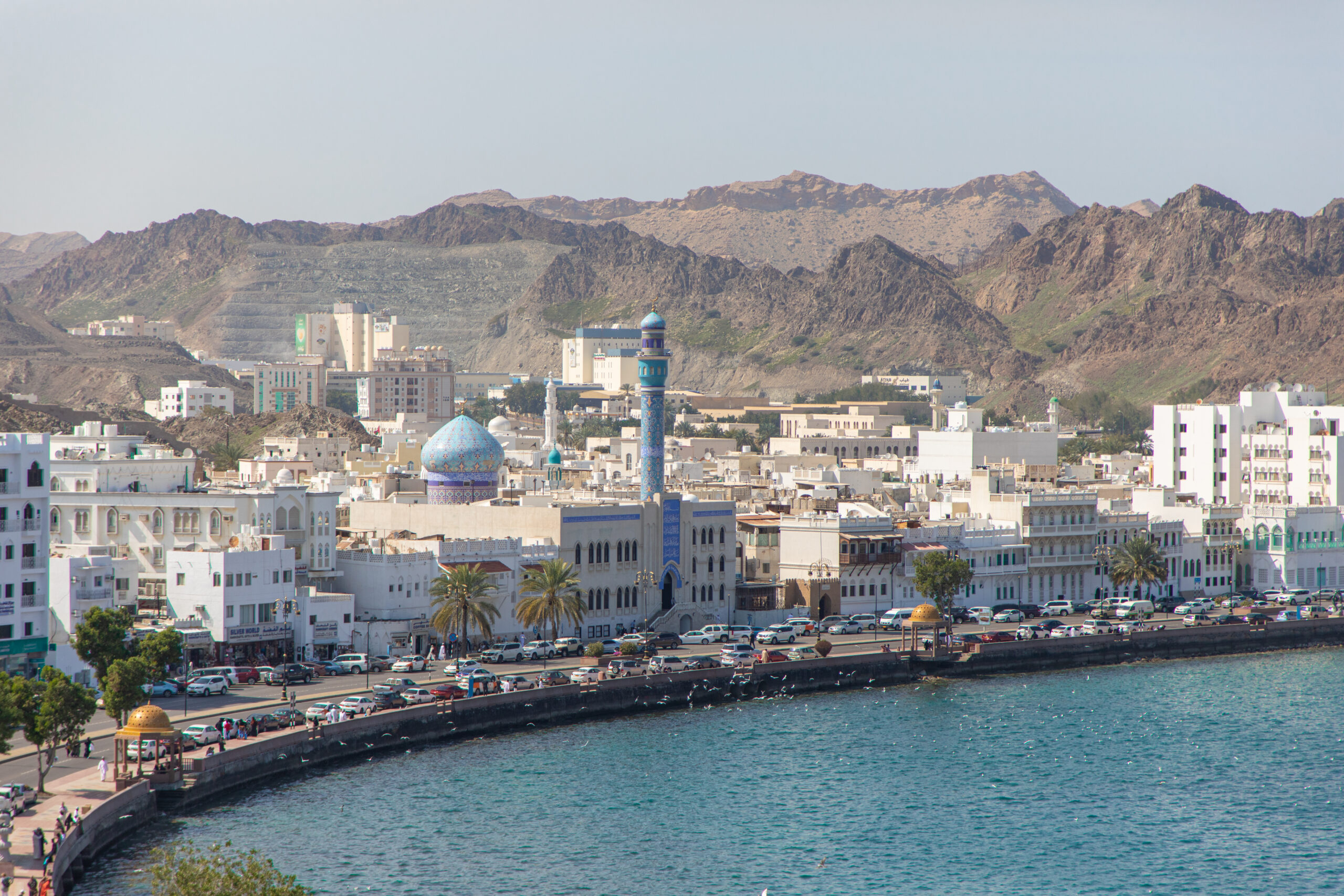
The Oman Petroleum & Energy Show opens later this month against a backdrop of shifting allegiances in the LNG sector, with Persian Gulf State oil giants eyeing the global stage.
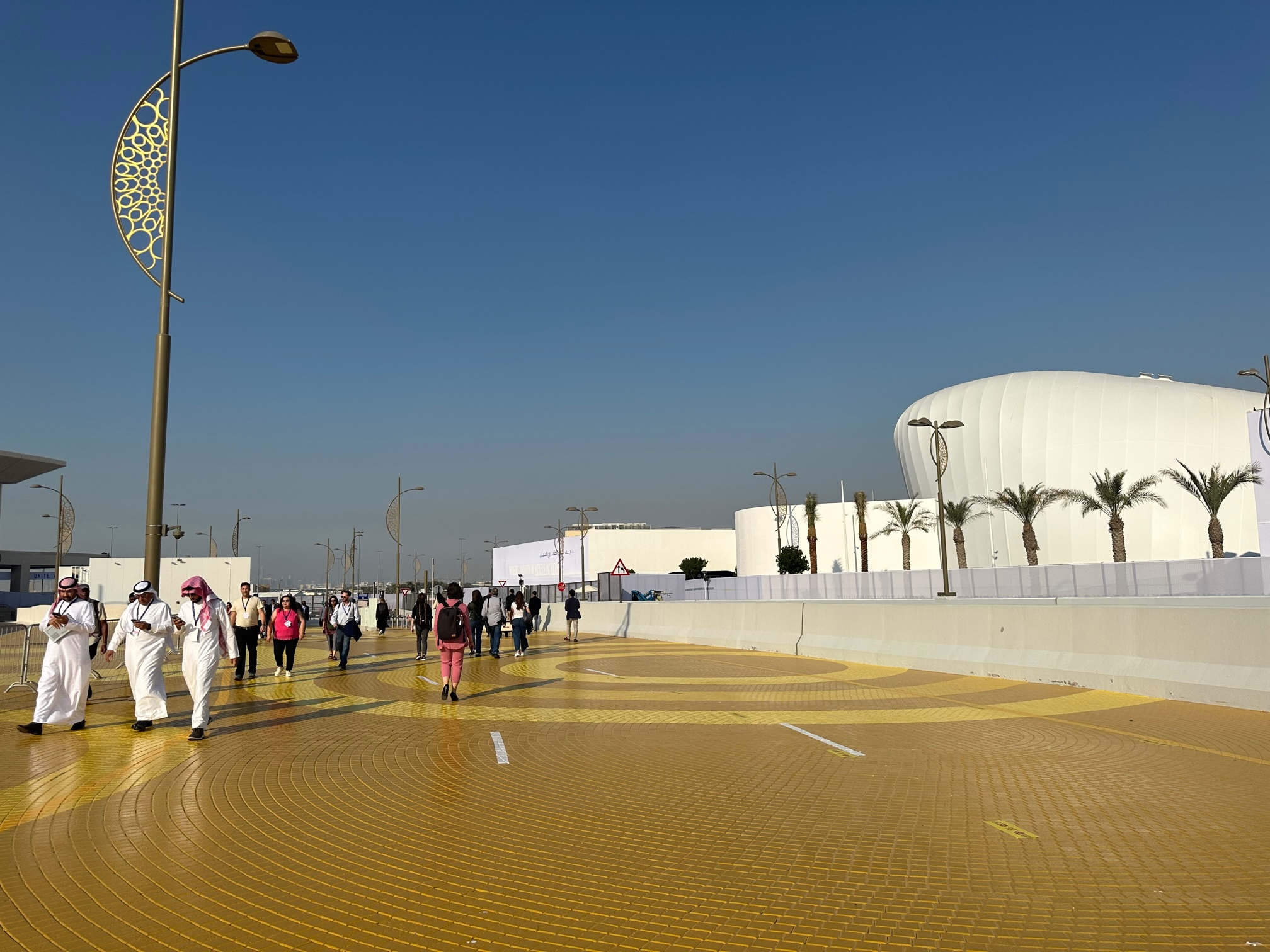
When delegates gathered in Dubai just a fortnight ago for the opening of COP28, the chances of progress seemed slim, but these oil state climate talks delivered a transition away from fossil fuels that no previous COP managed to achieve.
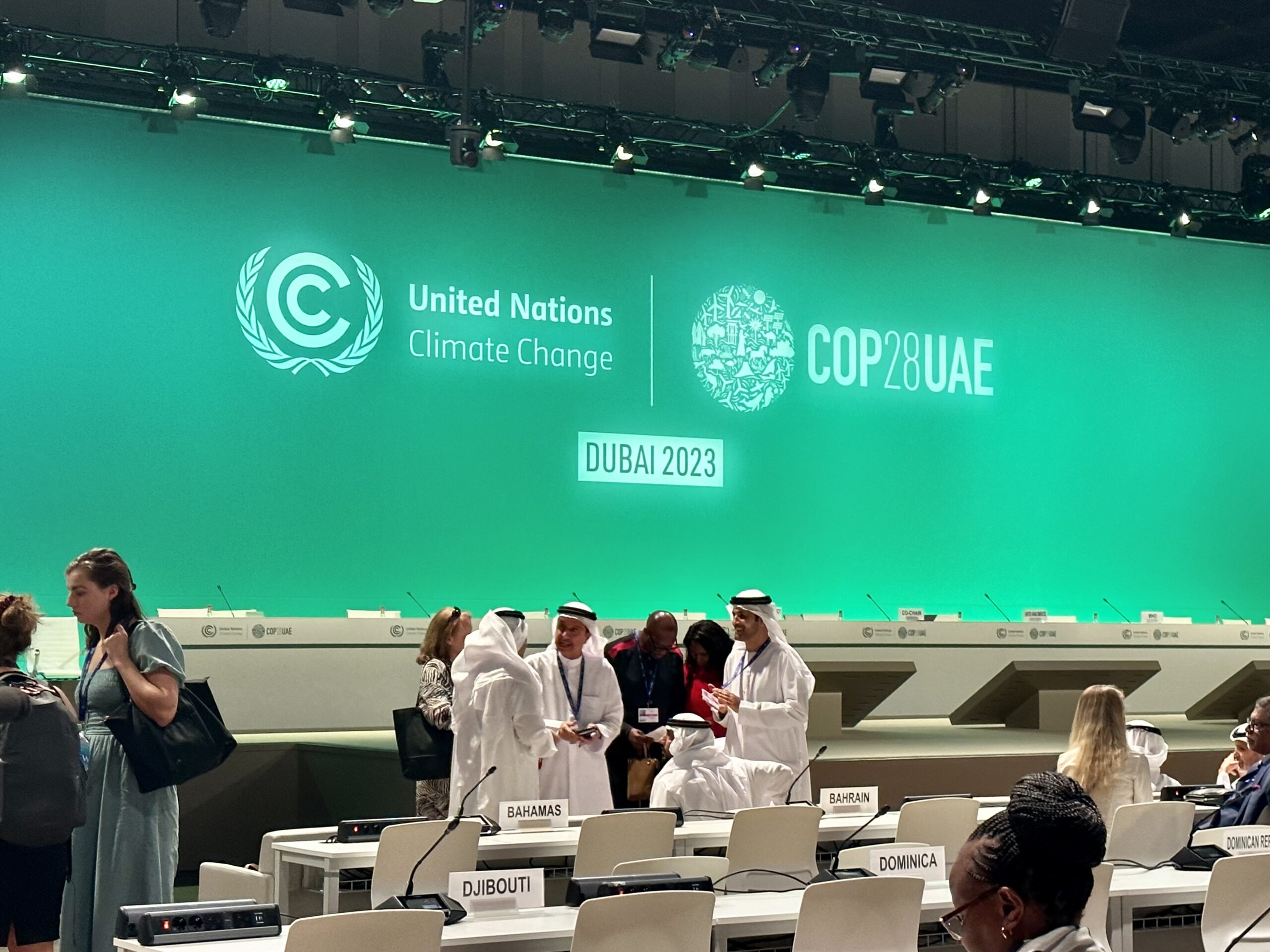
Saudi Arabia remains a thorn in the side of COP28. Only one solution remains – that the Gulf petrostate host its own COP, and face up to global scrutiny as the United Arab Emirates has done.
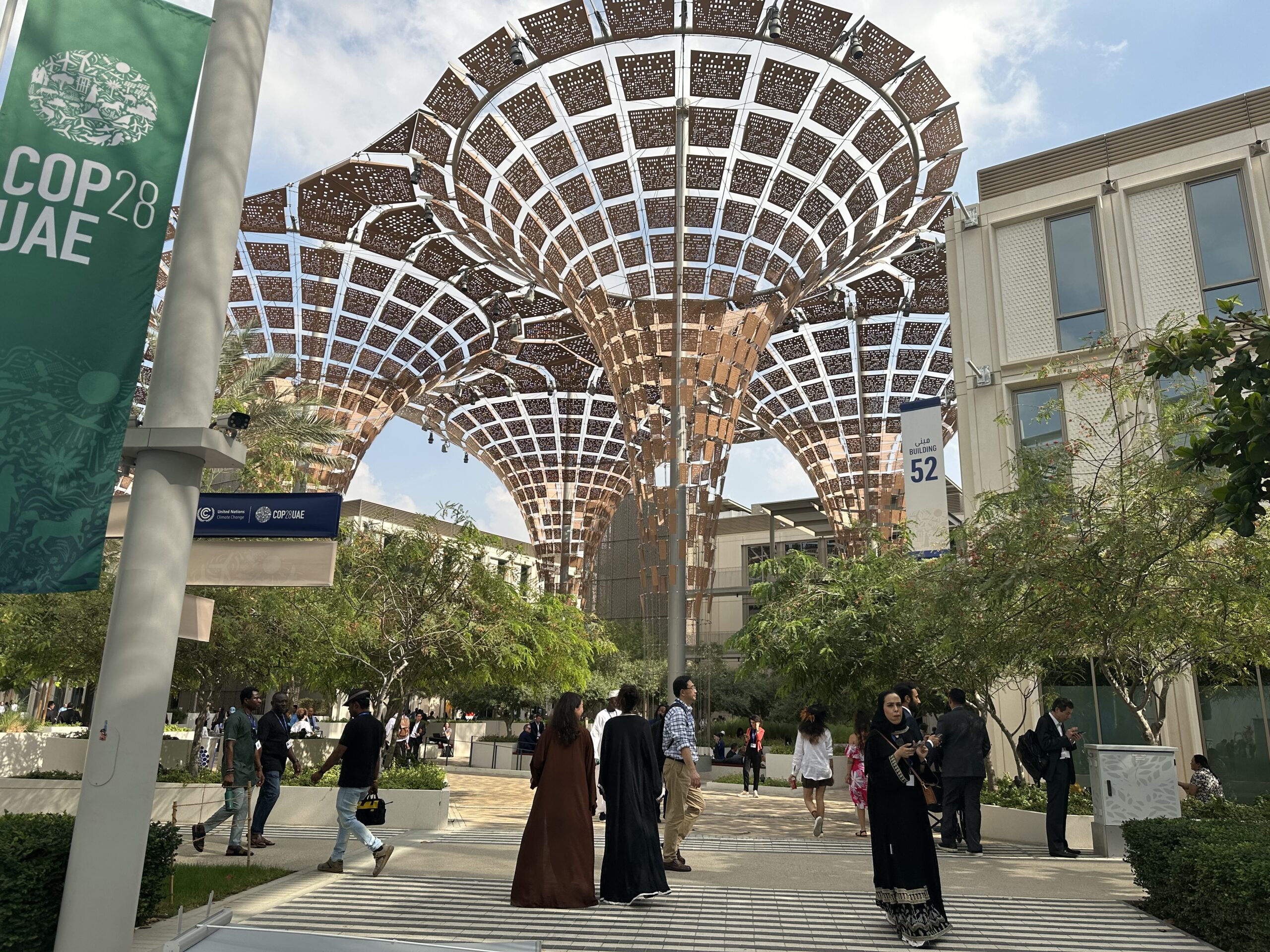
It is less than a week since COP28, the largest ever U.N climate summit, began in the oil kingdom city of Dubai, but drama is already at a peak after Sultan Al Jaber questioned the science behind phasing out fossil fuels.