

US & Canada
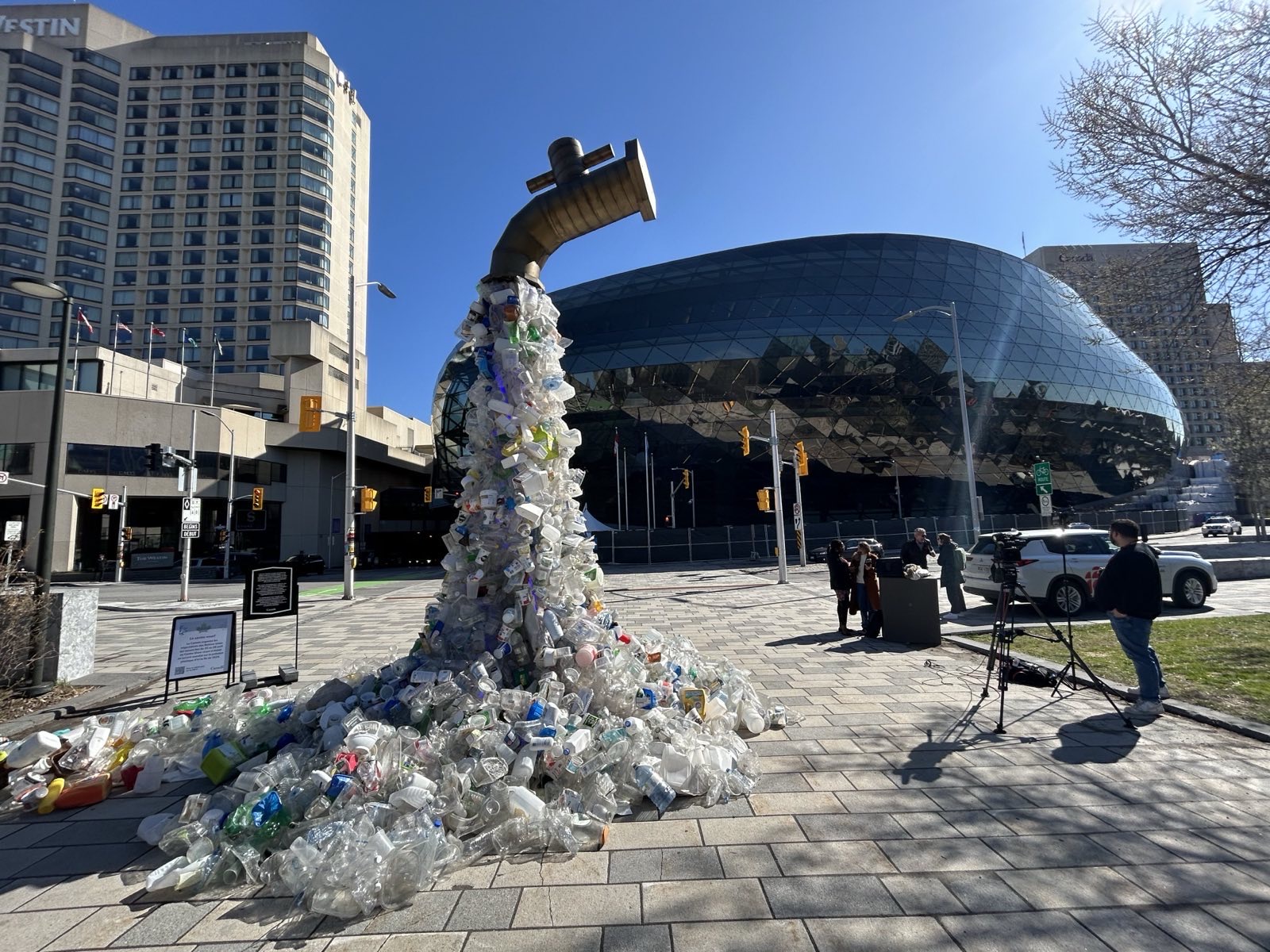
Plastics and petrochemical producers are vehemently opposed to limits on plastics production. They are working overtime in Ottawa this week to weaken the treaty, civil society groups warn.
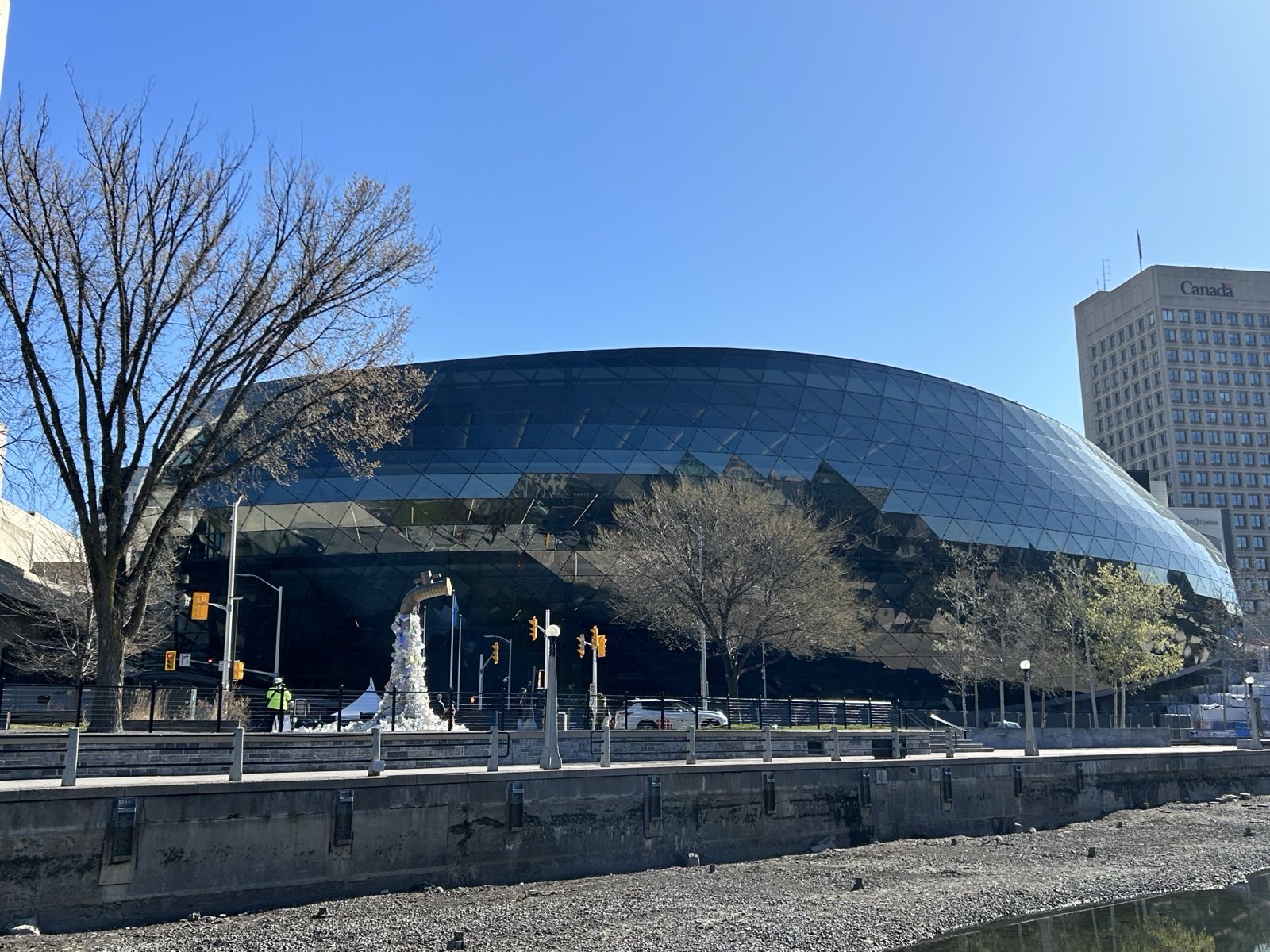
As the 4th round of talks get underway this week in Ottowa, scientists, campaigners, and a coalition of countries are calling for substantive progress on a global plastics treaty that would place restrictions on production. Plastics and petrochemical producers are trying to prevent that outcome.
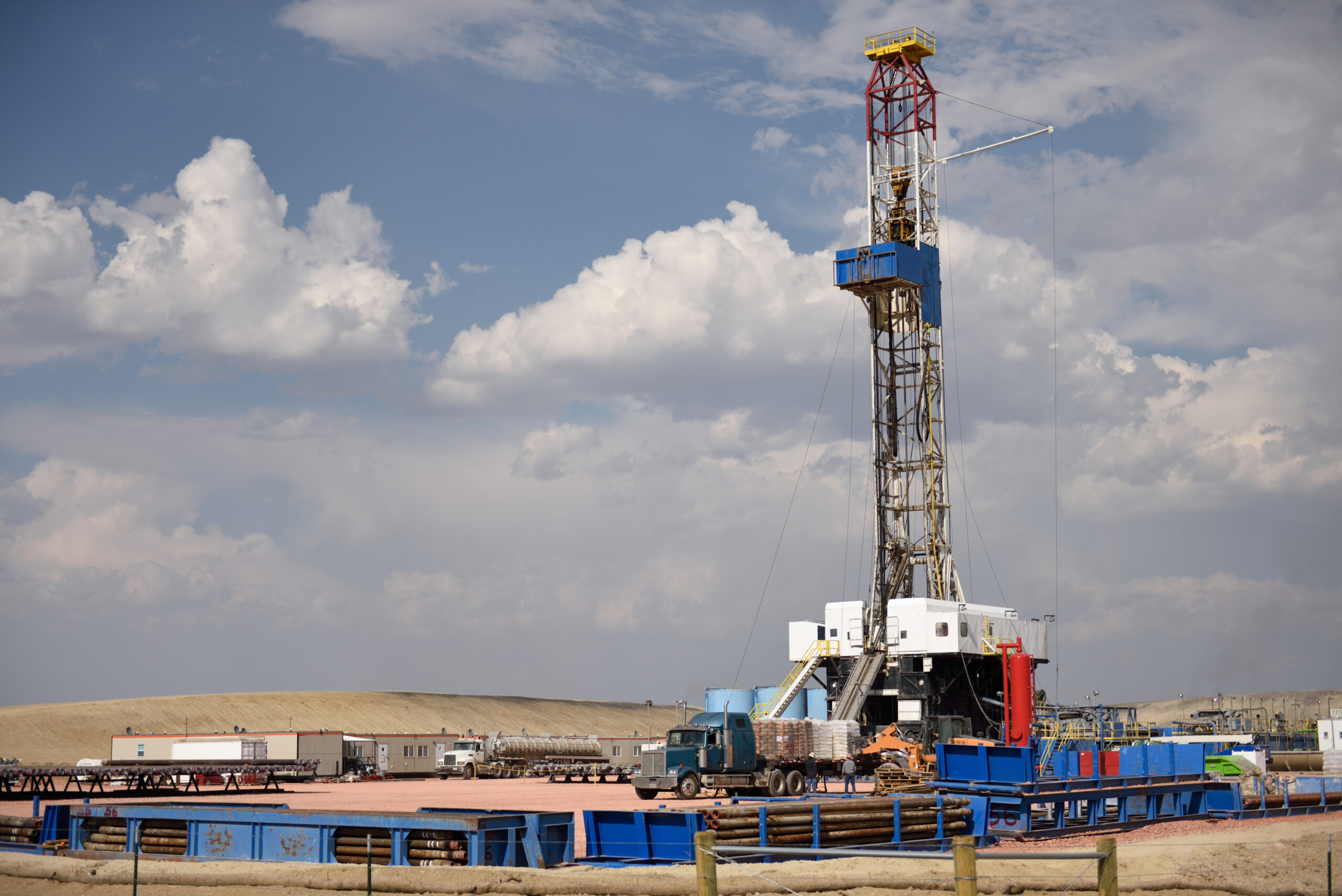
U.S. gas prices have crashed as a result of an unusually warm winter. Government data expects conditions of oversupply to continue through next year.
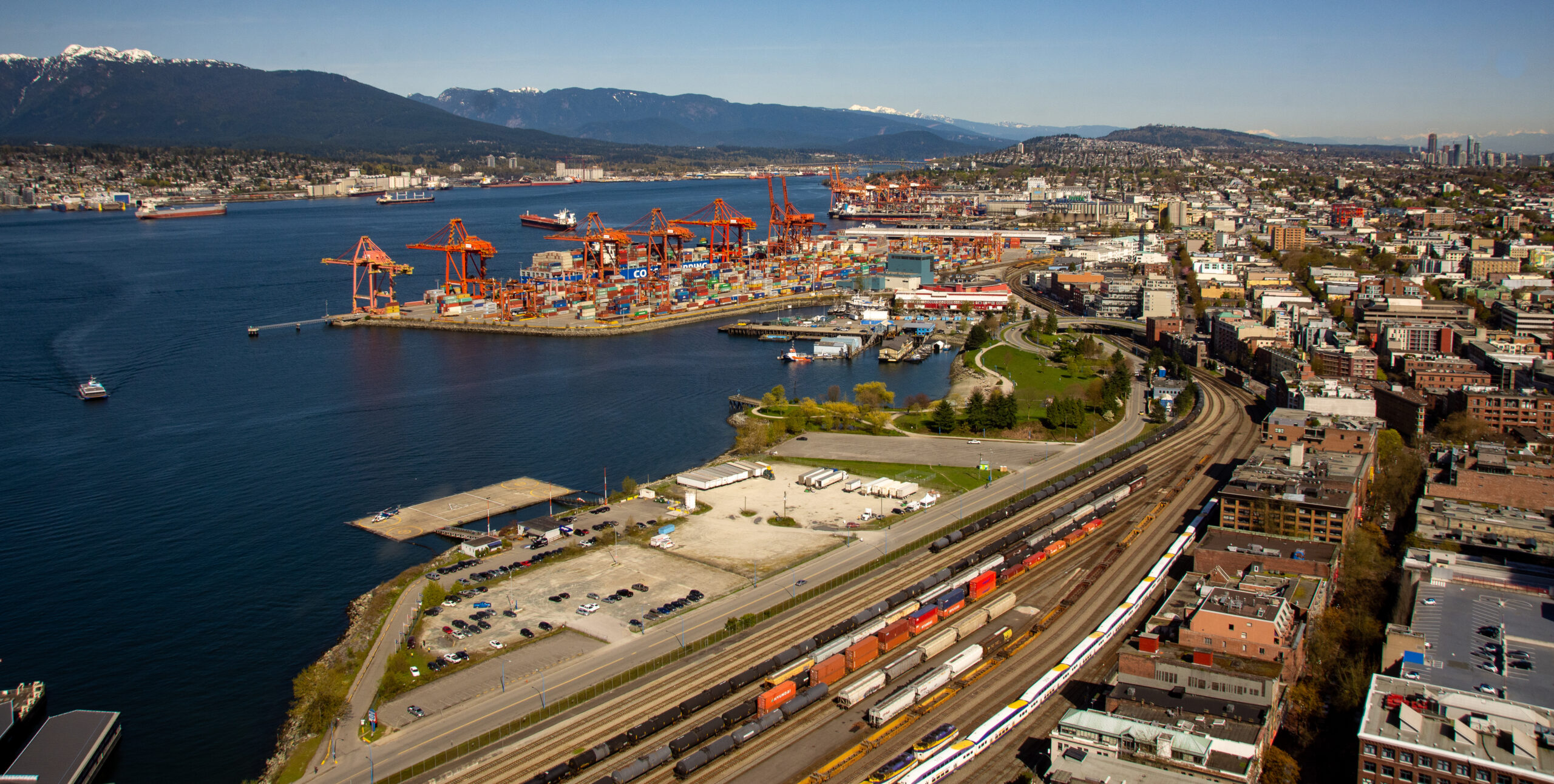
A major buildout of LNG export terminals on Canada’s Pacific Coast rests on assumptions of long-term demand growth in Asia. But those forecasts are highly uncertain, two different reports warn.
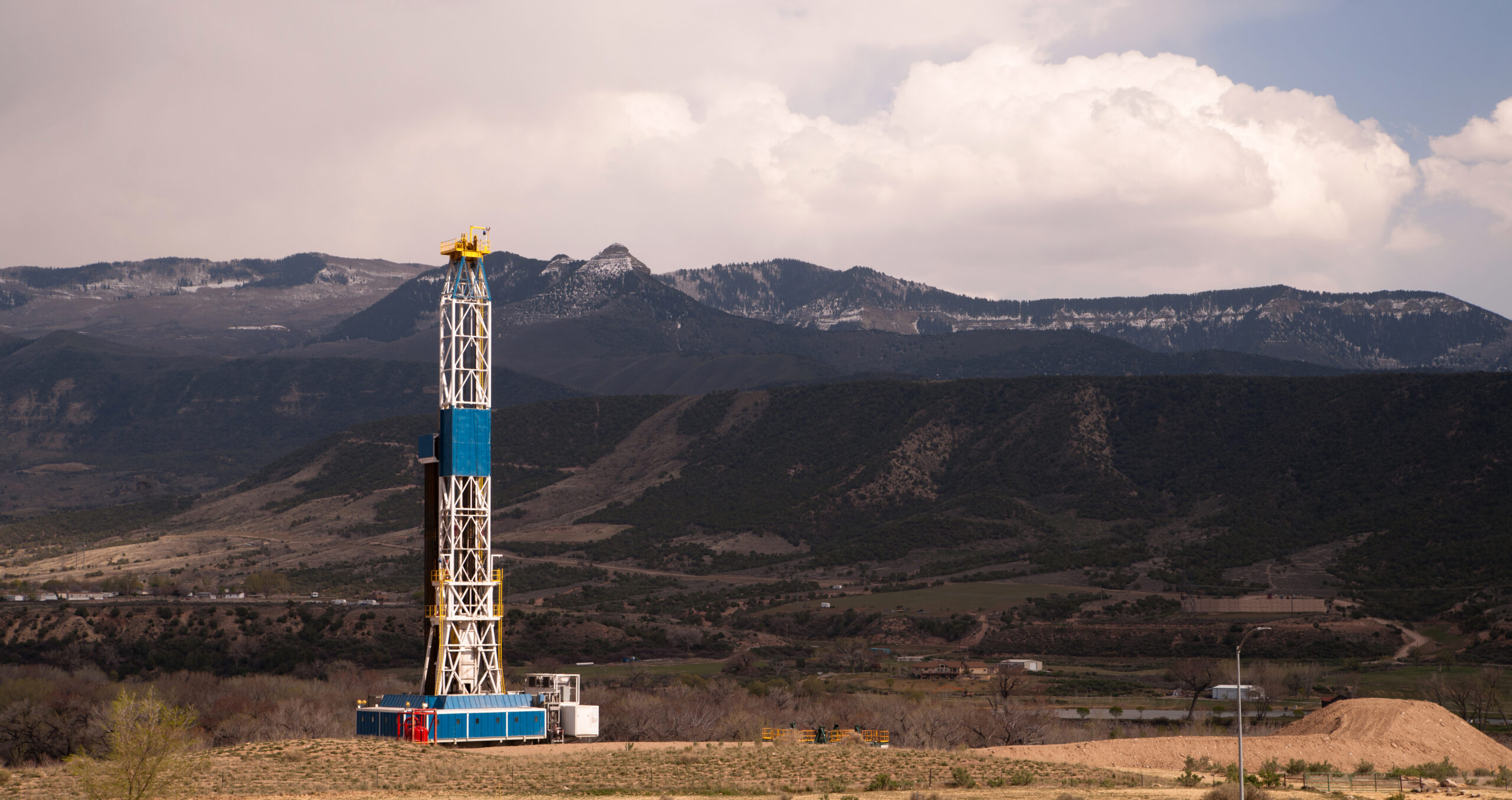
A recently filed lawsuit alleges that a Colorado firm loaded up its clean-up liabilities onto another shell company that was designed to fail, saddling landowners and taxpayers with old polluting oil and gas wells.
Analysts say that potential investments from Saudi Aramco and ADNOC in U.S. LNG could propel projects forward. Meanwhile, in Houston, gas executives voiced confidence in the trajectory of their industry at CERAWeek.
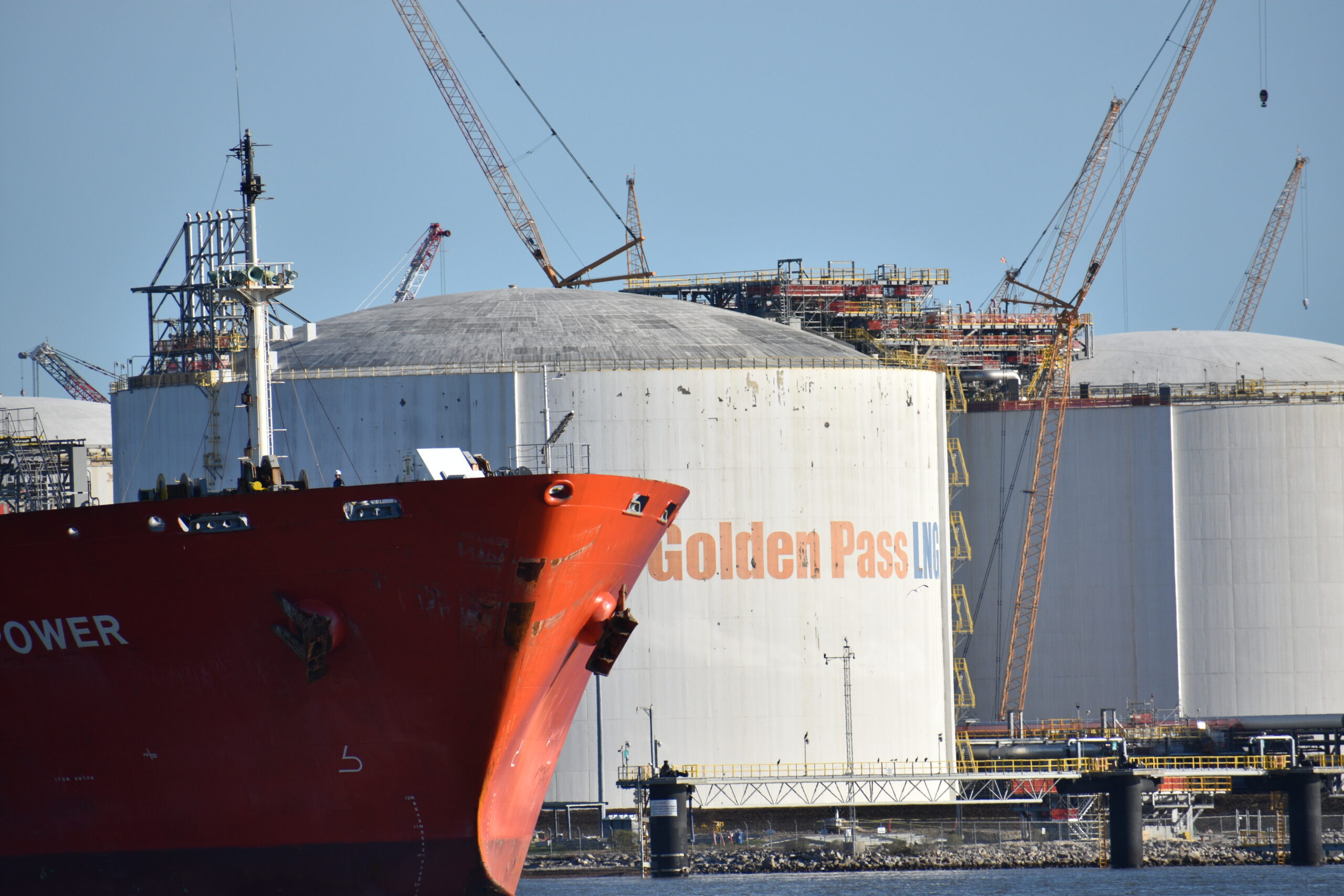
Researchers recorded nearly 1 million measurements across major U.S. oil and gas production sites, and found methane emissions far higher than U.S. EPA data suggests.
The ExxonMobil lawsuit represents a first of its kind but is happening against the backdrop of a wider pushback against climate activism by energy companies.
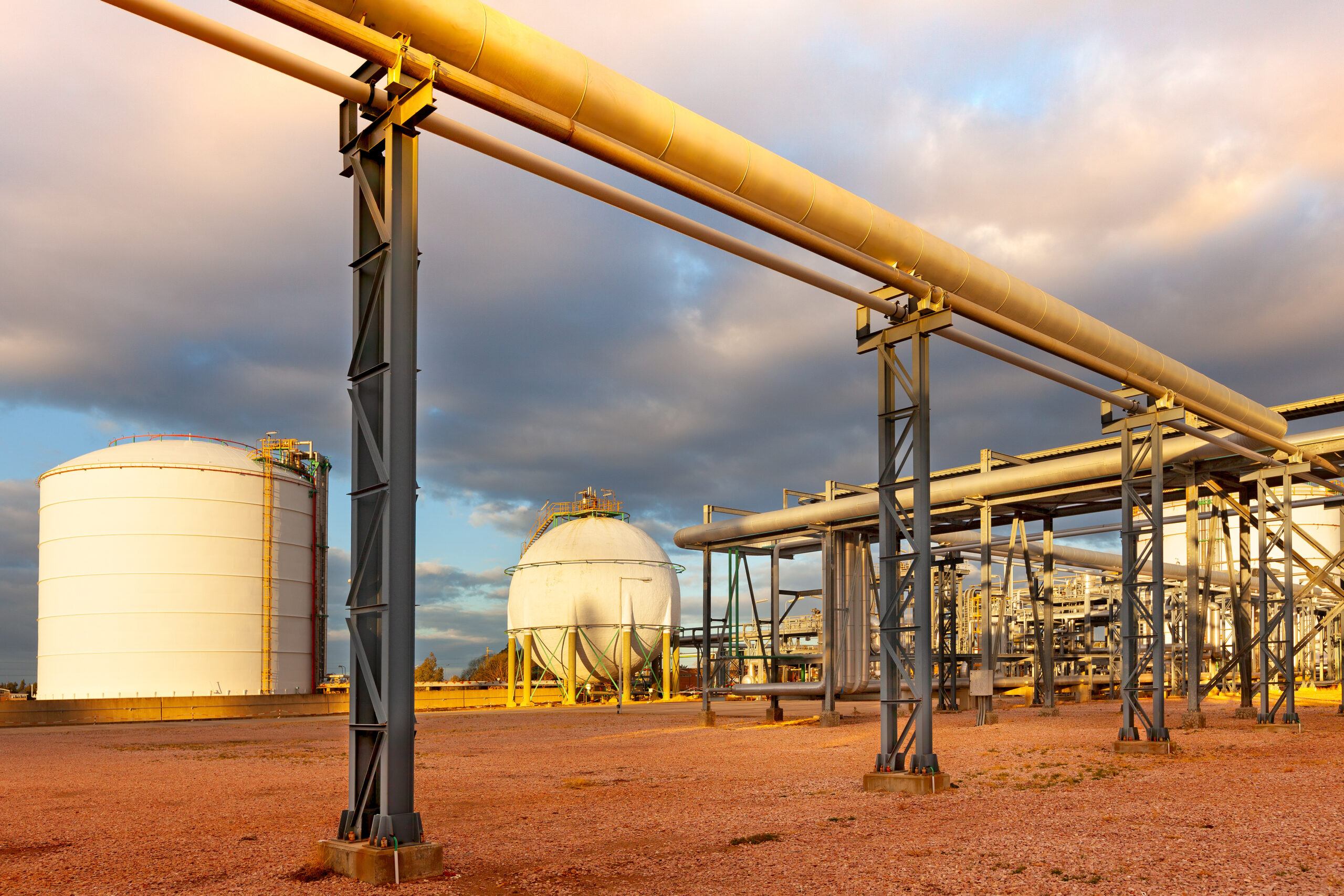
U.S. gas prices plunged below $2/MMBtu this winter, largely because of warm weather. Gas companies unable to turn a profit are slashing drilling plans.
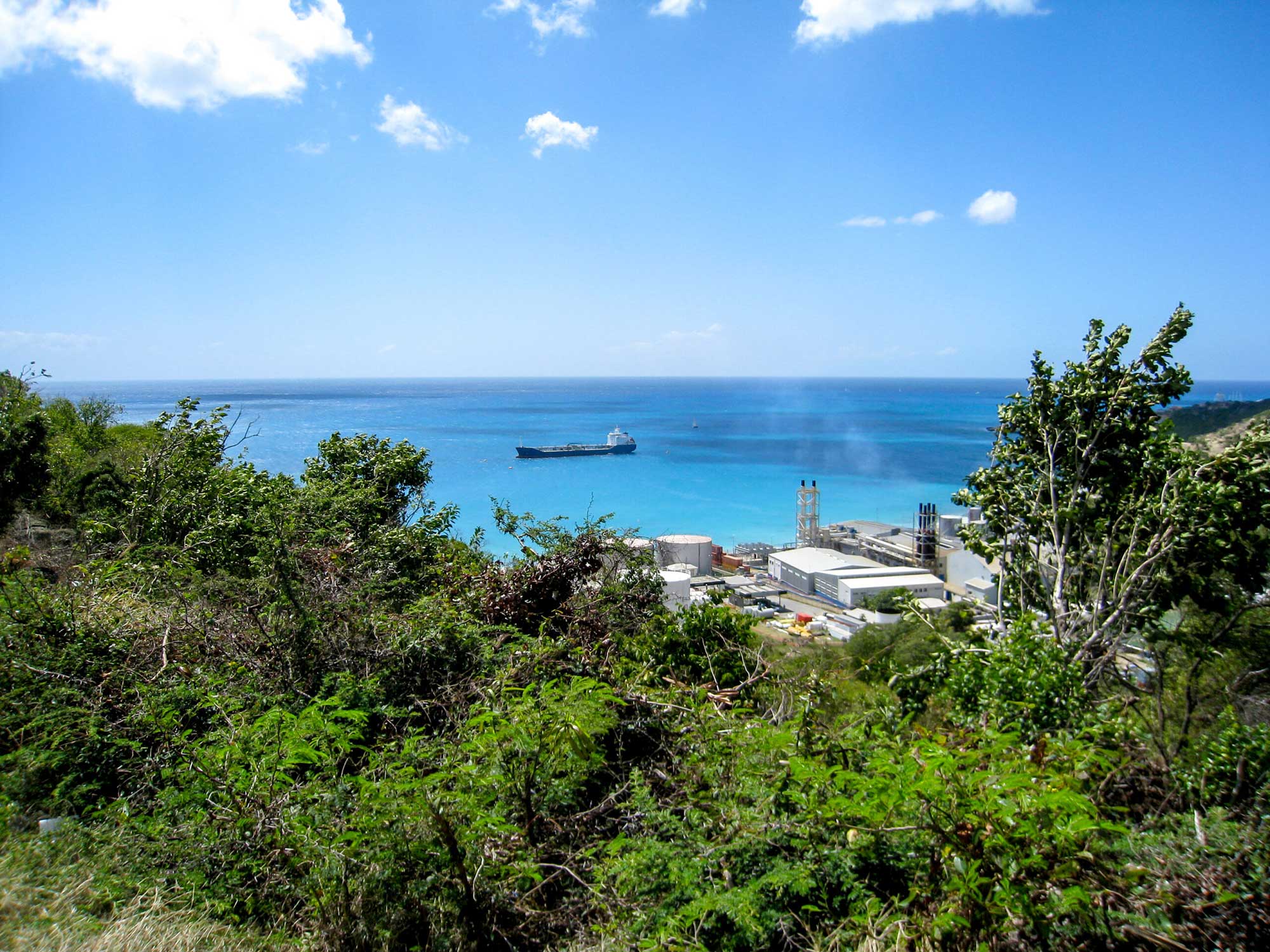
Venezuela is poised to lock in oil and gas supply to Caribbean neighbours in spite of a flare-up in tensions with the United States, which is threatening to restore crippling sanctions on Caracas.
The climate disclosure requirements are far weaker than originally outlined by the financial regulator two years ago.
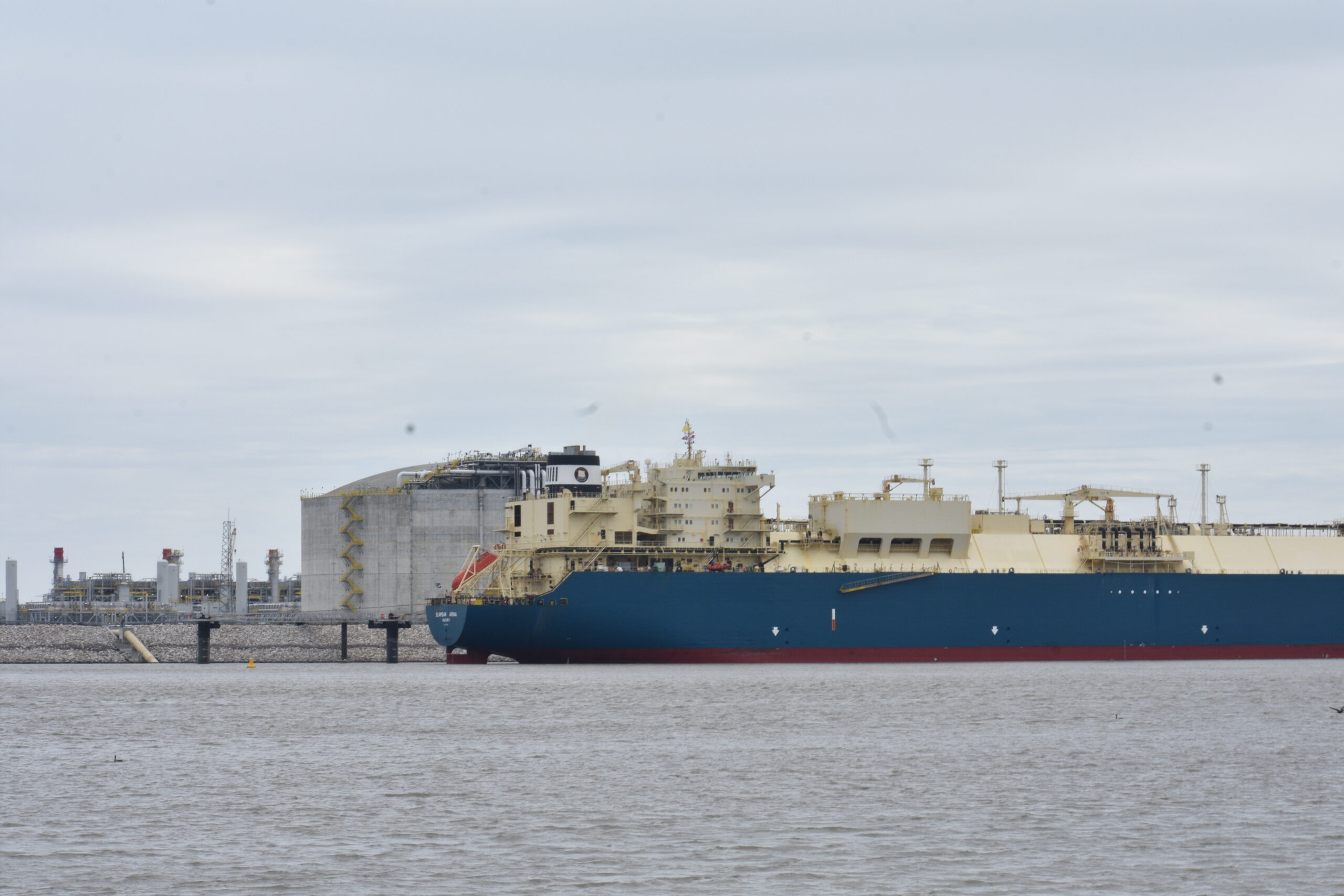
According to The New York Times, the Biden administration is set to announce a major review of how it permits new U.S. LNG projects, potentially delaying more than a dozen proposed facilities for a year or more.
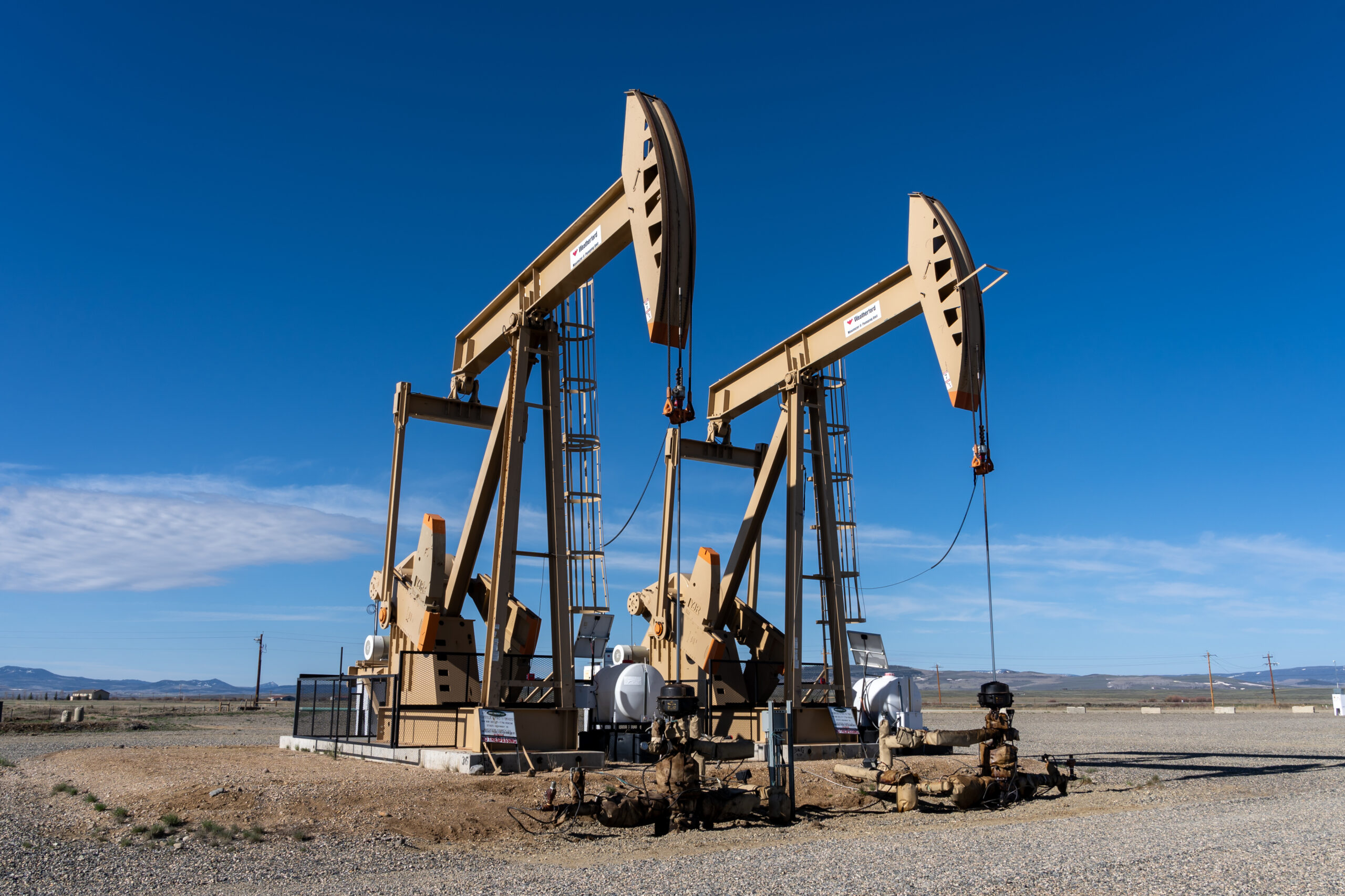
The highly-anticipated policy will charge drillers for excess methane emissions.
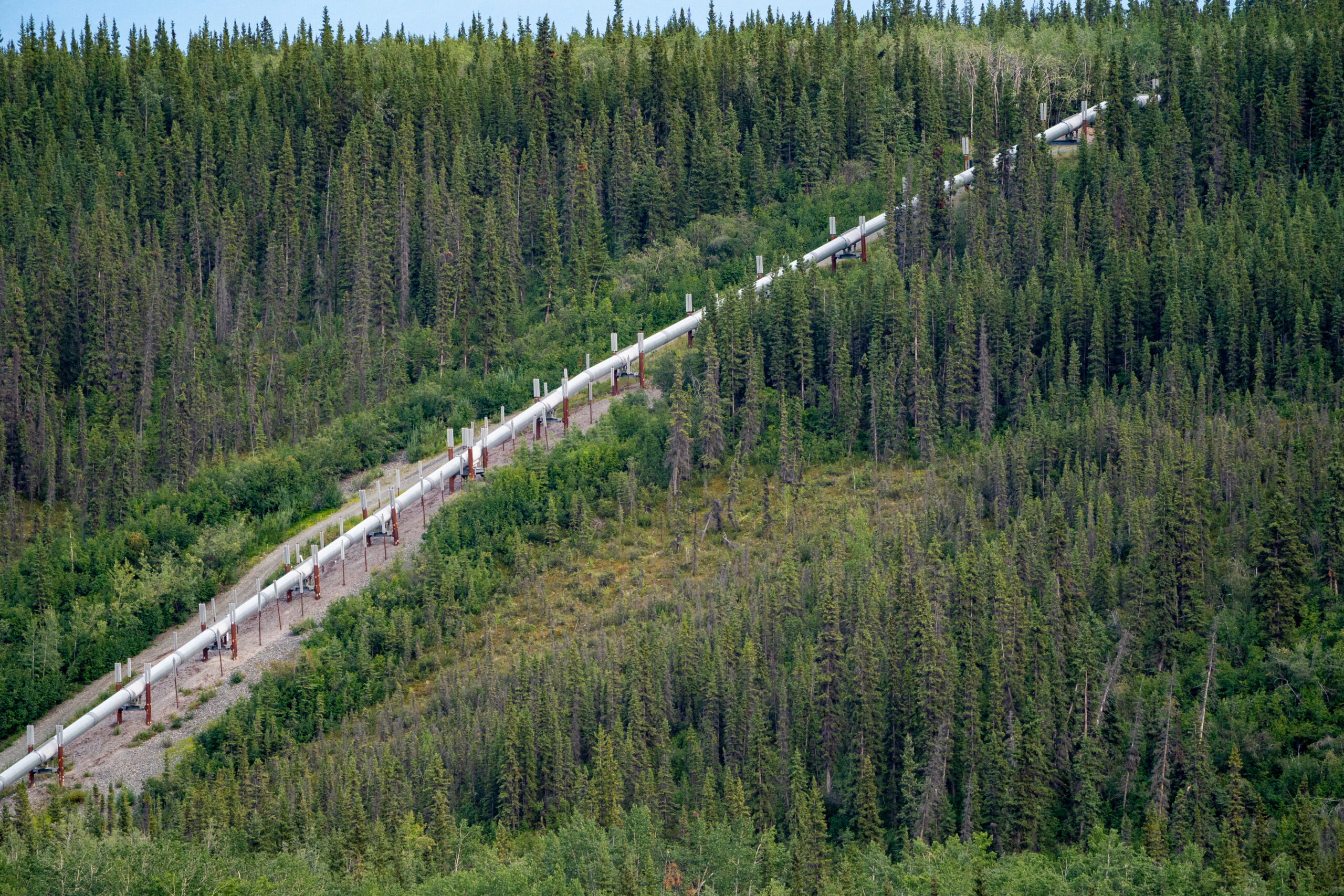
Constrained by a court decision, the Biden administration said it would auction off land for new oil and gas drilling. But climate activists see the move as backtracking on climate progress
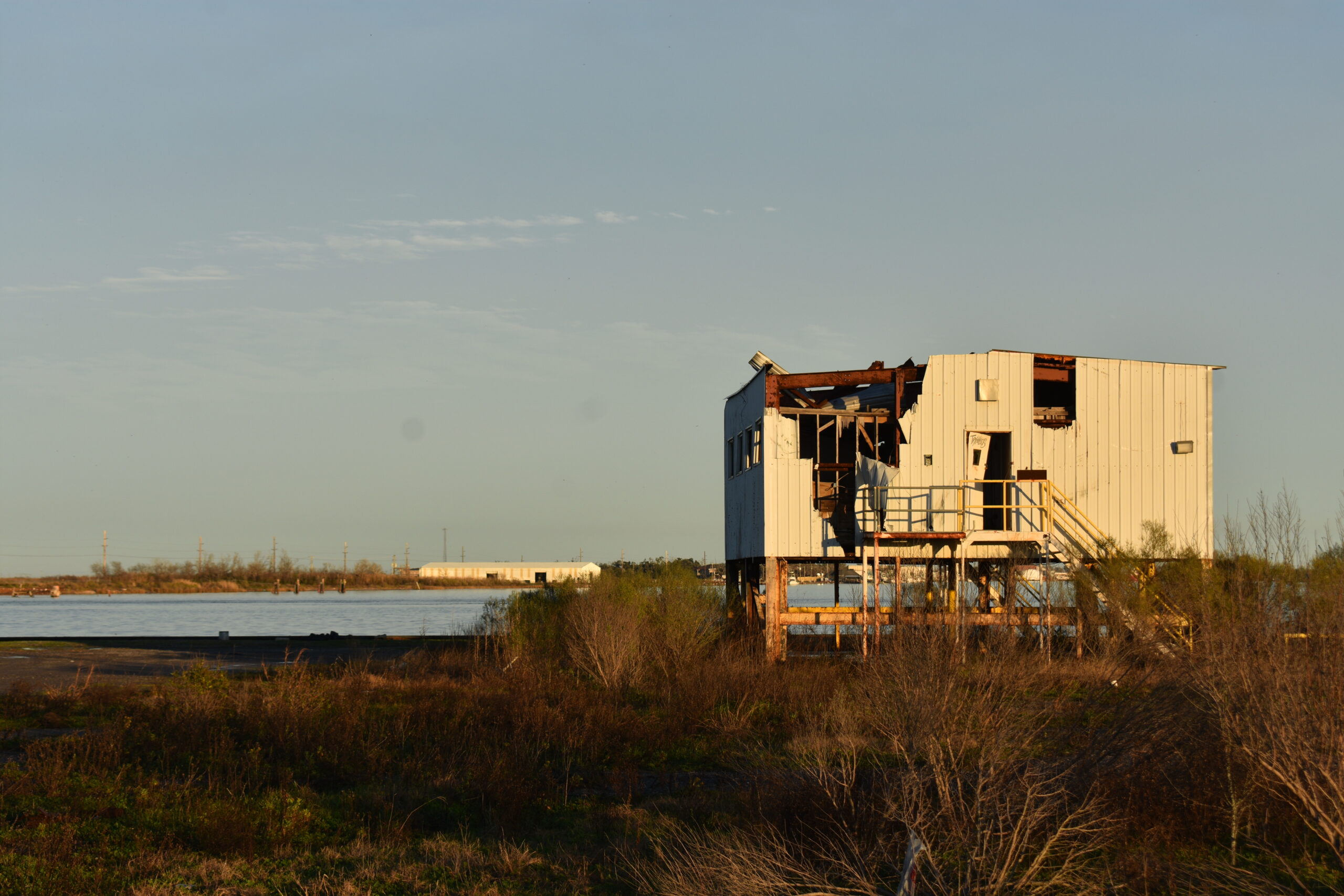
Already scarred by climate change, southwest Louisiana is on the frontlines of the rush to build new LNG.
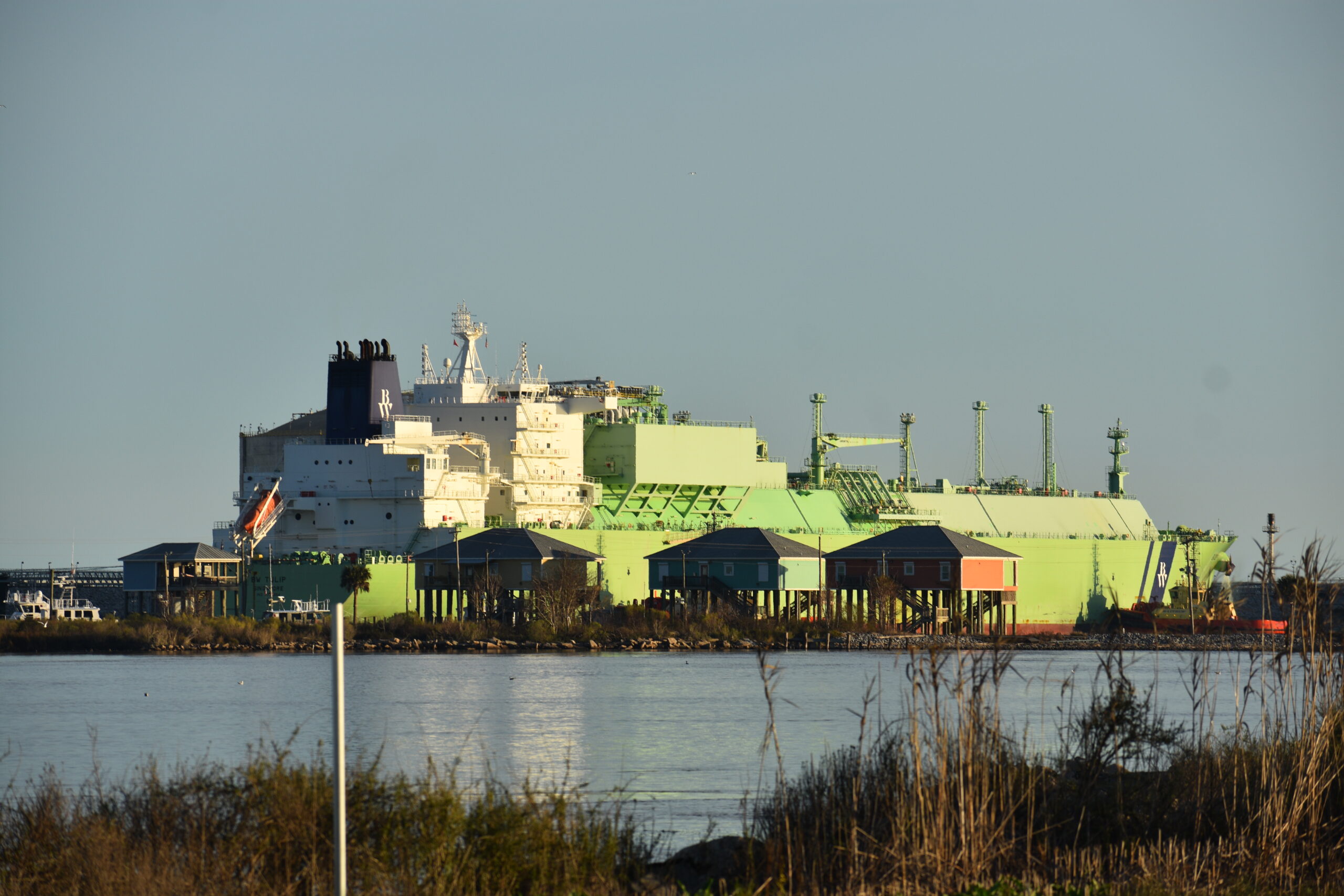
Commercial fishing in southwest Louisiana is already facing hard times. But the rush to build Louisiana LNG export terminals may put an end to a once-vibrant industry.
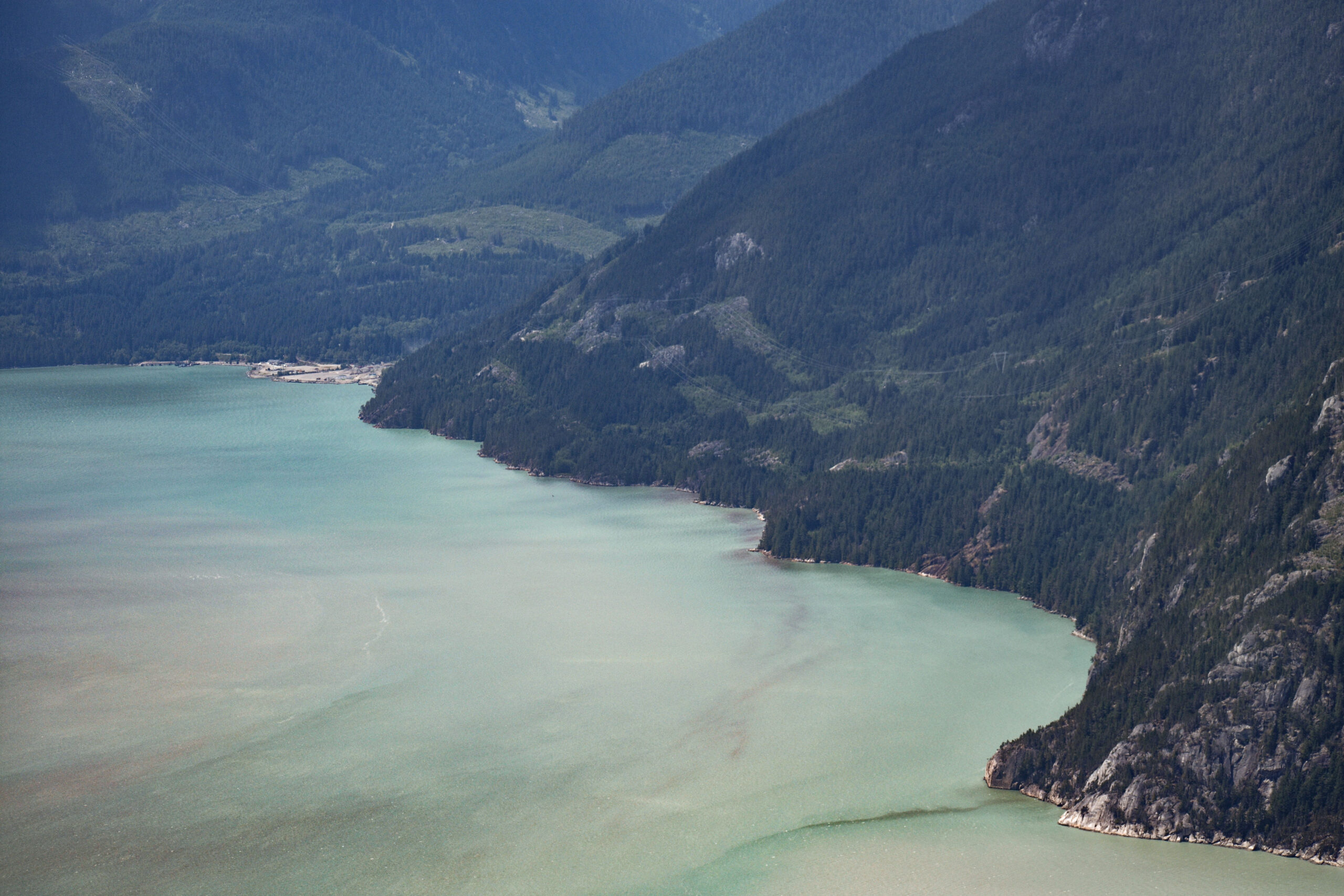
The proposed Woodfibre LNG project has seen costs soar, and is not competitive with larger LNG projects on the U.S. Gulf Coast, despite generous public subsidies. Critics say it will not offer the economic benefit for which British Columbia is hoping.

The scenic Howe Sound, in British Columbia, has seen a stunning improvement in marine life. But this “success story” is under threat from the proposed Woodfibre LNG project, critics say.
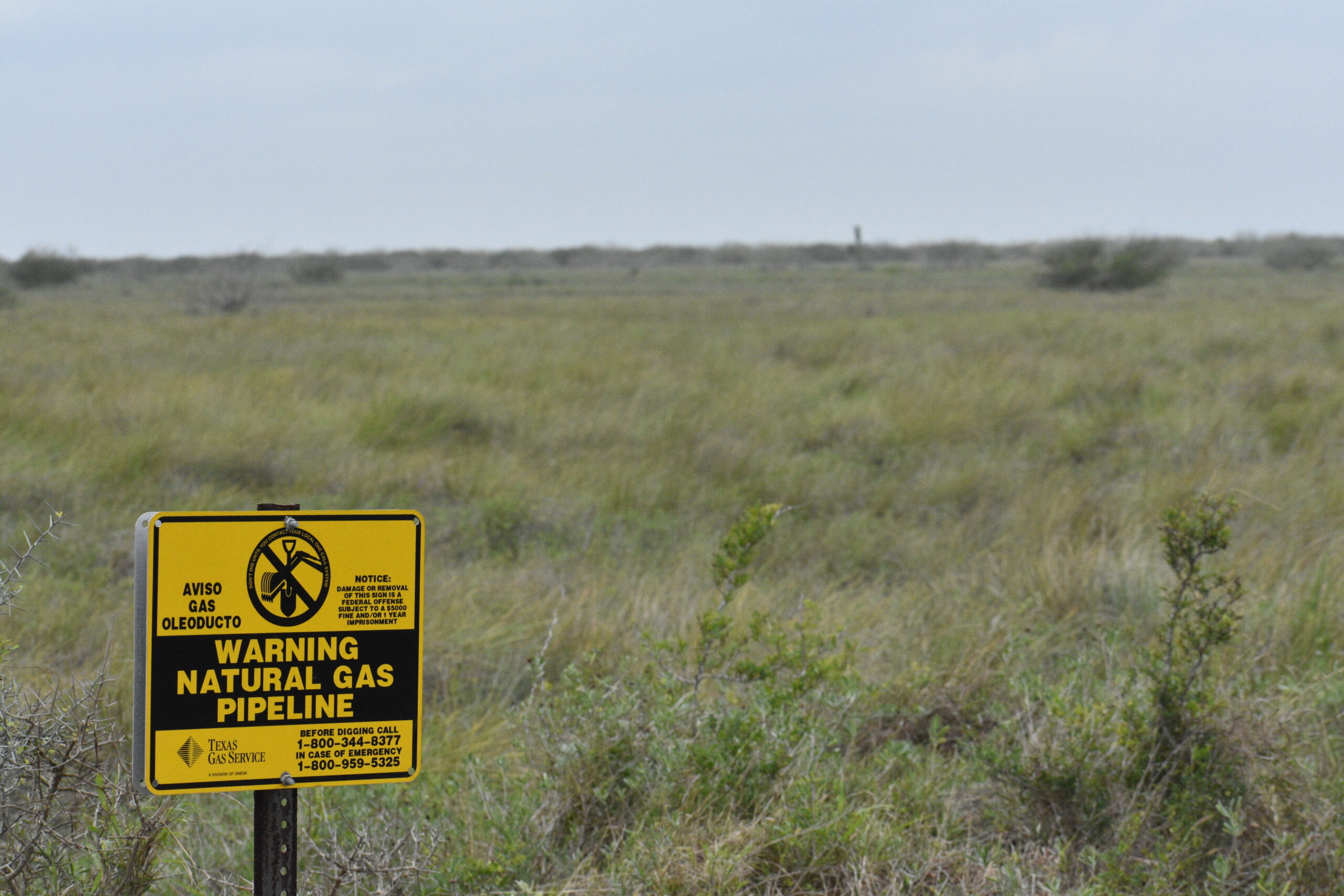
A major Texas LNG project is promising to be the “greenest” LNG project in the world. But critics say it rests on ‘speculative’ and unproven carbon capture and sequestration technologies.
While much of the Texas coast is inundated with oil and gas infrastructure, the southern coast remains largely untouched by heavy industry. That could change with big plans for Texas LNG export terminals.