

Supply and demand

Oman LNG has made headlines in recent weeks with a string of new LNG contracts, but more are still expected, a manager at the firm told Gas Outlook in an exclusive interview.

Japanese utilities are increasingly focused on marketing and reselling LNG overseas, new research shows, creating more competition in the global LNG market.
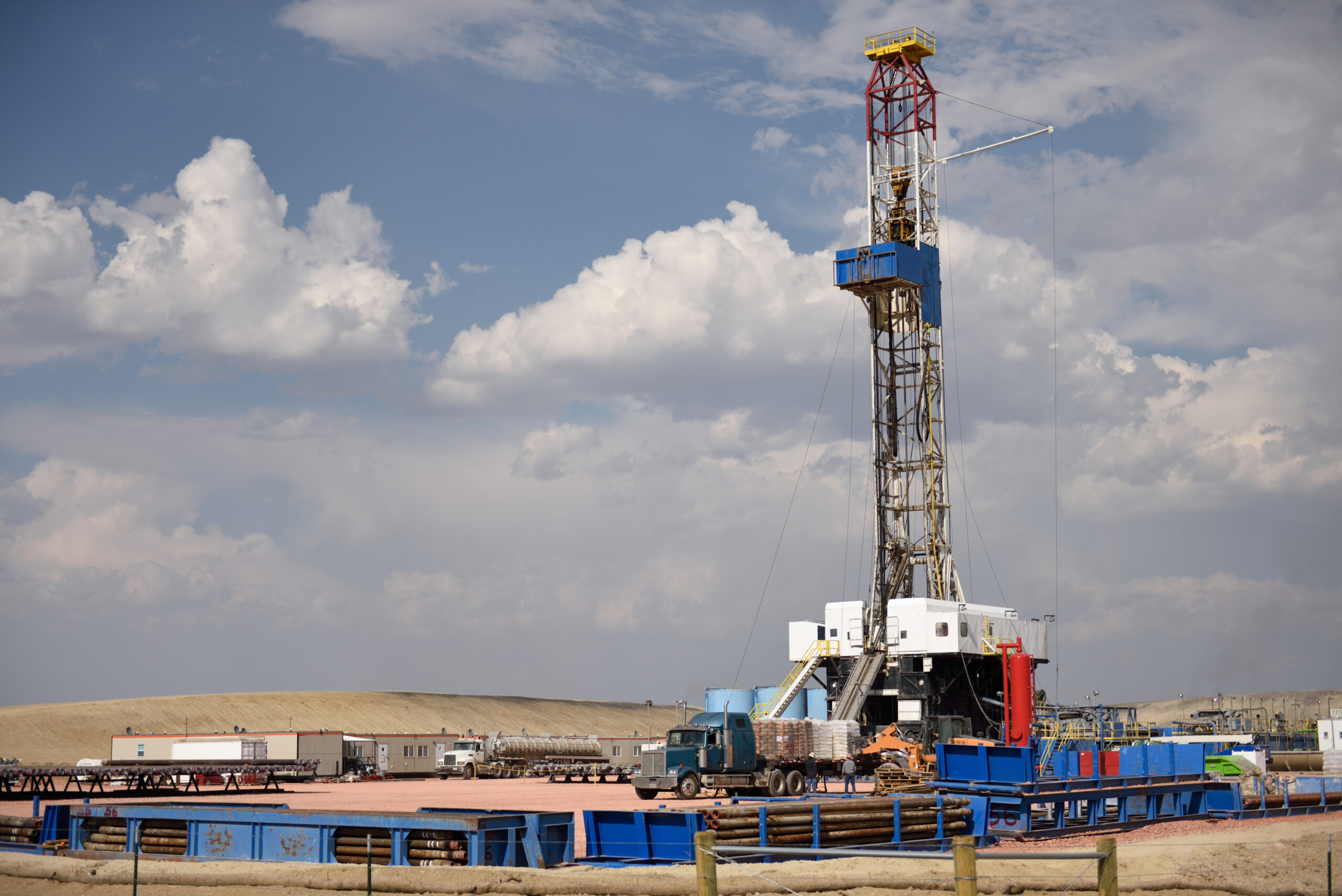
U.S. gas prices have crashed as a result of an unusually warm winter. Government data expects conditions of oversupply to continue through next year.
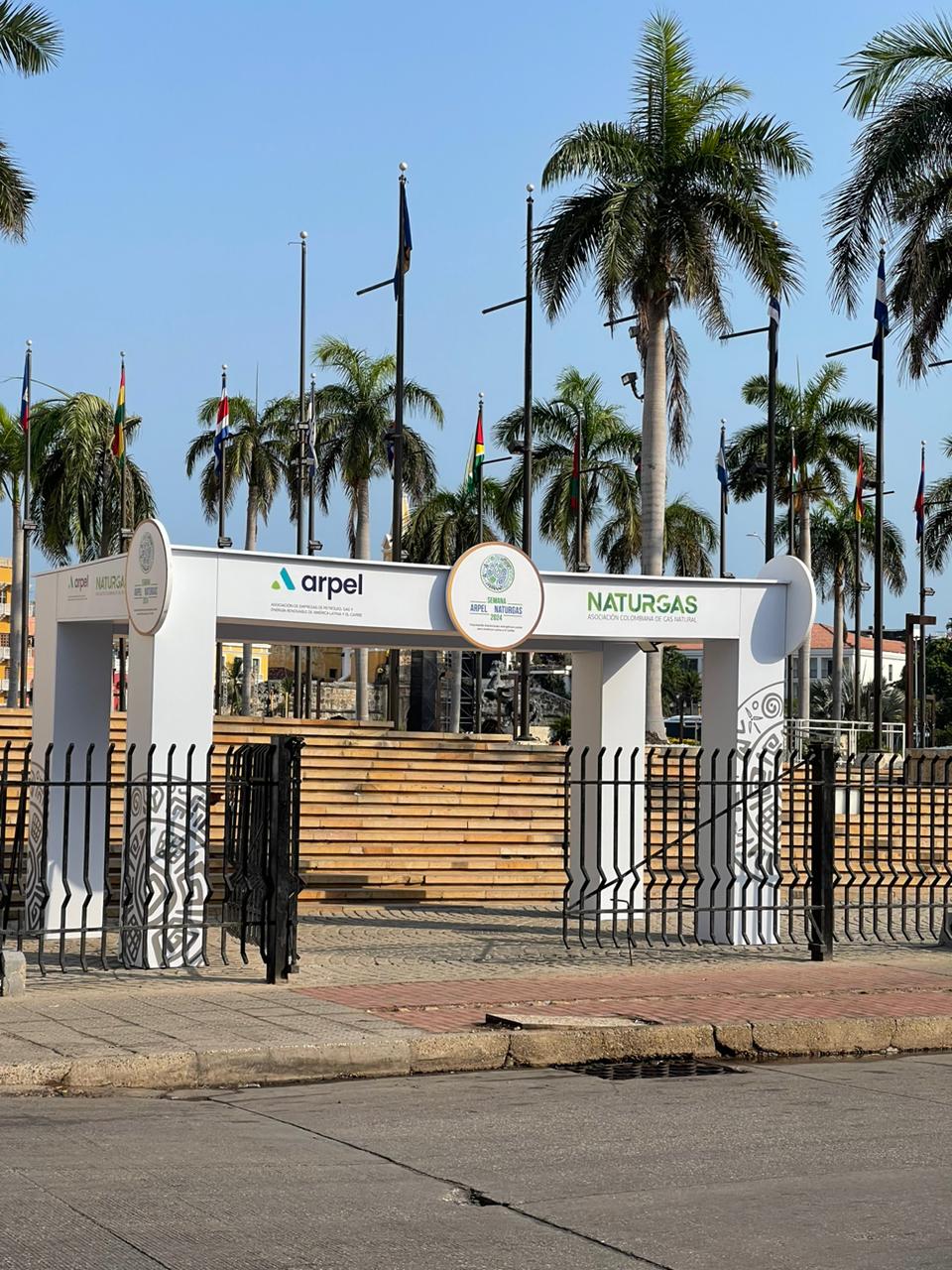
Future imports from Venezuela align with the Colombian government’s strategy, the chief executive of Ecopetrol told conference delegates.
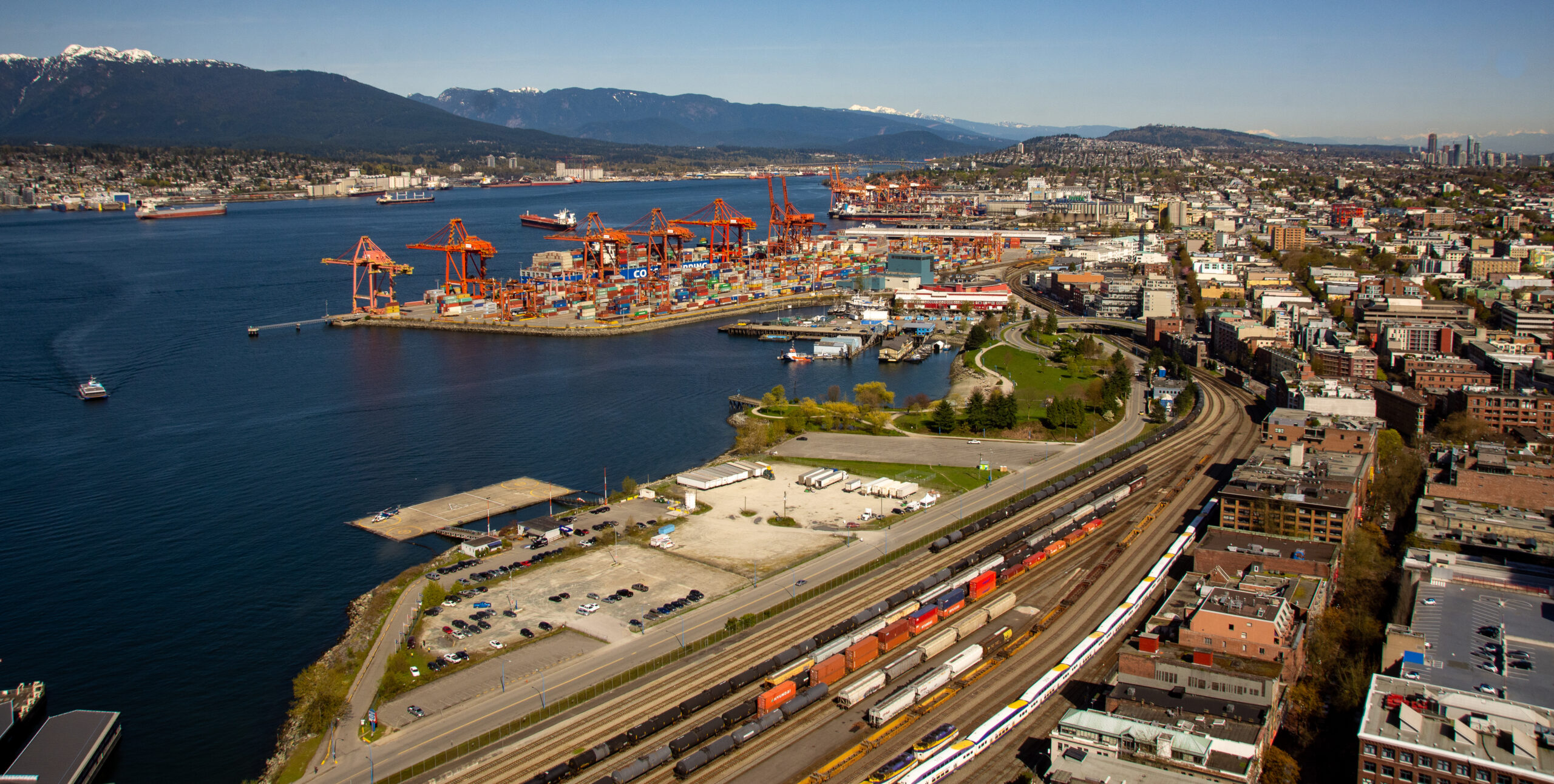
A major buildout of LNG export terminals on Canada’s Pacific Coast rests on assumptions of long-term demand growth in Asia. But those forecasts are highly uncertain, two different reports warn.

Last year the Bangladeshi government already raised gas tariffs for power plants by 178.88% cent to Tk 14 per cubic meter.
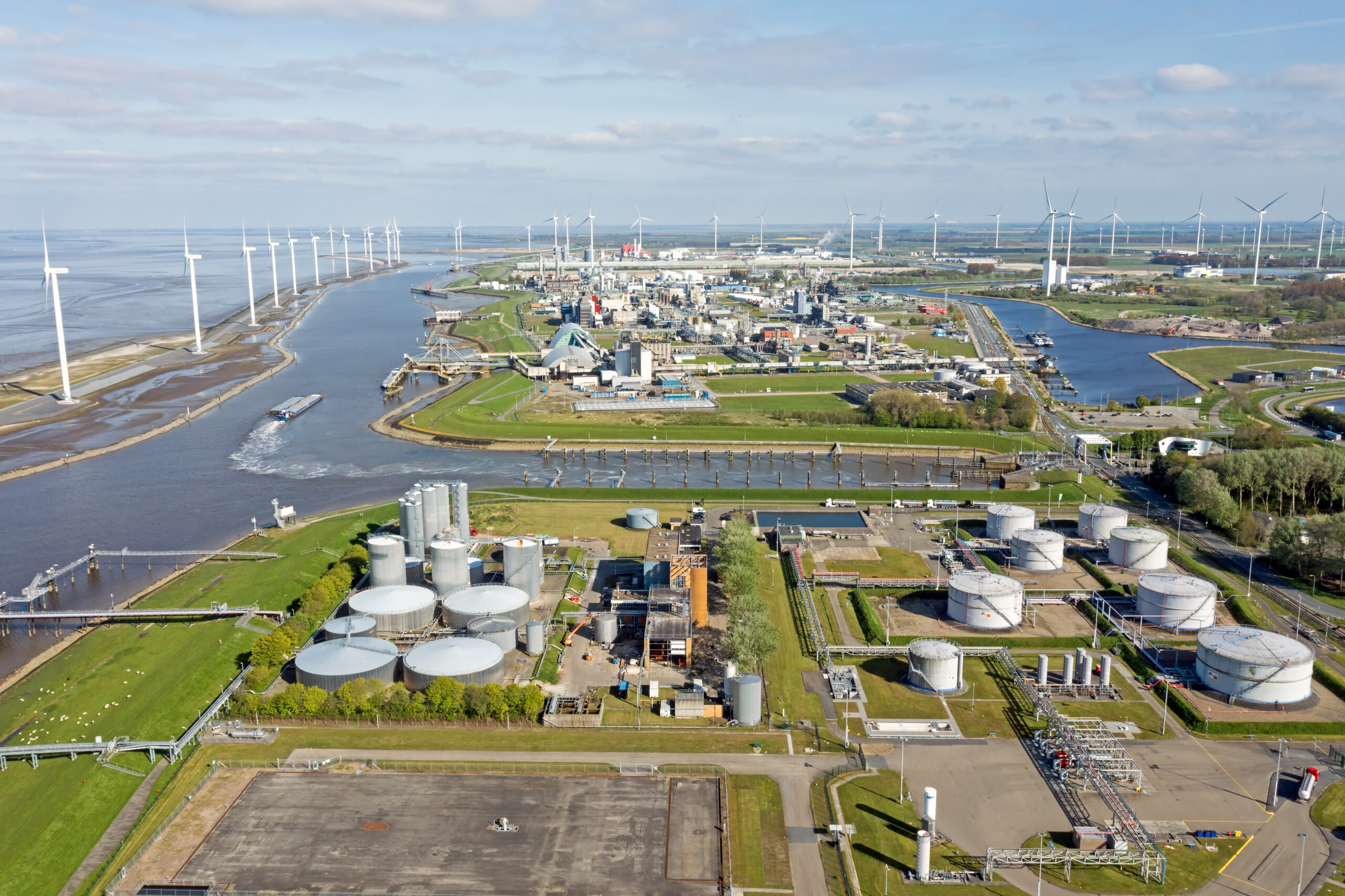
A new report warns that the continent is investing far too much in LNG import terminals that will go under-utilised as gas demand continues to decline.
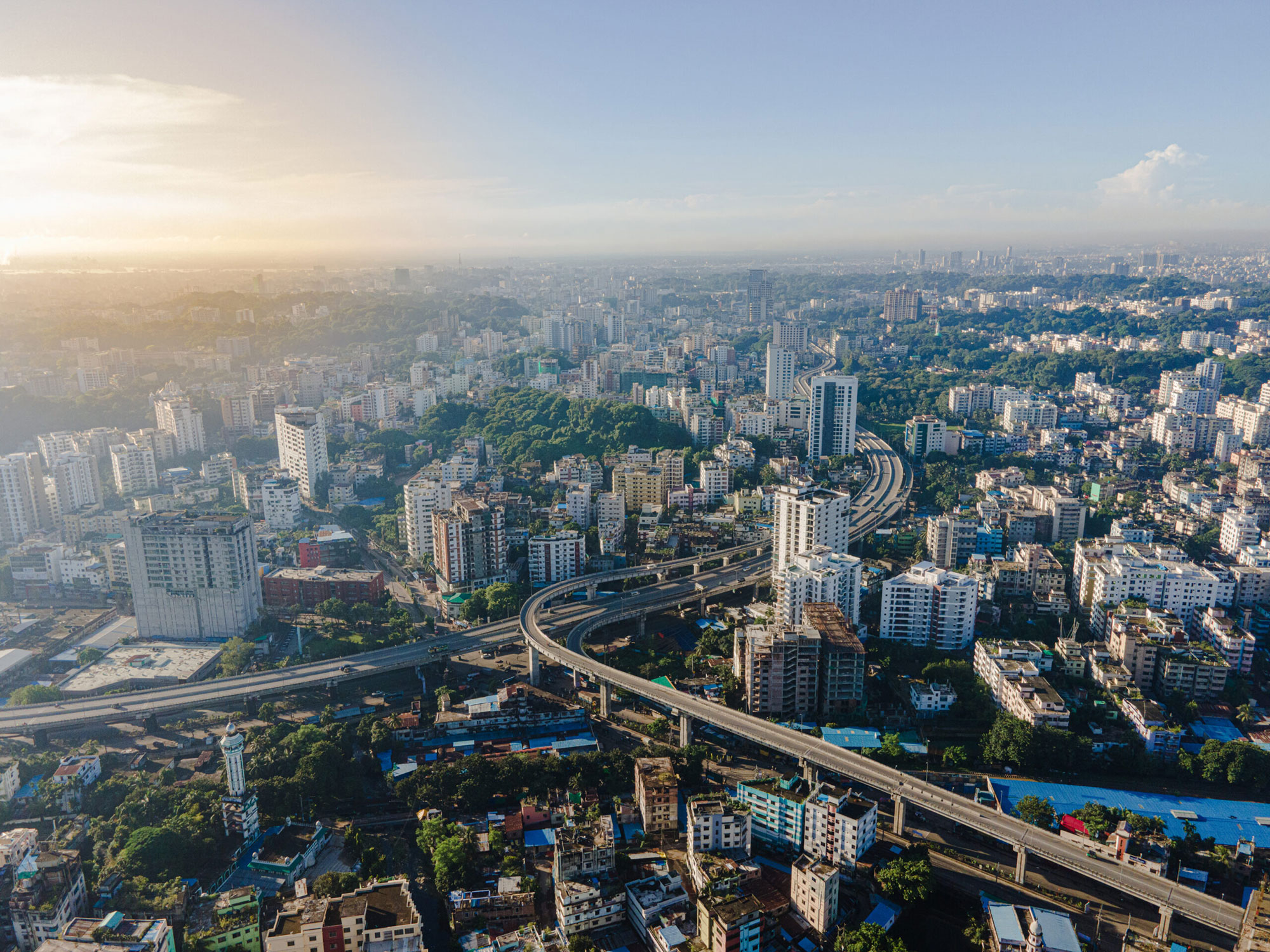
LNG dependence has exposed the dark side of Bangladesh’s energy security over the past several months, in a country experiencing a severe gas crisis.
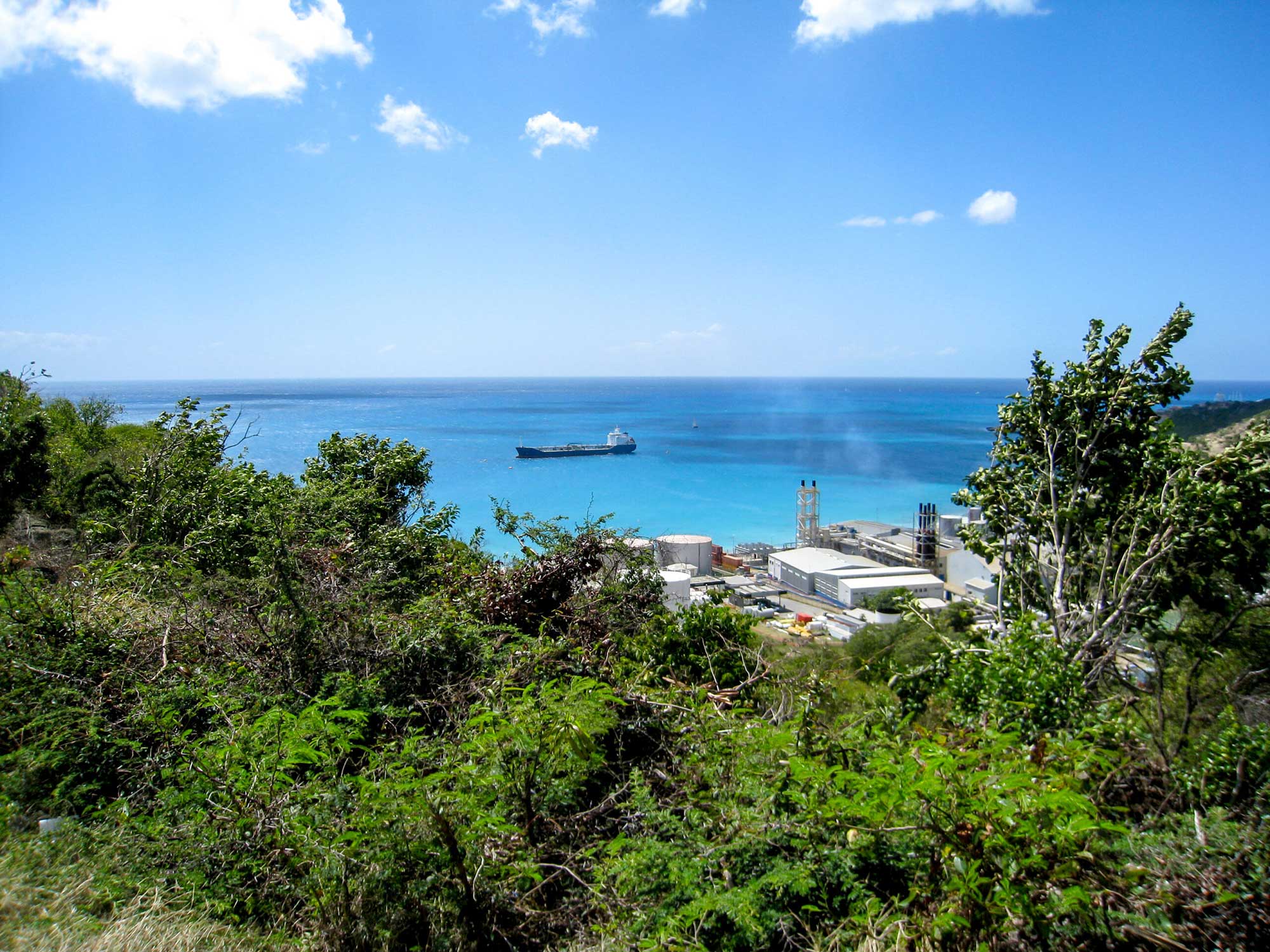
Venezuela is poised to lock in oil and gas supply to Caribbean neighbours in spite of a flare-up in tensions with the United States, which is threatening to restore crippling sanctions on Caracas.
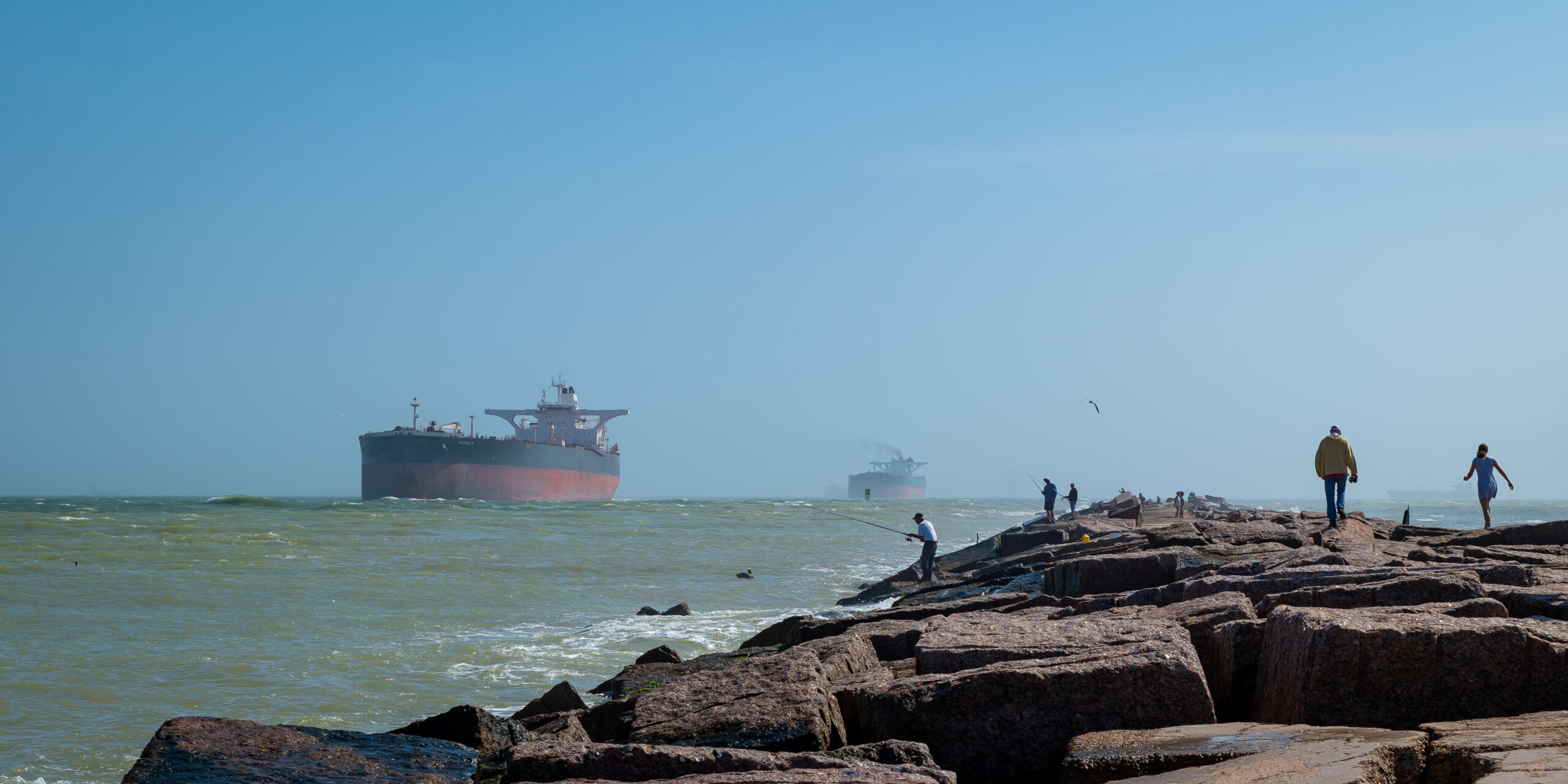
There is commercial momentum for another half dozen U.S. LNG projects, according to analysts. But environmental groups are ratcheting up the pressure on President Biden to halt new permits.
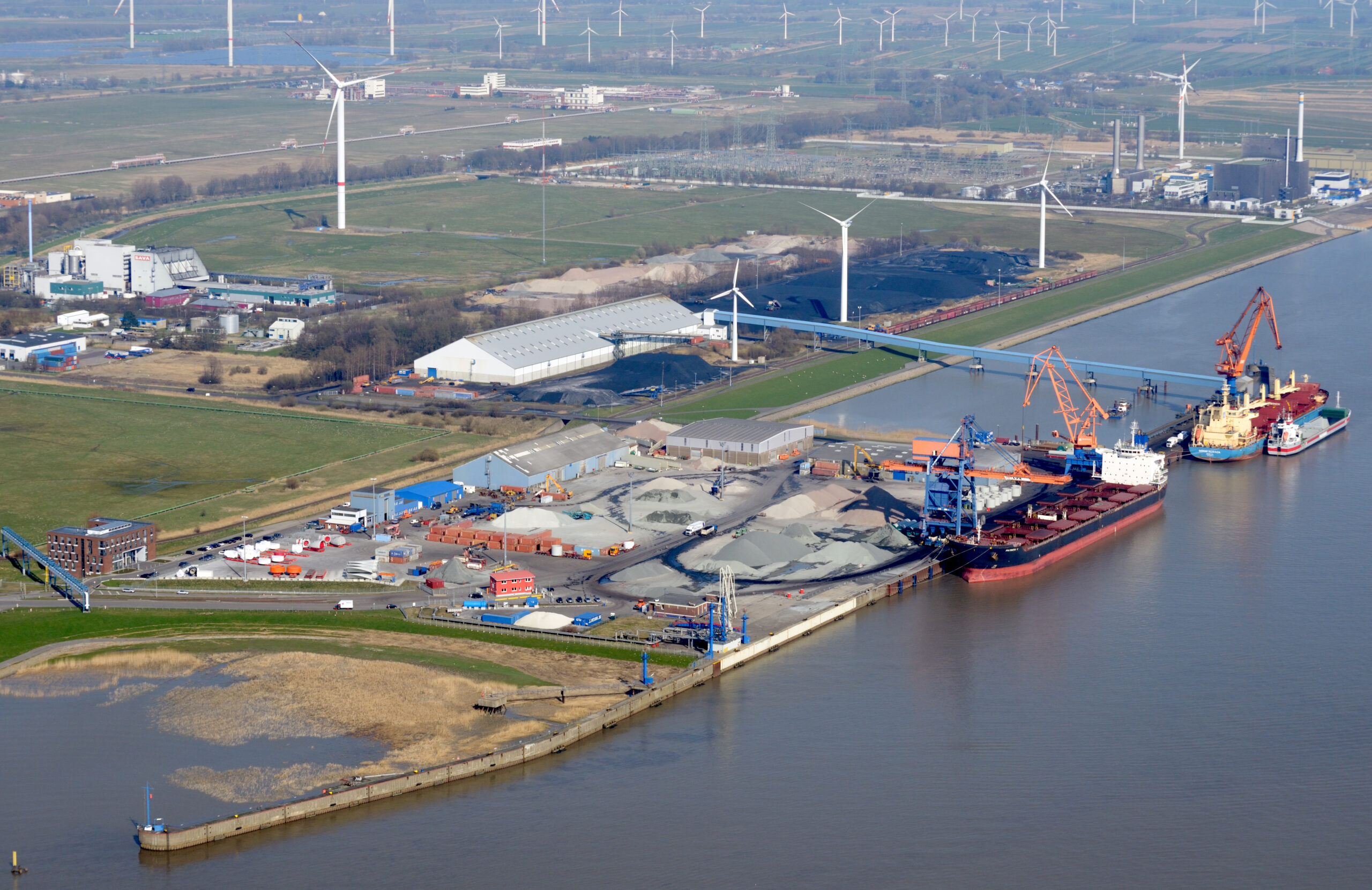
A new Nigeria-Germany gas export deal has raised concerns about potential impact on decarbonisation targets.
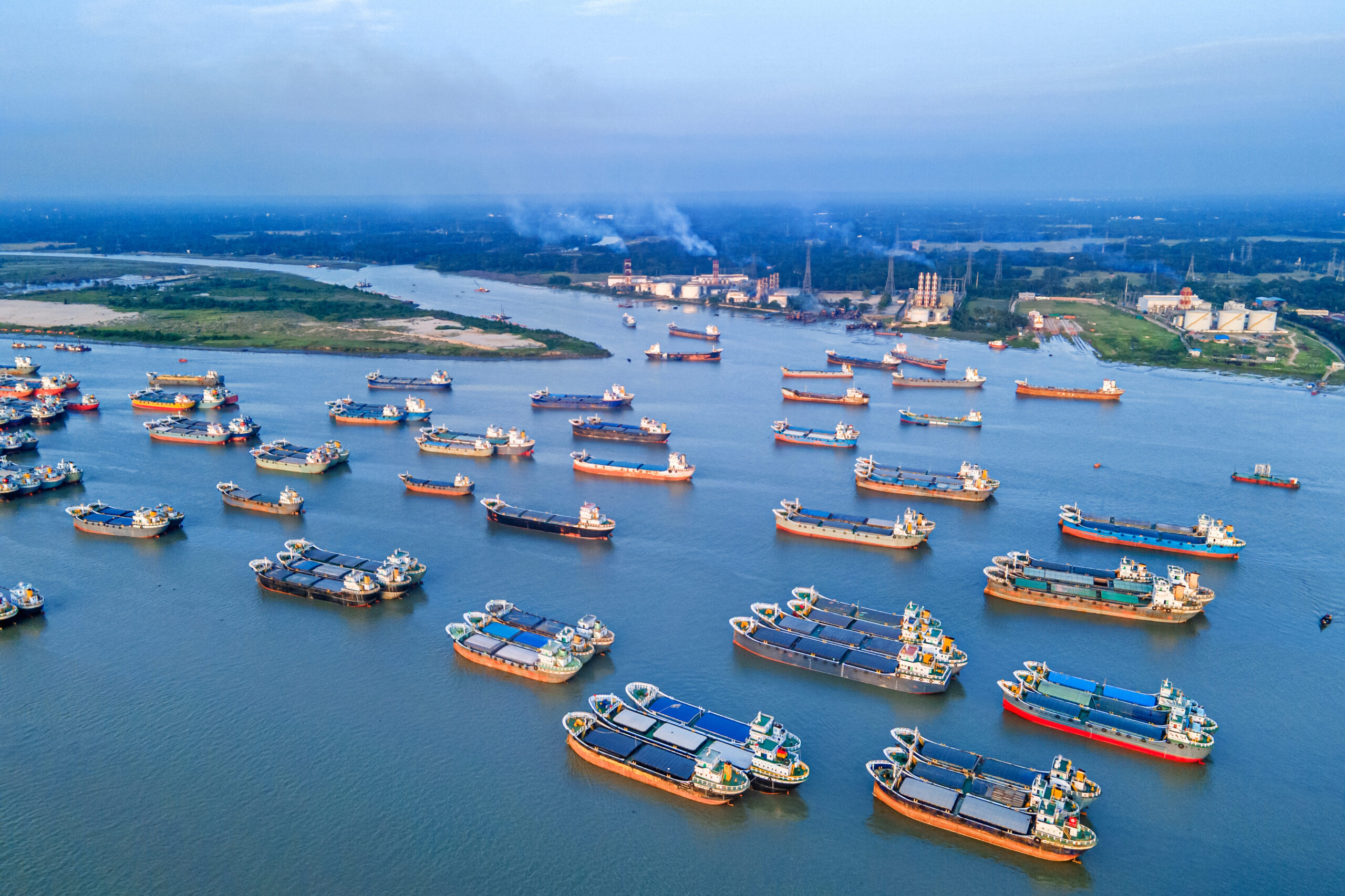
Bangladesh’s gas production has dropped to a decade-low level amid continuous depletion of output and lax moves to ramp up extraction.