

Exports

There is commercial momentum for another half dozen U.S. LNG projects, according to analysts. But environmental groups are ratcheting up the pressure on President Biden to halt new permits.

In a letter to the U.S. Department of Energy, dozens of members of Congress criticized the agency’s approval of so many new LNG projects. They called for more rigorous scrutiny, citing negative climate and economic impacts.
The deal between ConocoPhillips and Mexico Pacific adds further momentum to export Permian gas to Asia, via the Pacific Coast of Mexico.
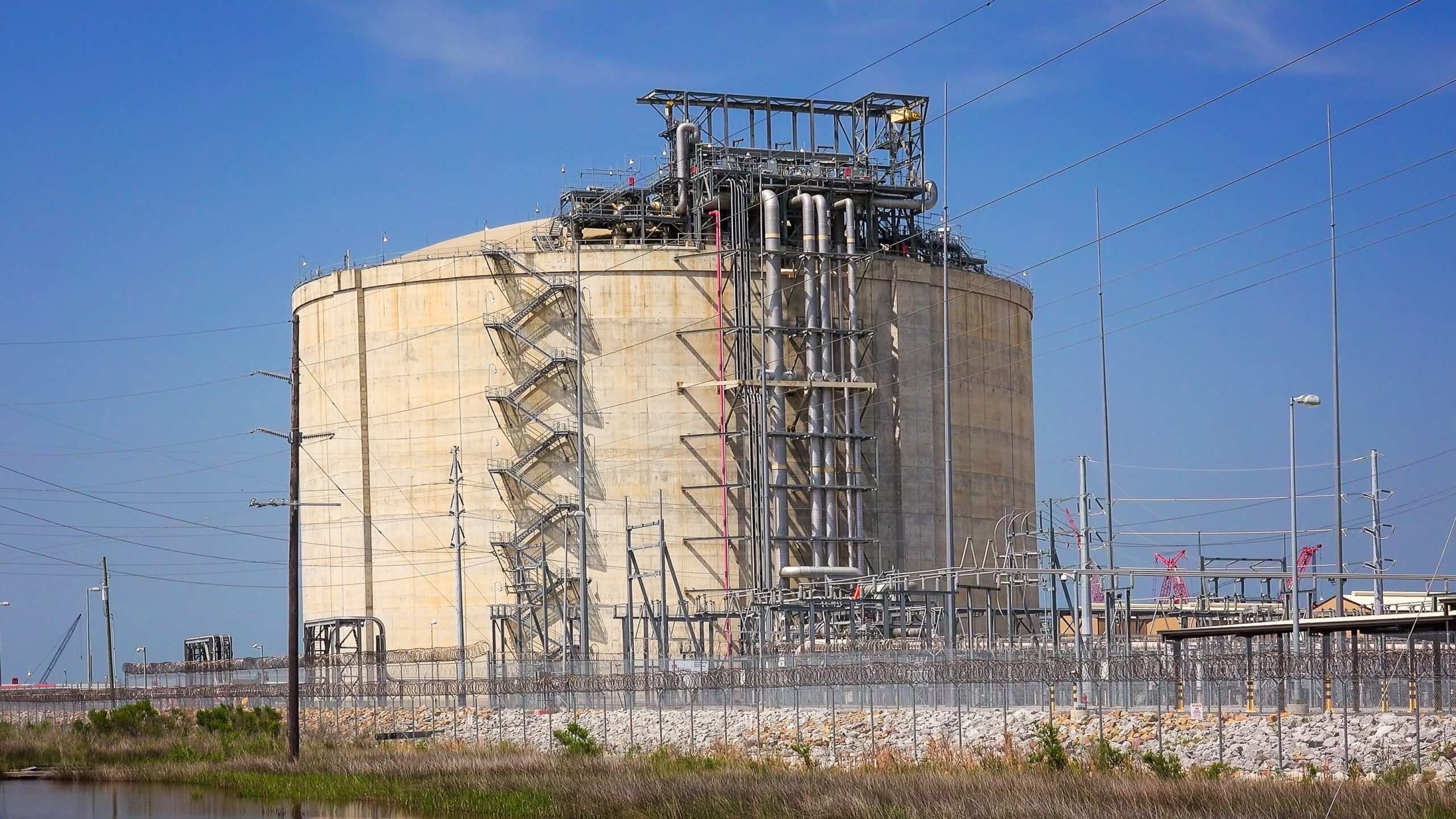
Arbitration cases being brought against the U.S. LNG exporter Venture Global are highlighting the risks faced by contract buyers.
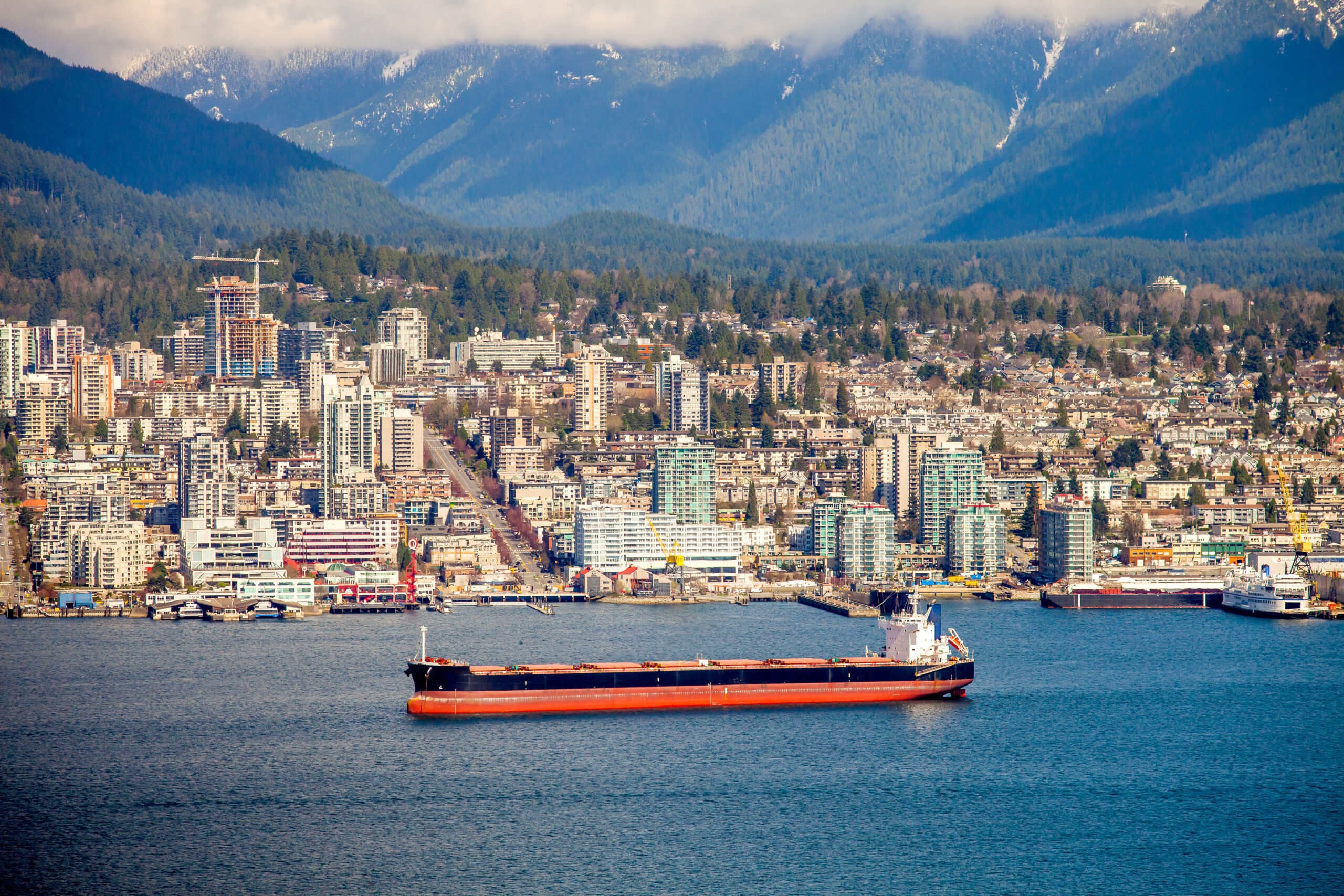
The Canadian province has a target to cut emissions by 40 percent by 2030. But the scramble to export British Columbia’s LNG to Asia could make that impossible.
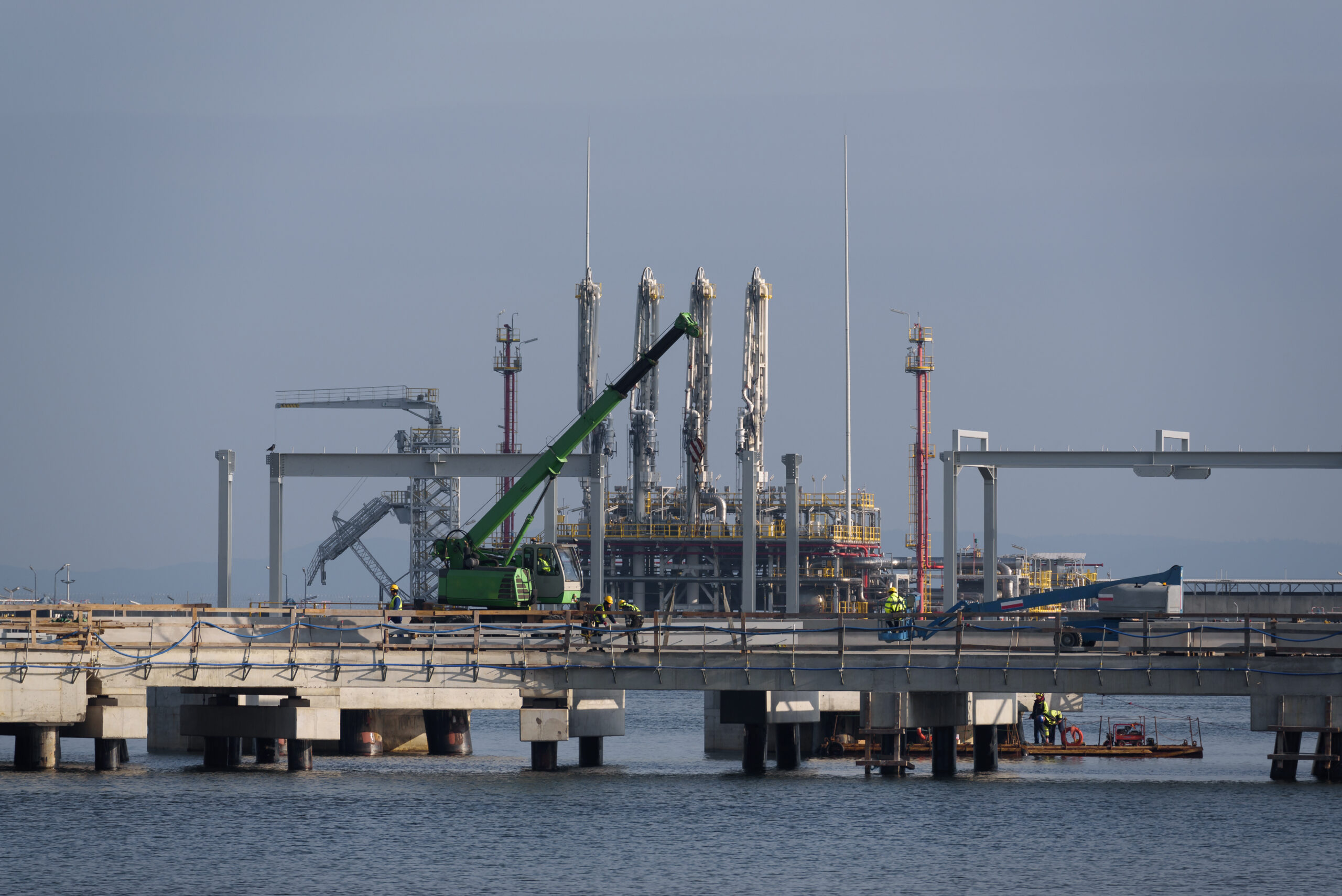
A forecast by the EIA shows U.S. LNG exports rising in the years to come. The more gas that is exported, the higher domestic prices rise.
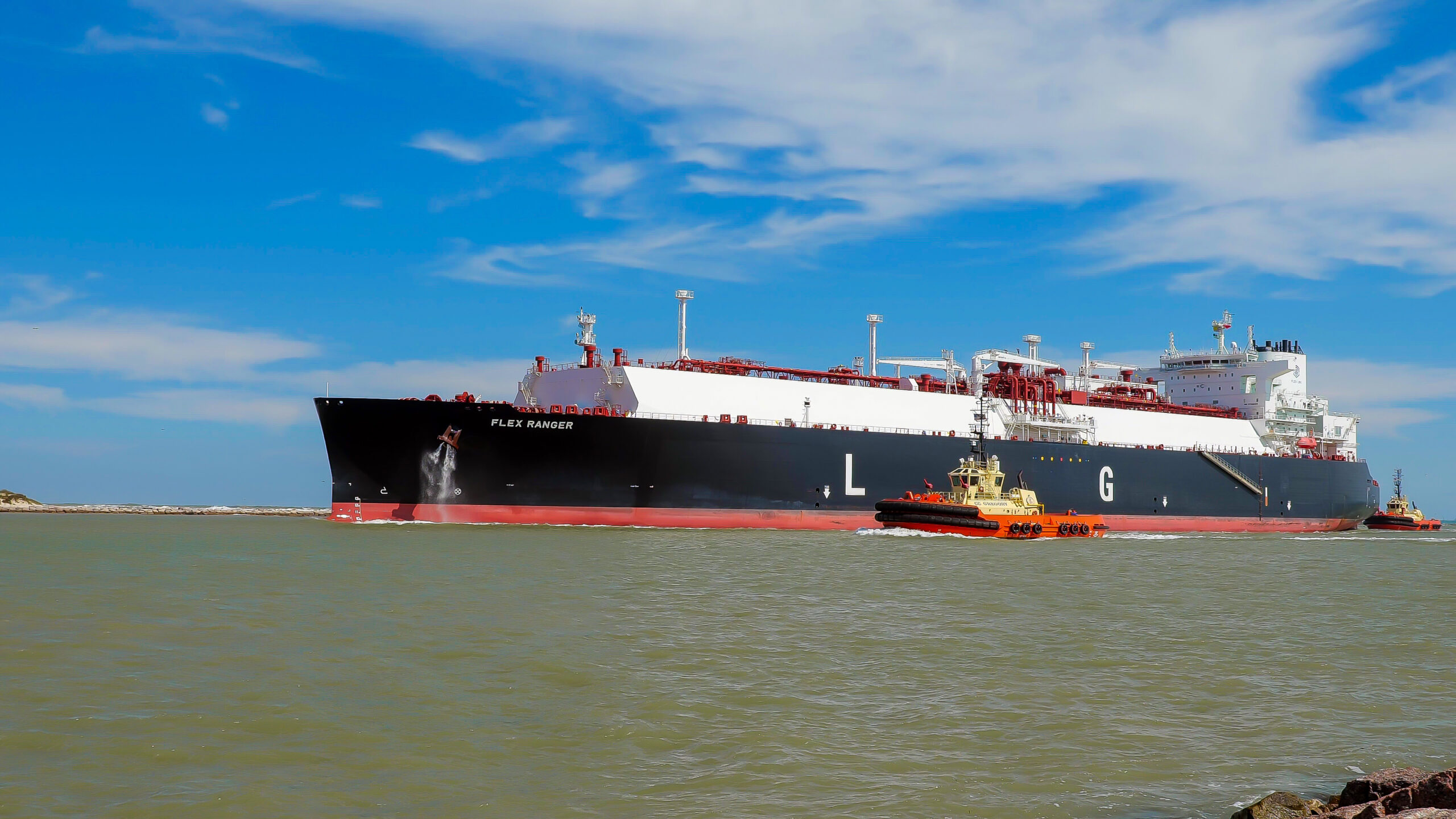
For years, proposed U.S. LNG projects could count on the government to extend their export licenses. But a recent policy change means extensions may be harder to come by, leaving delayed LNG projects stuck on the drawing board.
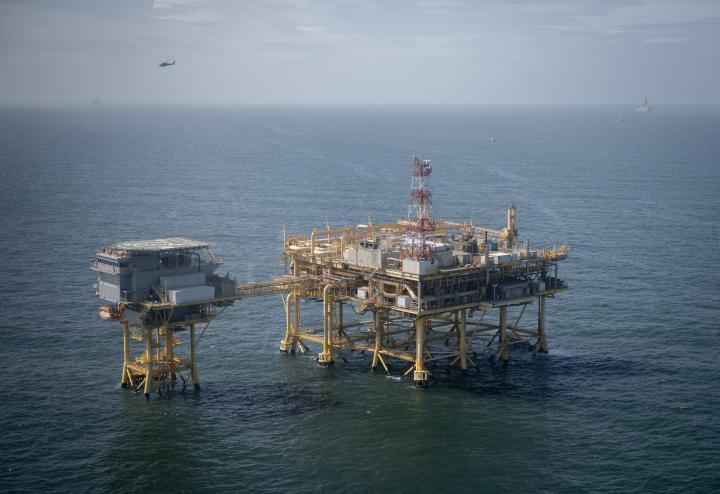
A new oil export terminal in Texas given the go-ahead by President Biden could significantly expand U.S. oil export capacity.
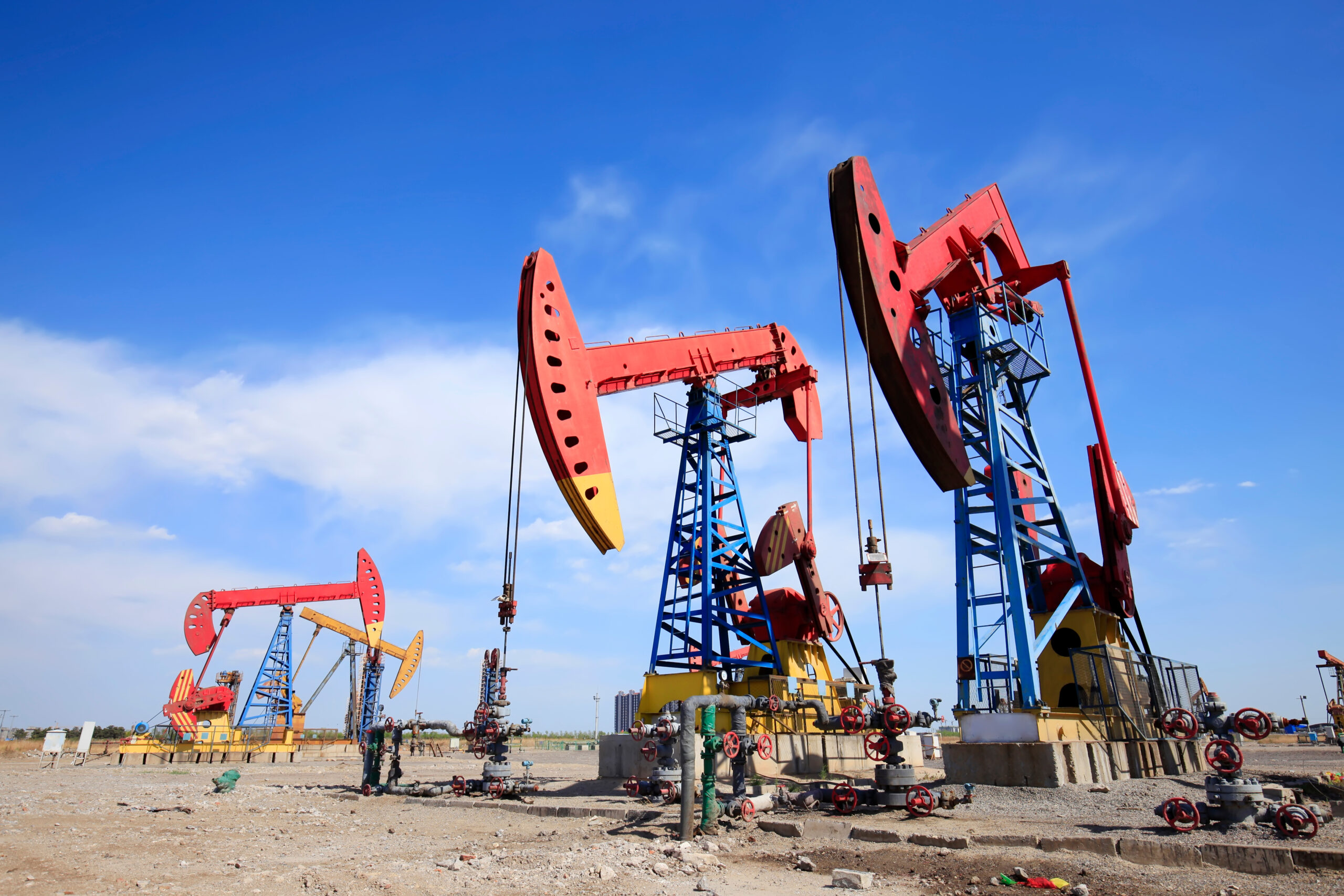
Hungary has delayed a European-wide deal to ban Russian oil imports, but if a deal is reached, it could have a big impact on Russia.