

Trending
الأخبار الشائعة
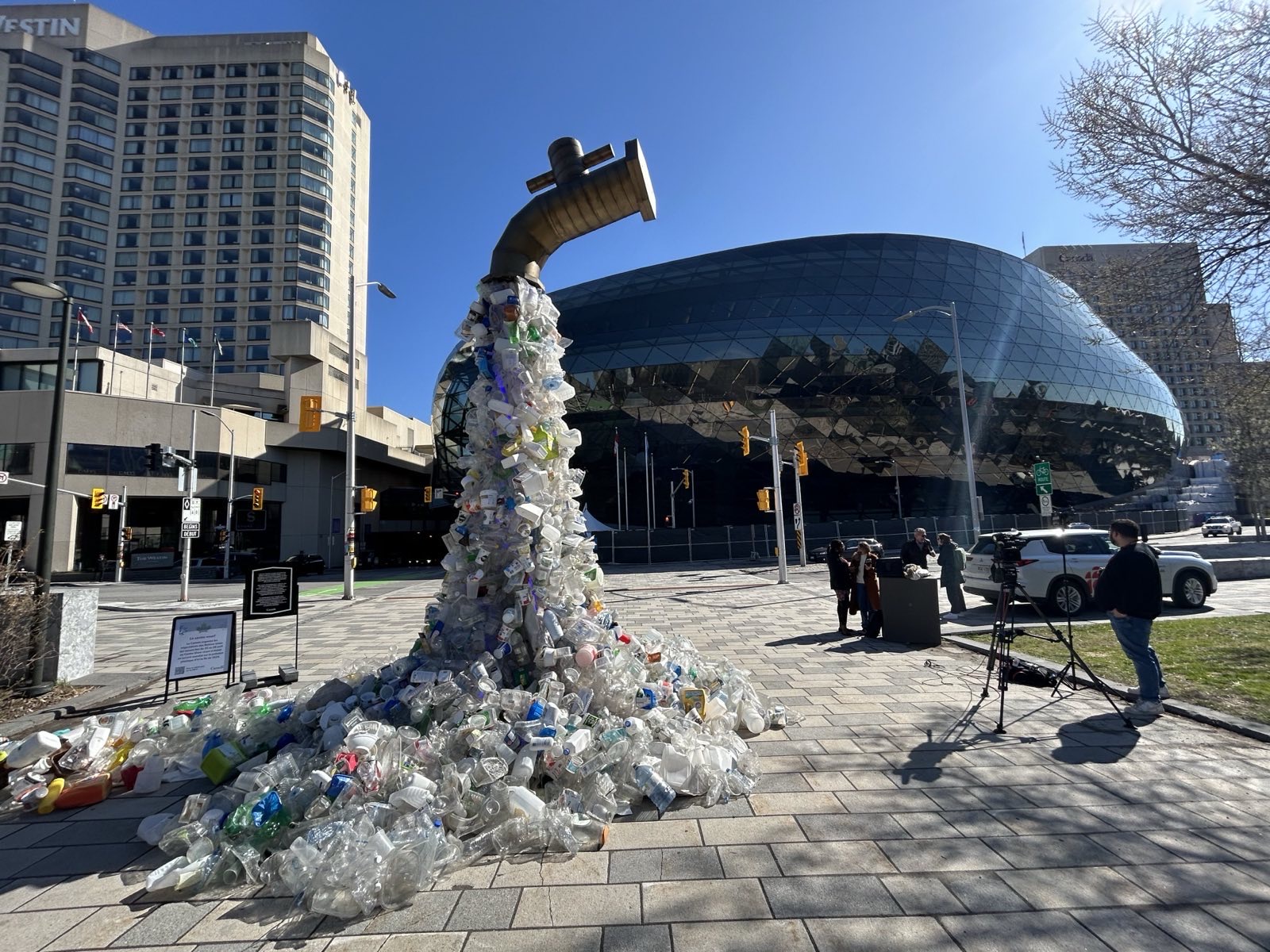
Plastics and petrochemical producers are vehemently opposed to limits on plastics production. They are working overtime in Ottawa this week to weaken the treaty, civil society groups warn.
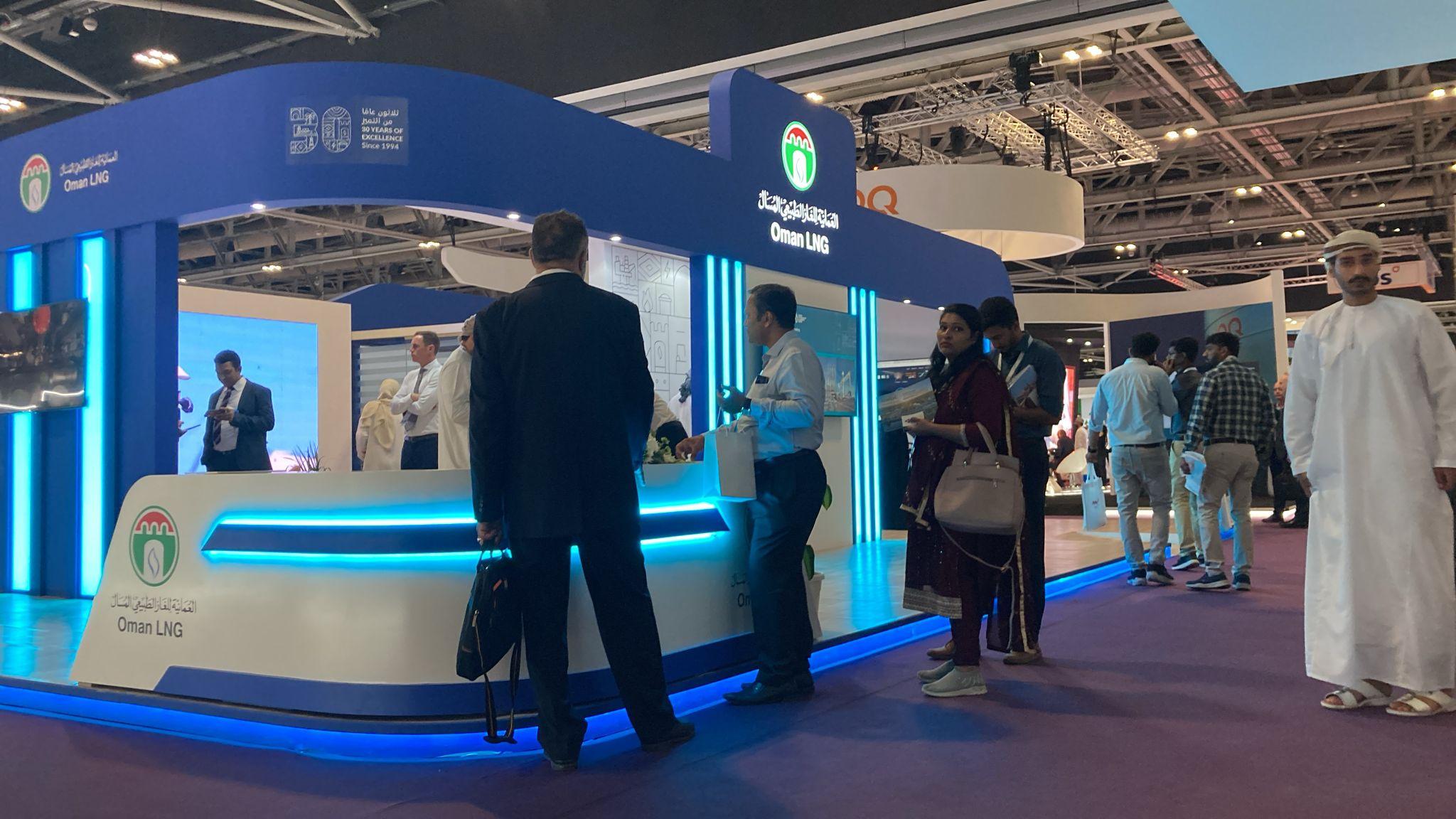
Oman LNG has made headlines in recent weeks with a string of new LNG contracts, but more are still expected, a manager at the firm told Gas Outlook in an exclusive interview.
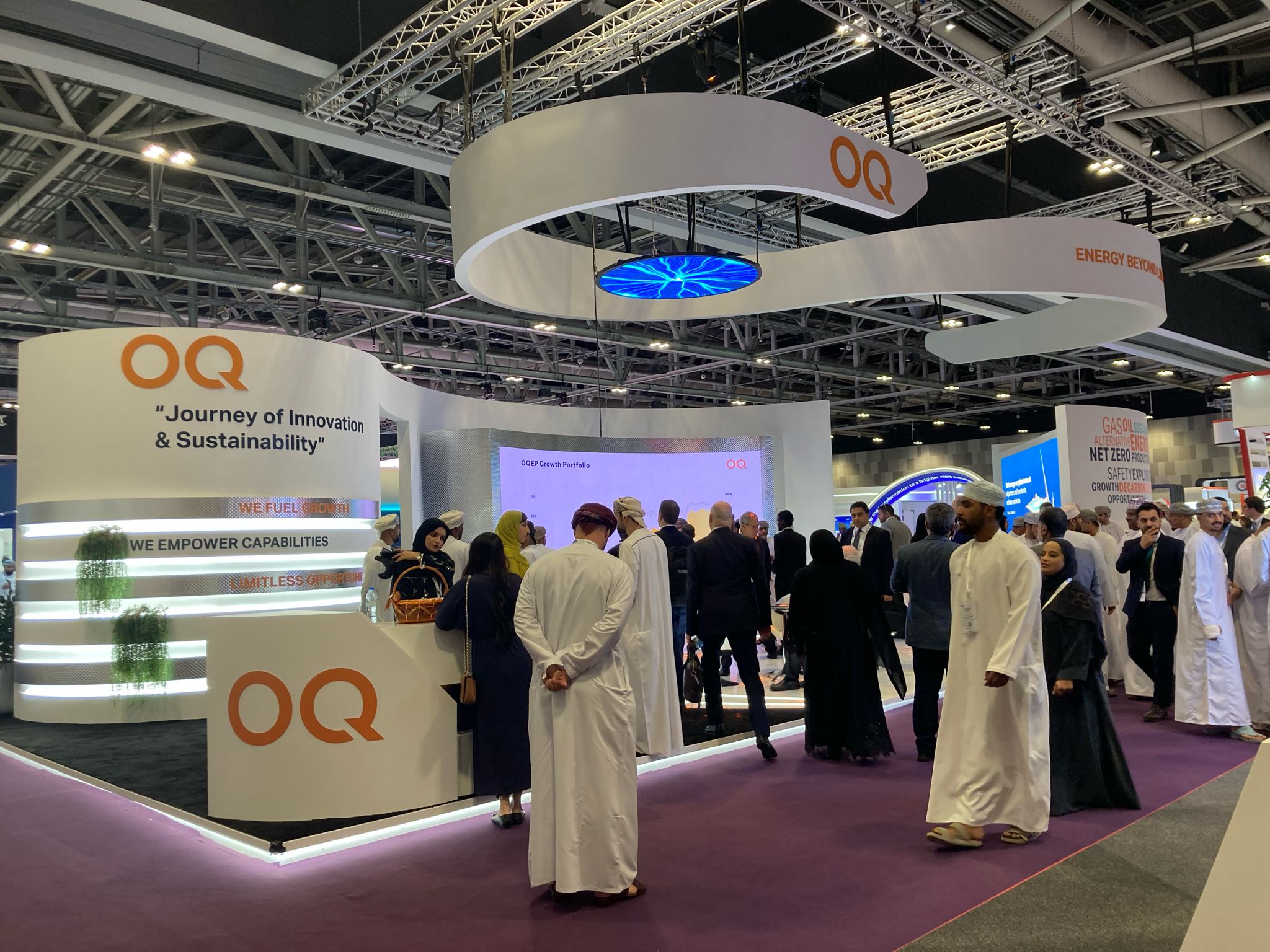
Omani energy firm OQ is keen to develop more downstream gas projects, its chief executive of upstream told Gas Outlook.
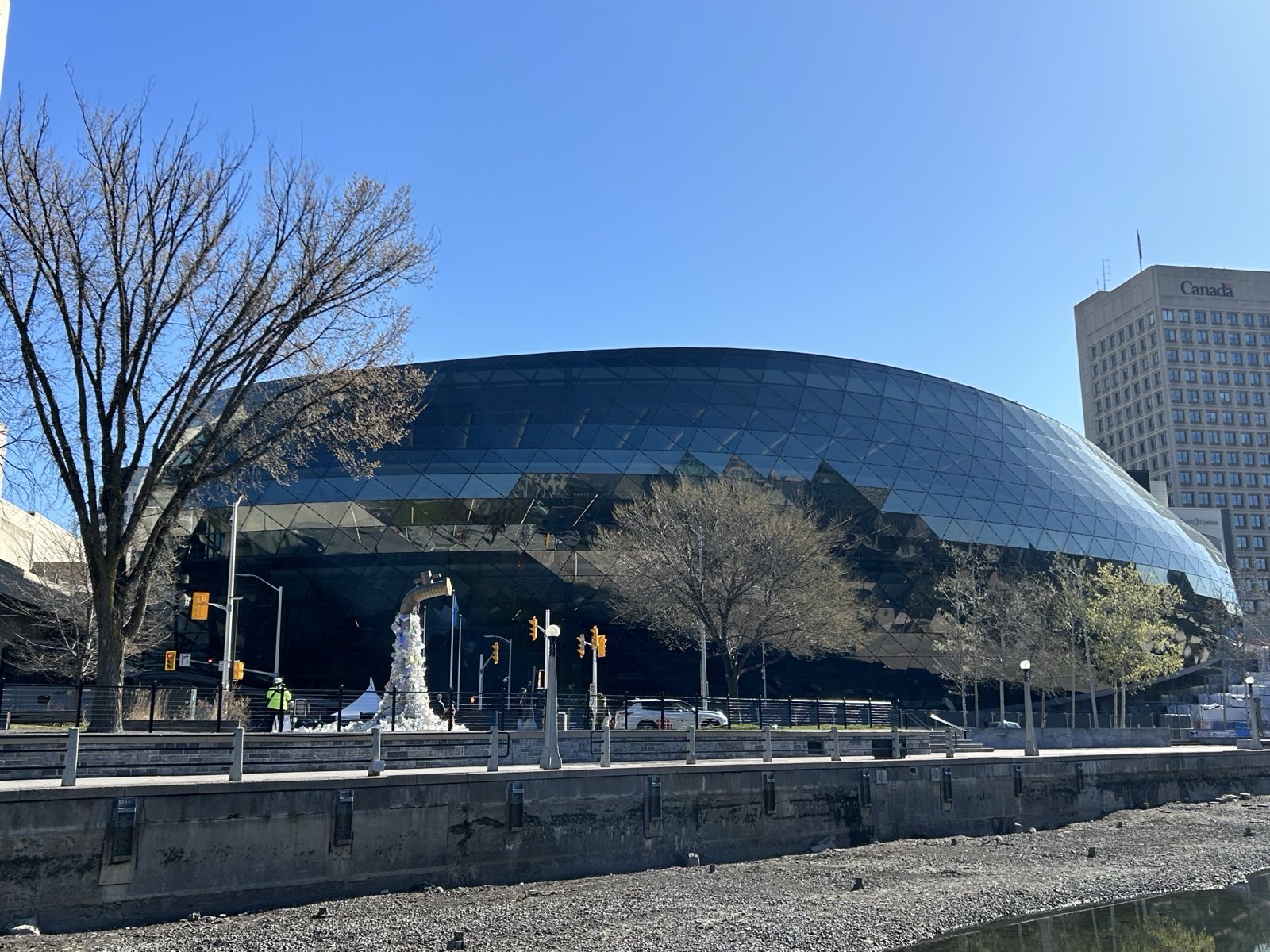
As the 4th round of talks get underway this week in Ottowa, scientists, campaigners, and a coalition of countries are calling for substantive progress on a global plastics treaty that would place restrictions on production. Plastics and petrochemical producers are trying to prevent that outcome.
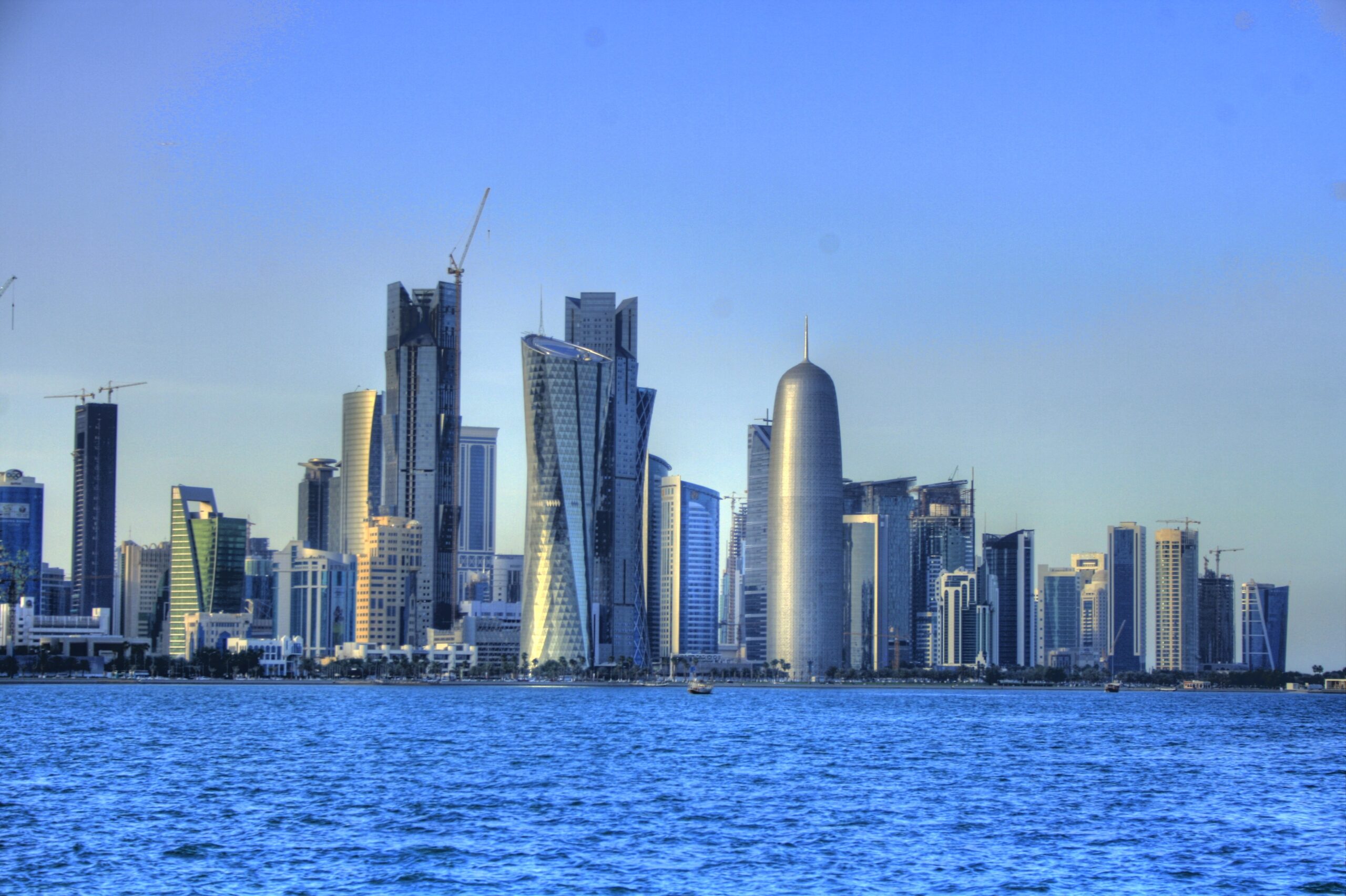
State-run QatarEnergy has announced a third LNG expansion plan, but Qatar has yet to tackle emerging risks including regulation on methane emissions.

The climate litigation victory is significant for a country that has been warming at more than twice the global rate in recent years.
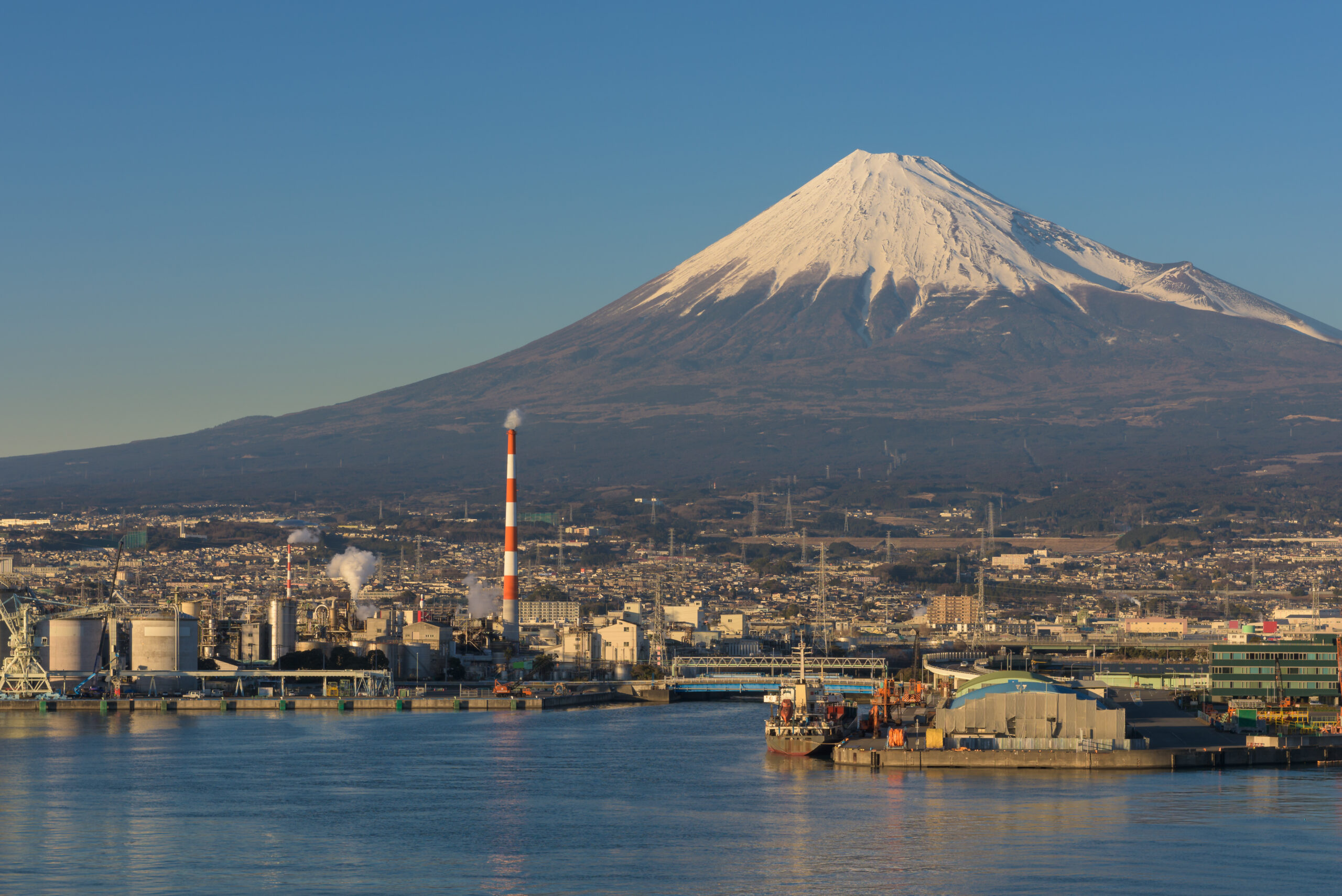
Japanese utilities are increasingly focused on marketing and reselling LNG overseas, new research shows, creating more competition in the global LNG market.

Last year’s COP28 provided an important framework for discussing a new energy systems order where fossil fuels would be less central, one analyst said.

The move comes as experts warn of a growing “reputational risk” for institutions like Cambridge University if they collaborate with oil and gas companies.
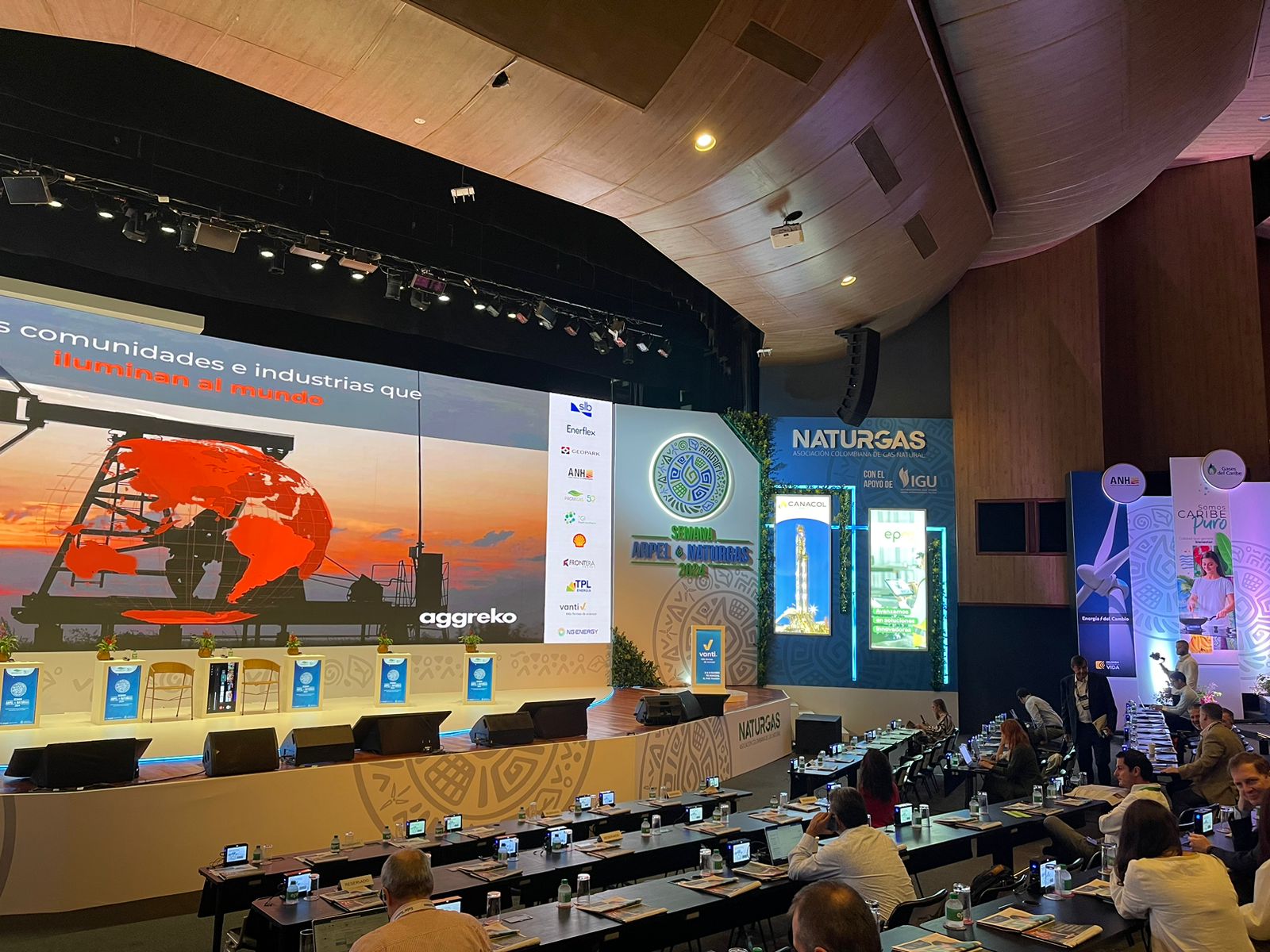
An announcement this week at the Arpel-Naturgas conference in Cartagena suggests that the administration of Colombian President Gustavo Petro is putting more emphasis on Venezuelan gas than domestic alternatives.
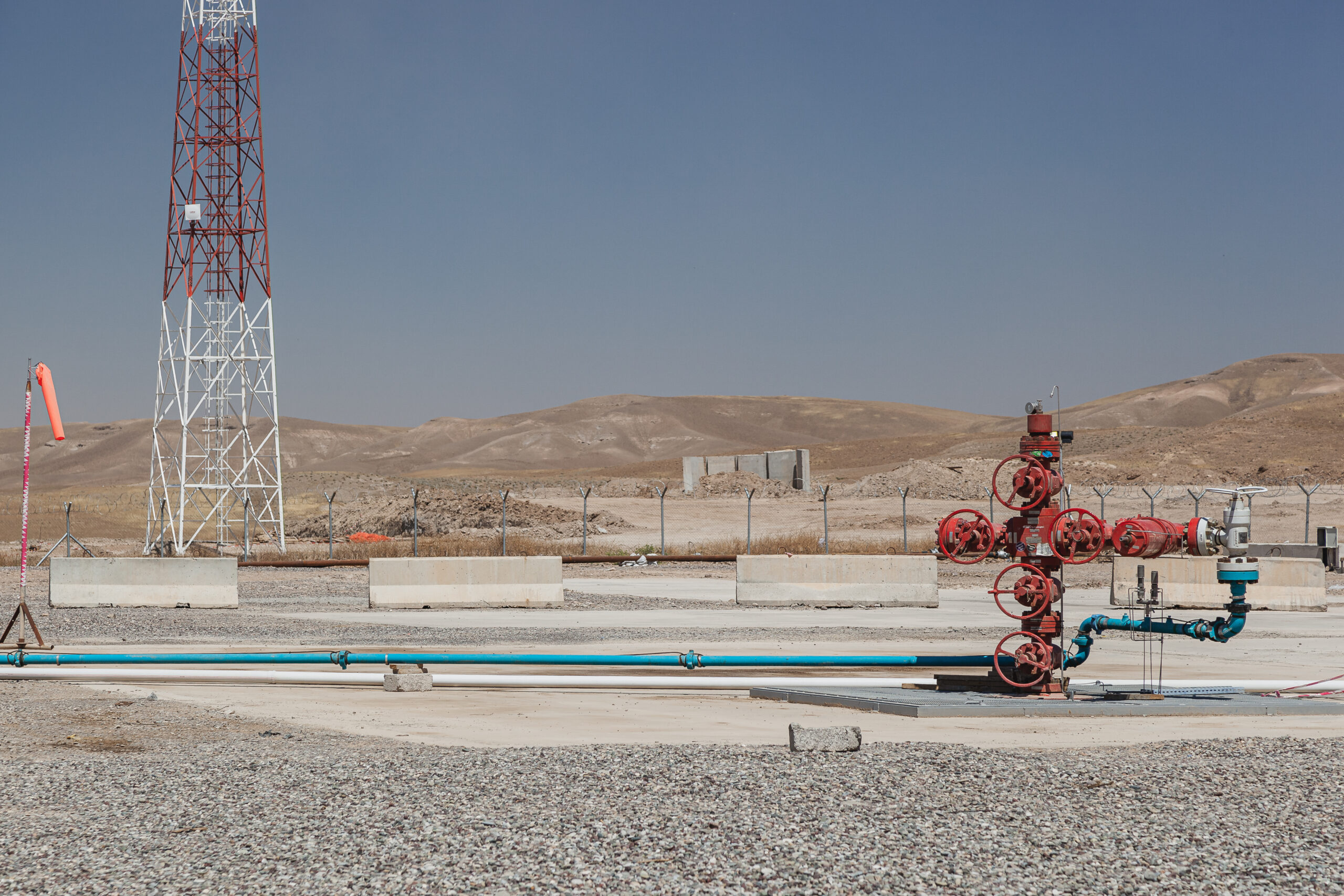
An Iraqi man’s son died of leukemia a year ago. He says that BP’s excessive gas flaring in southern Iraq is the cause, and he is seeking damages from the British oil giant.
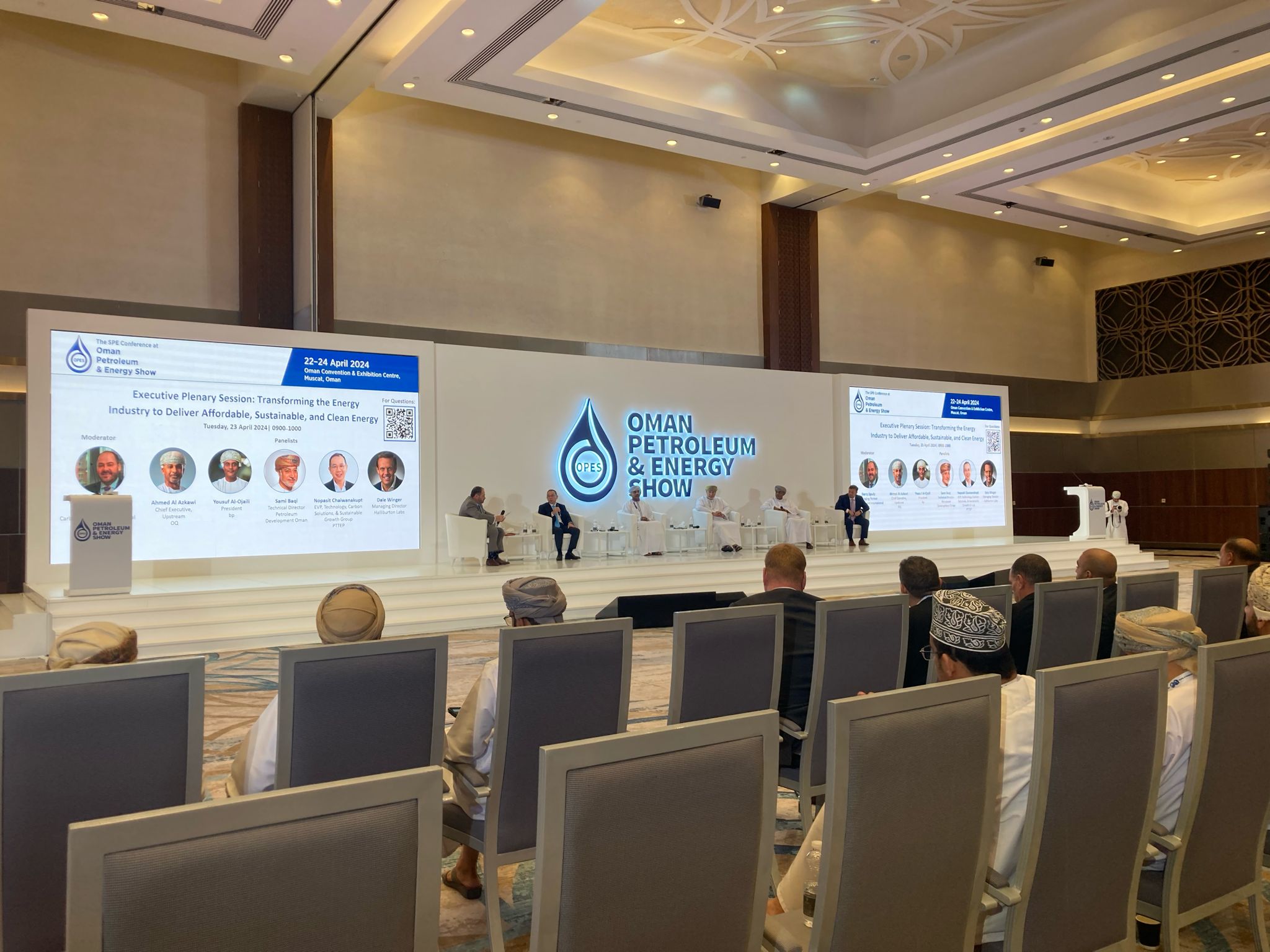
Oman's energy transition cannot happen without oil and gas still playing a role, delegates said at an Oman energy show this week.
There are still barriers to a full hydrogen value chain and economy taking off, delegates said at the Oman Petroleum and Energy Show.
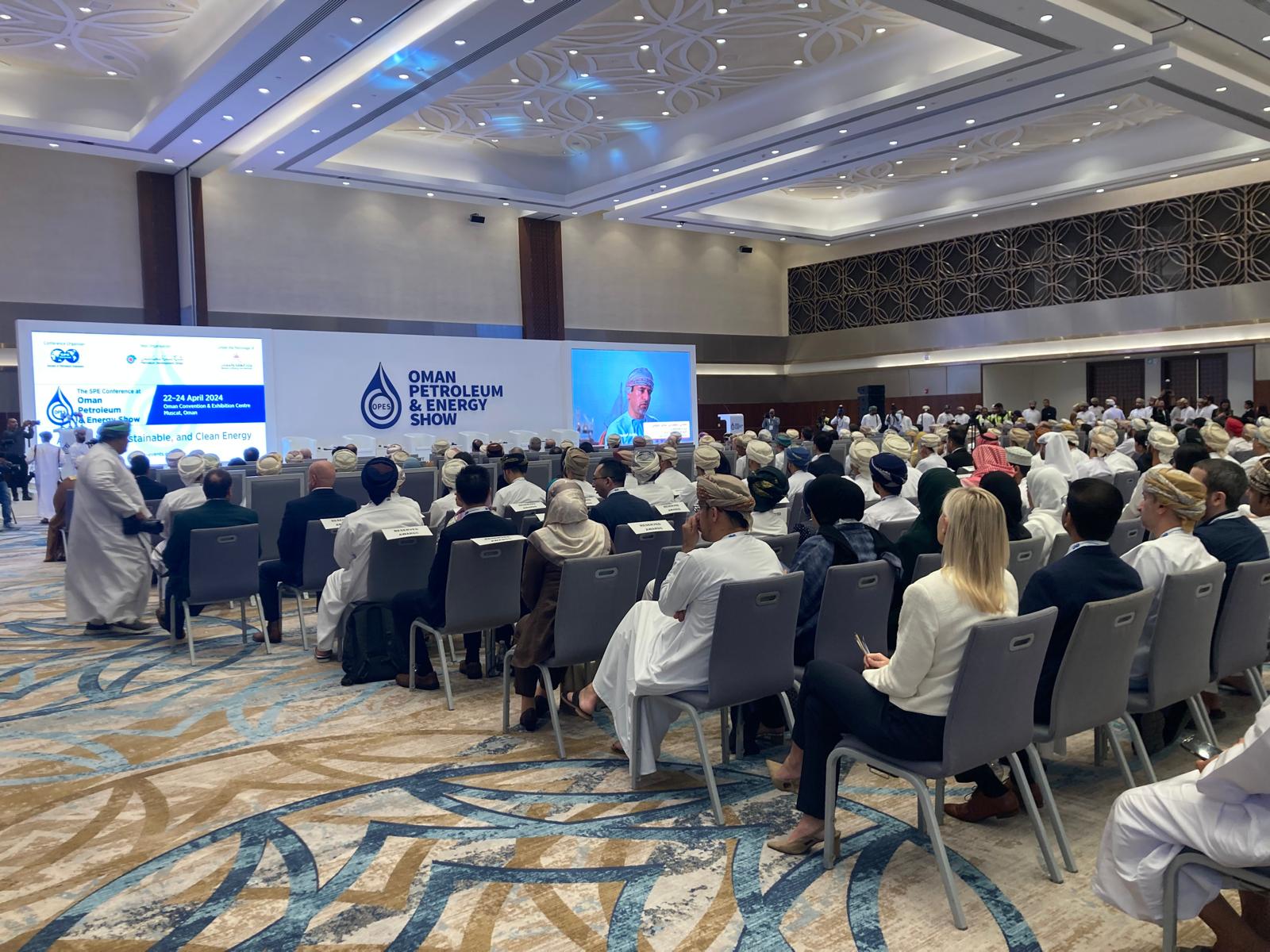
Oman's energy transition will take longer than expected, a government official said on the opening day of the Oman Petroleum and Energy Show.
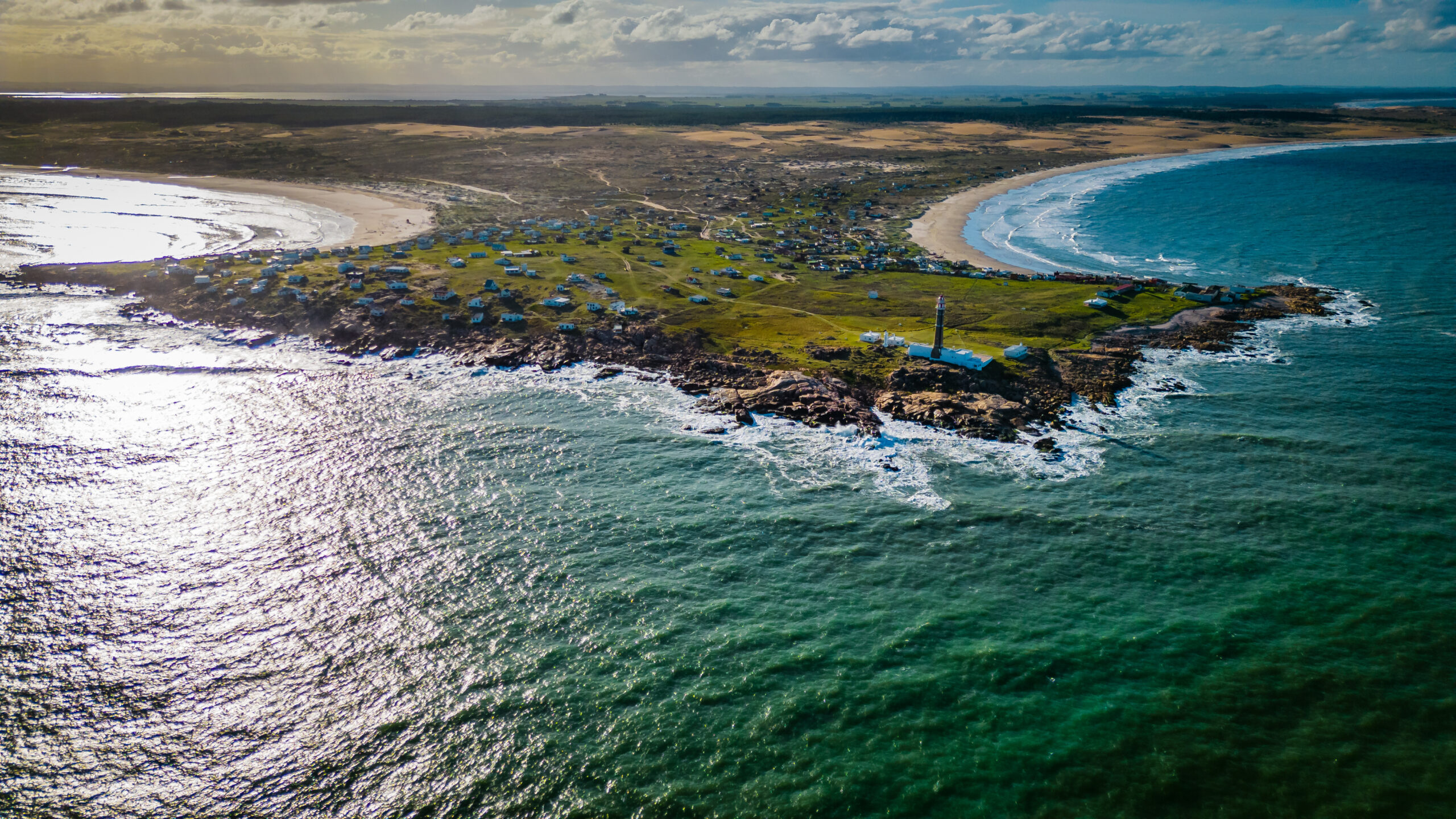
In the upcoming tender, Ancap will offer four blocks for companies to install renewable energy to make green hydrogen.
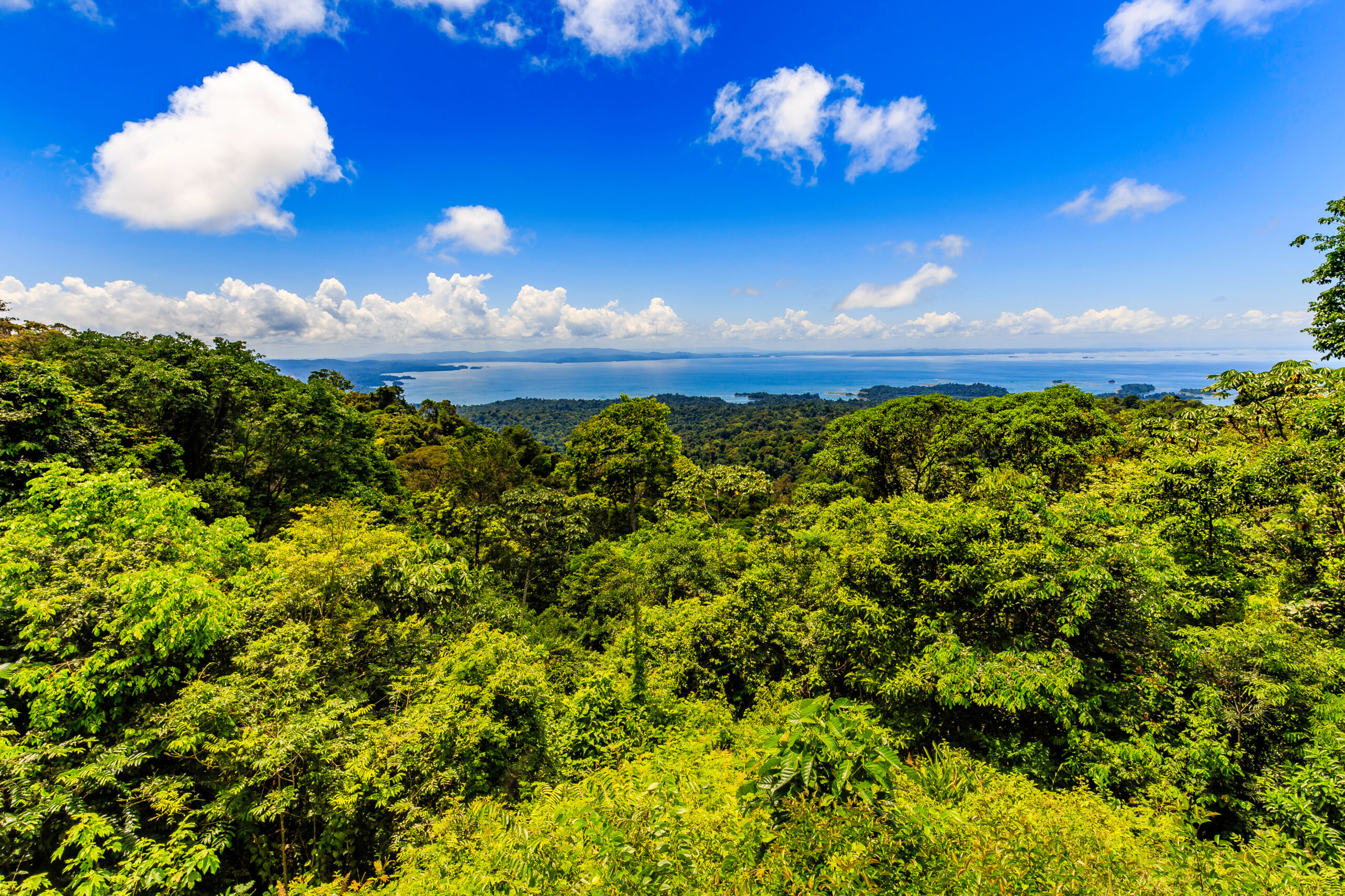
Suriname is estimated to have 17 trillion cubic feet of gas reserves, which if proven would surpass those of Mexico and Brazil.
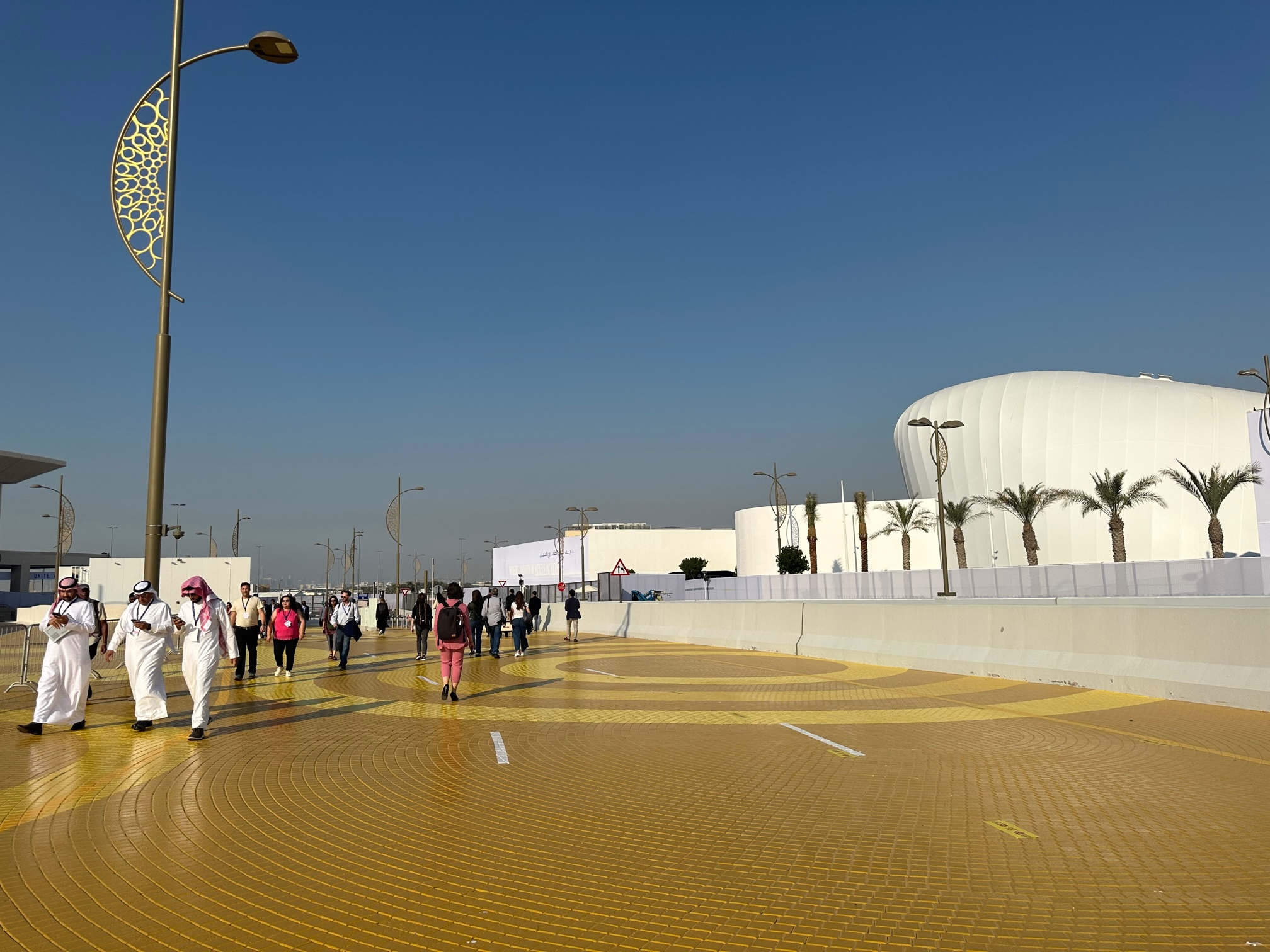
When delegates gathered in Dubai just a fortnight ago for the opening of COP28, the chances of progress seemed slim, but these oil state climate talks delivered a transition away from fossil fuels that no previous COP managed to achieve.
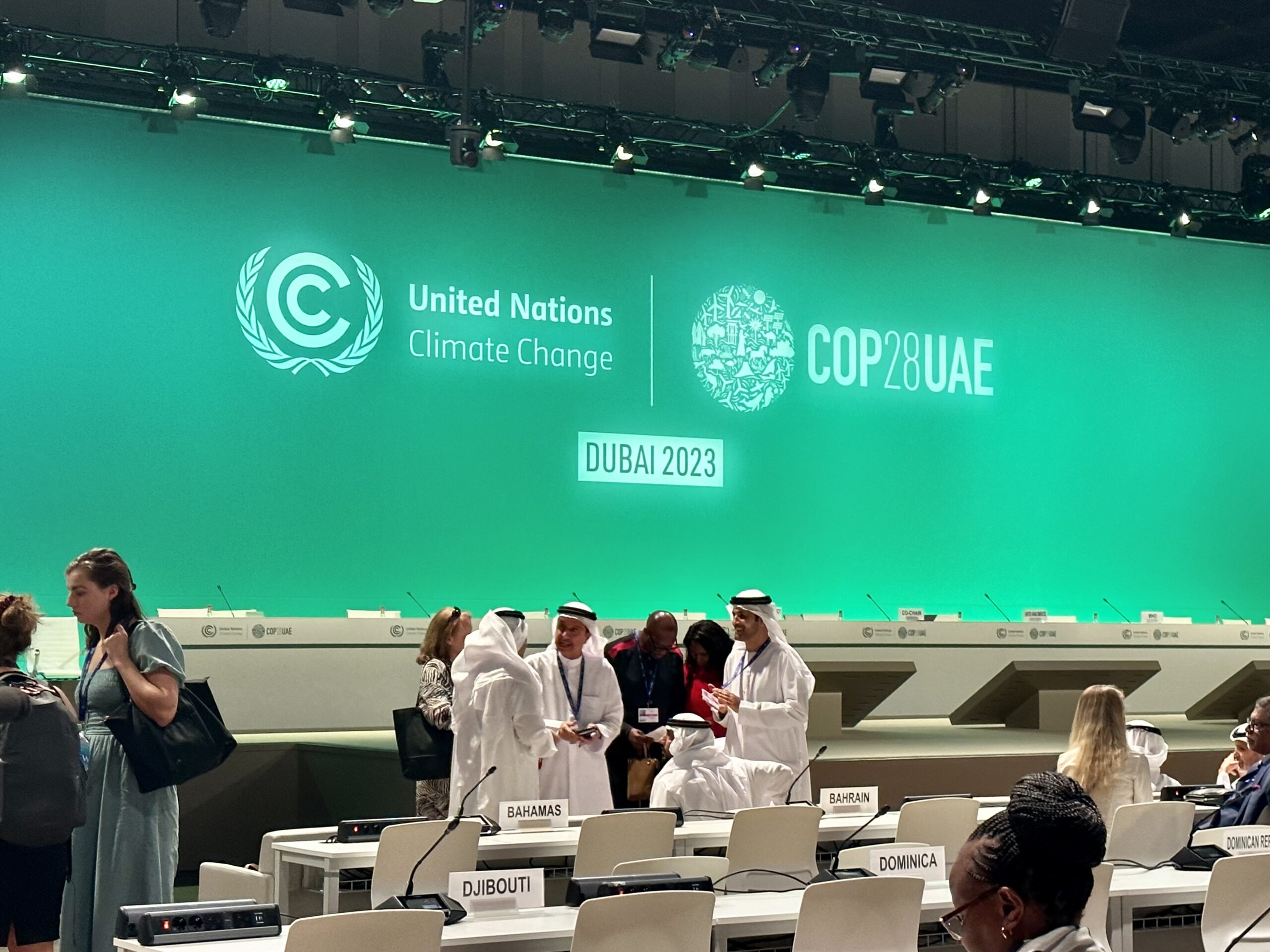
Saudi Arabia remains a thorn in the side of COP28. Only one solution remains – that the Gulf petrostate host its own COP, and face up to global scrutiny as the United Arab Emirates has done.
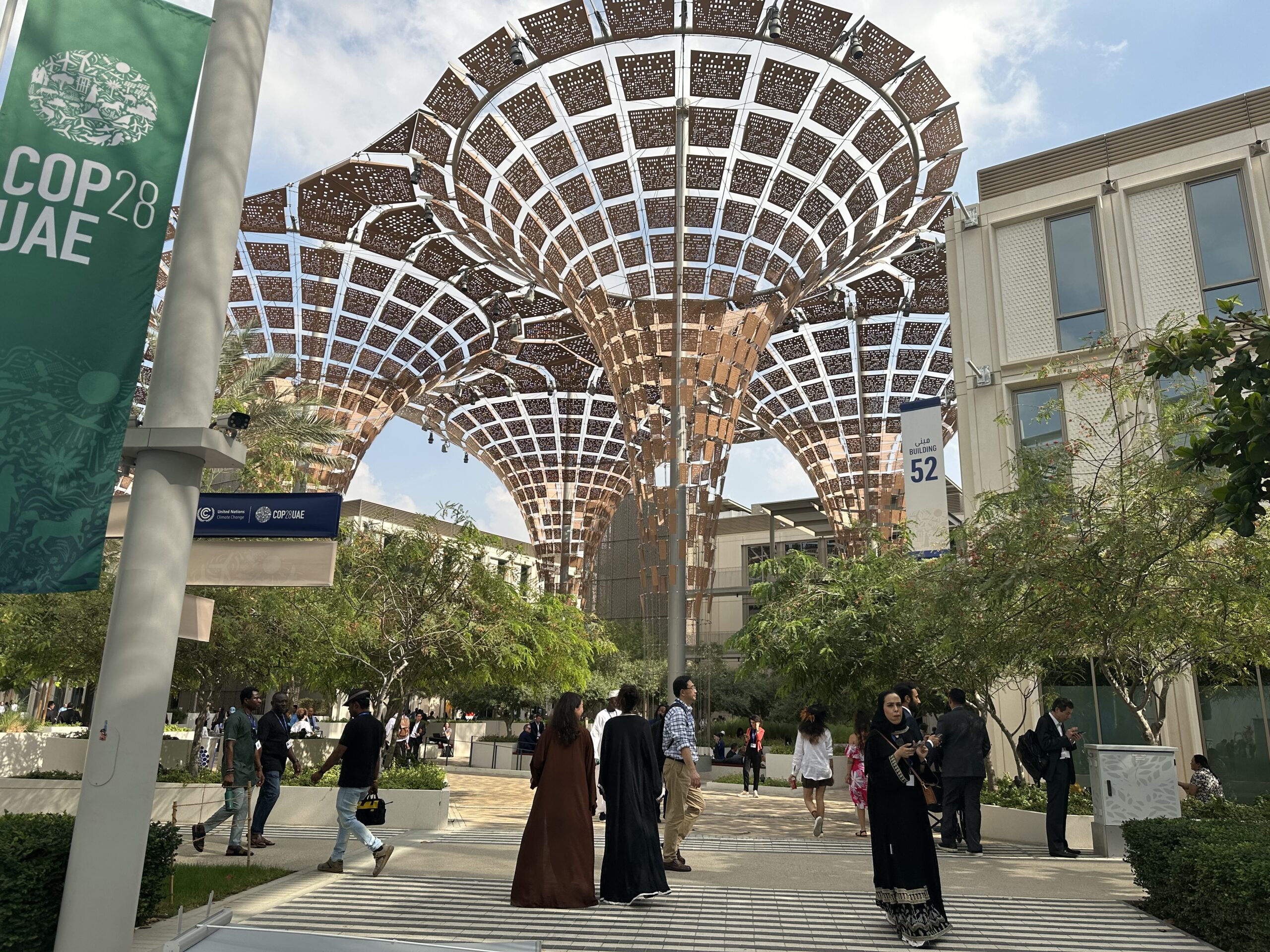
It is less than a week since COP28, the largest ever U.N climate summit, began in the oil kingdom city of Dubai, but drama is already at a peak after Sultan Al Jaber questioned the science behind phasing out fossil fuels.
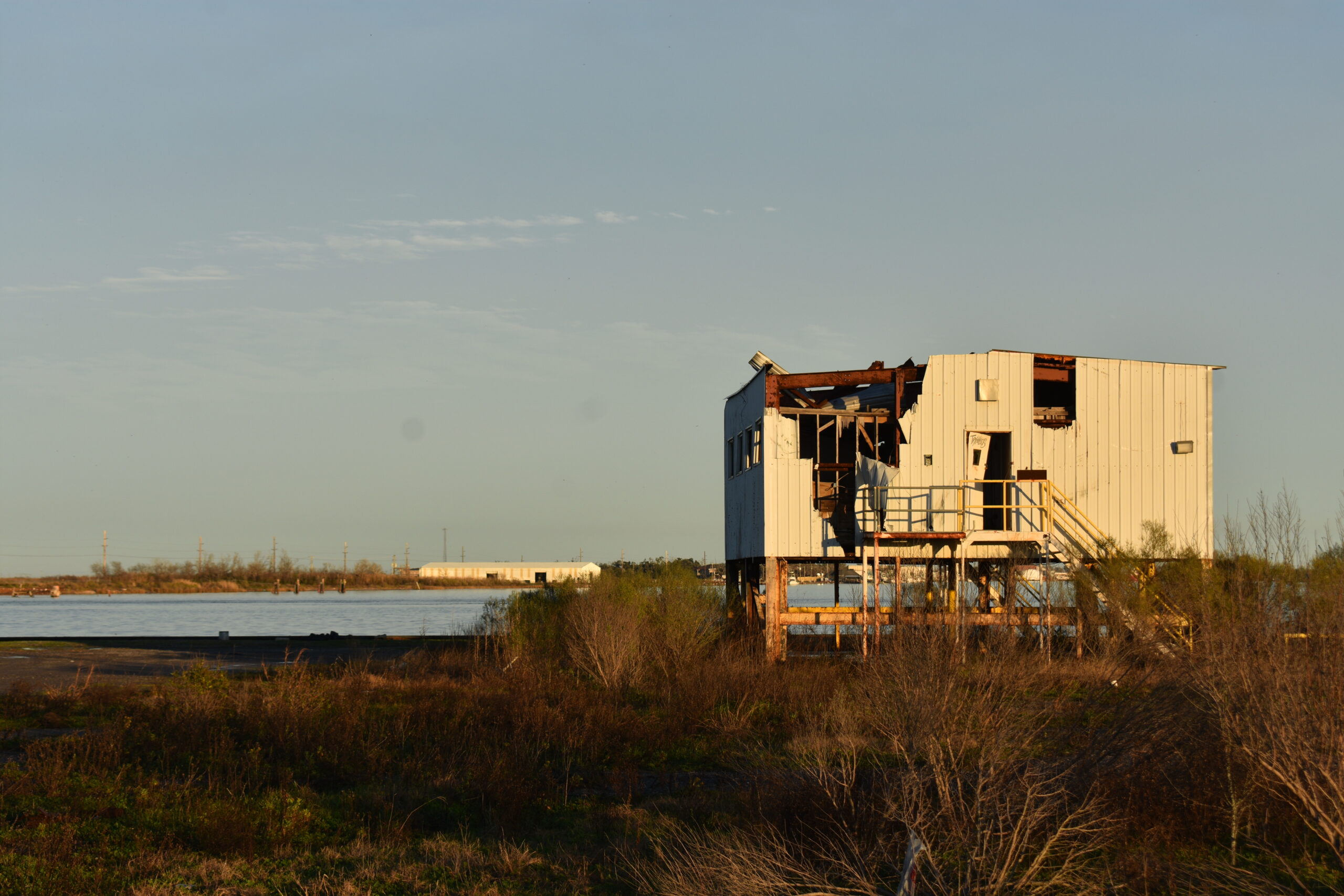
Already scarred by climate change, southwest Louisiana is on the frontlines of the rush to build new LNG.
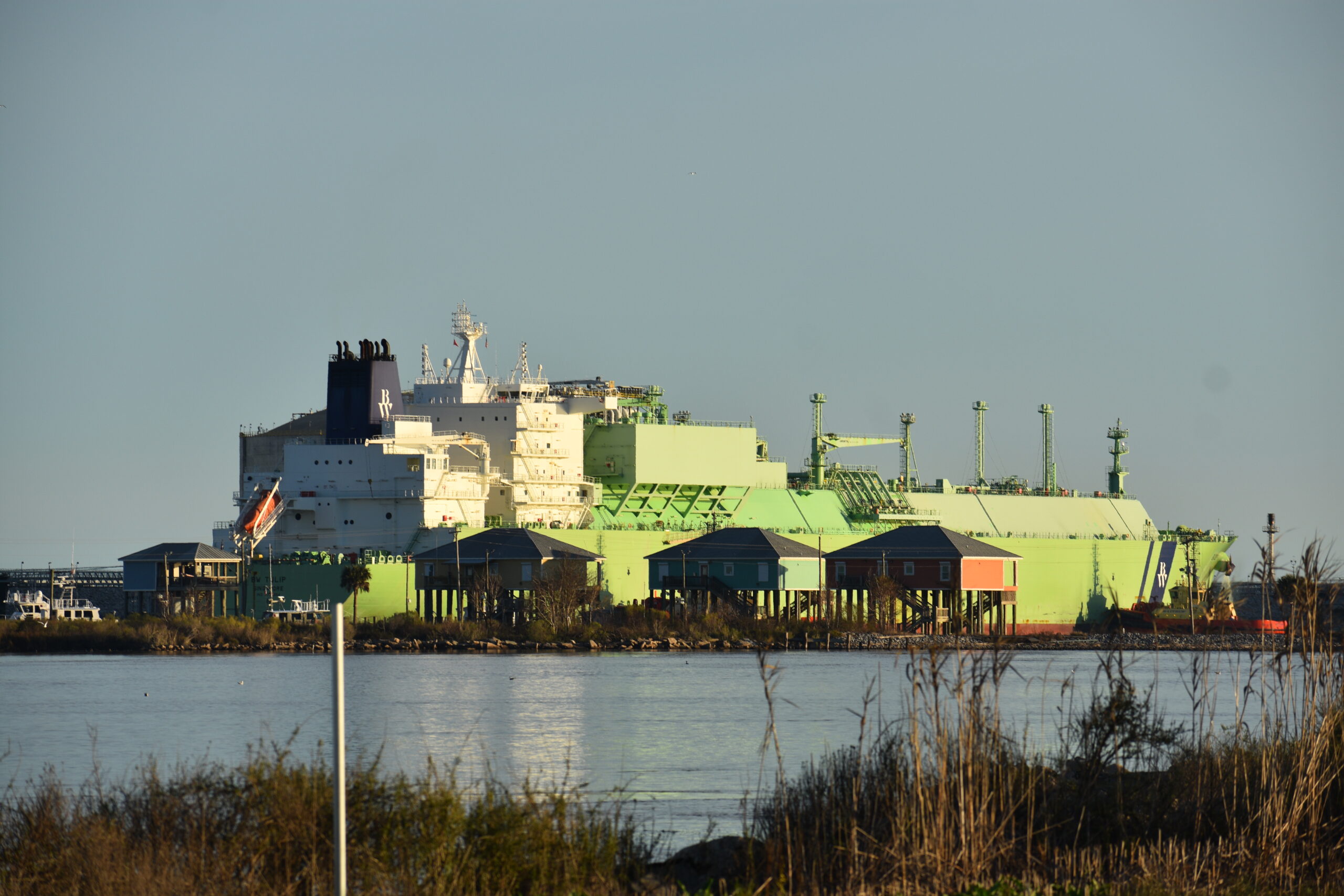
Commercial fishing in southwest Louisiana is already facing hard times. But the rush to build Louisiana LNG export terminals may put an end to a once-vibrant industry.
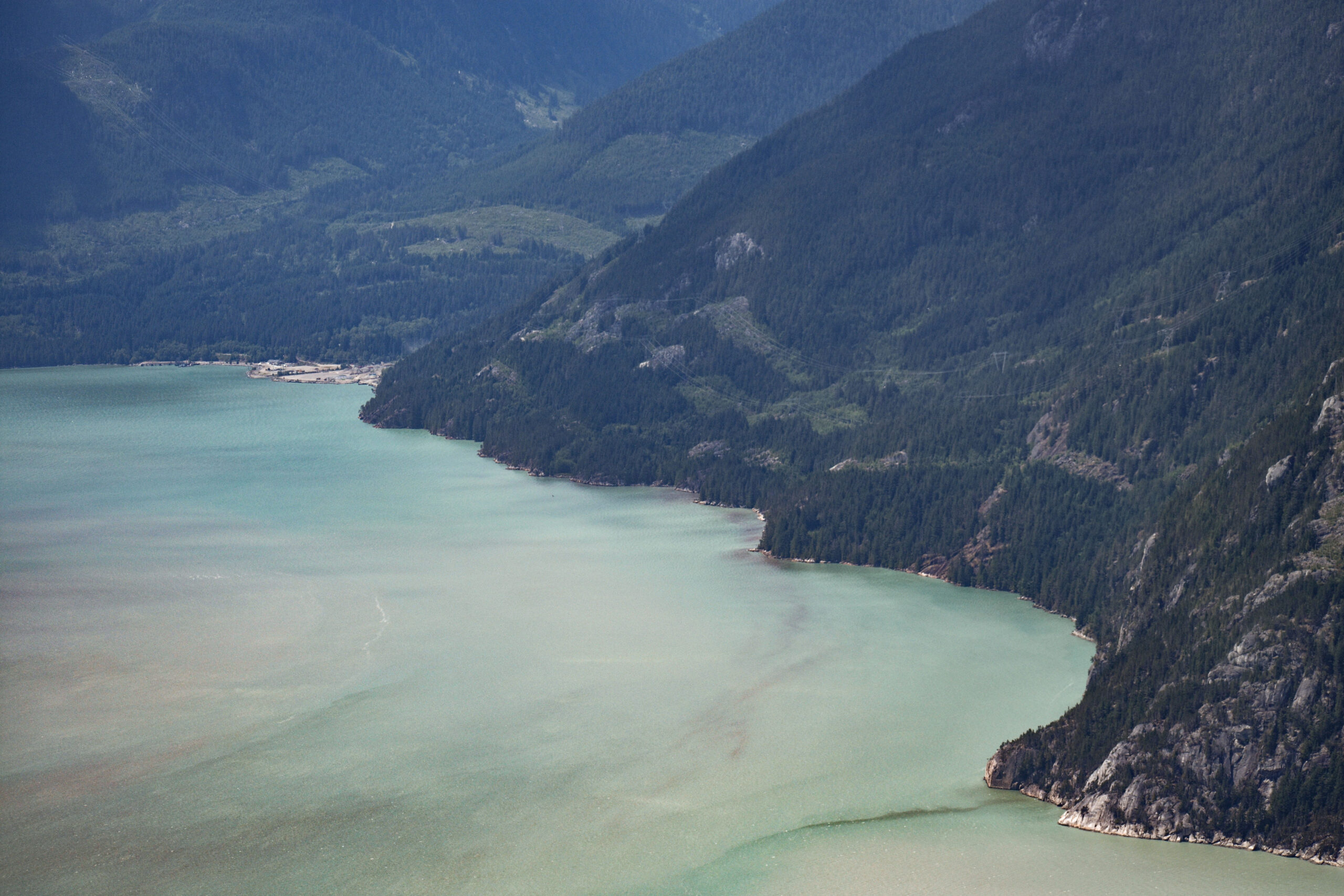
The proposed Woodfibre LNG project has seen costs soar, and is not competitive with larger LNG projects on the U.S. Gulf Coast, despite generous public subsidies. Critics say it will not offer the economic benefit for which British Columbia is hoping.

The scenic Howe Sound, in British Columbia, has seen a stunning improvement in marine life. But this “success story” is under threat from the proposed Woodfibre LNG project, critics say.
Featured inمقالات خاصة