

Emissions
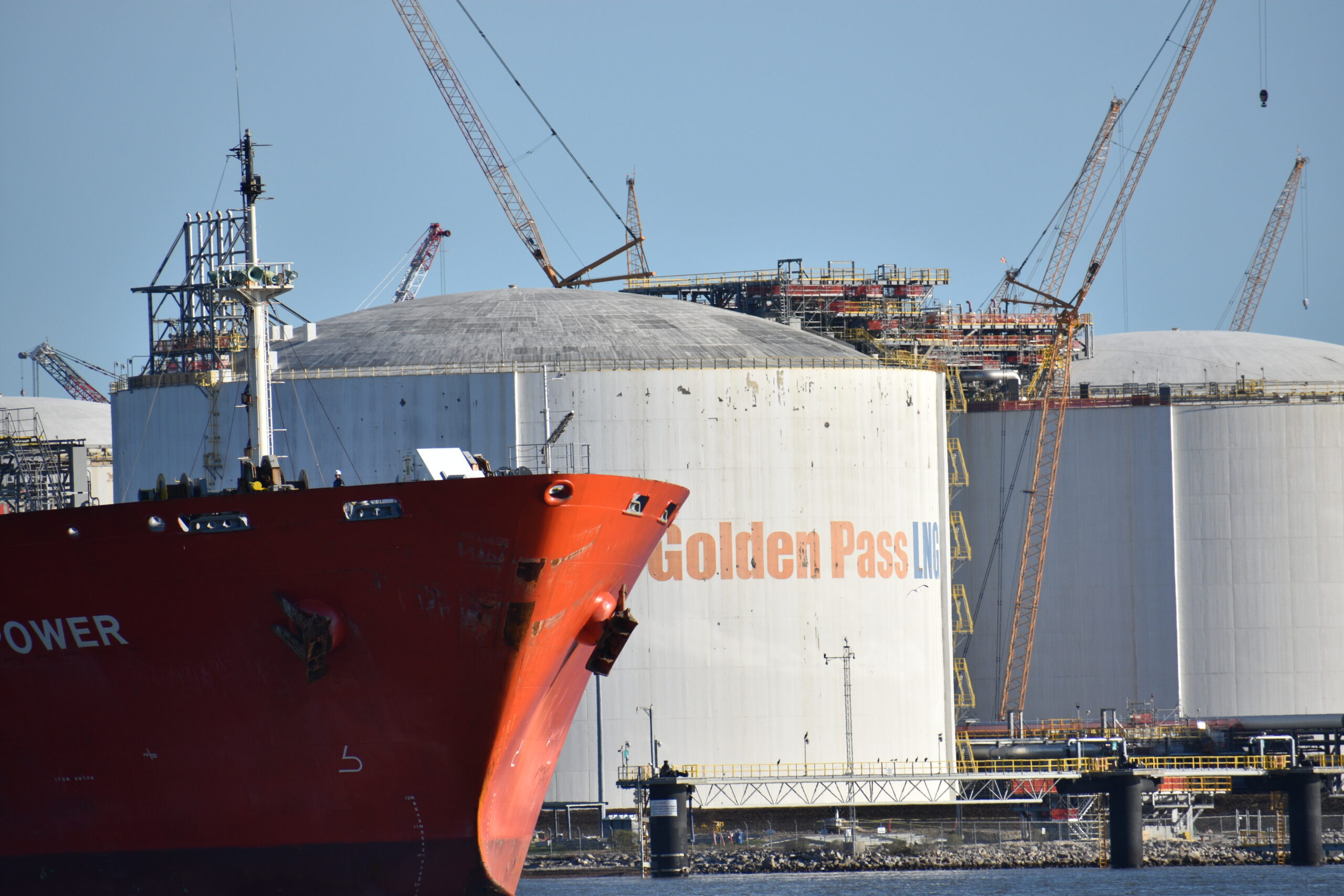
Researchers recorded nearly 1 million measurements across major U.S. oil and gas production sites, and found methane emissions far higher than U.S. EPA data suggests.
The climate disclosure requirements are far weaker than originally outlined by the financial regulator two years ago.
The ExxonMobil lawsuit represents a first of its kind but is happening against the backdrop of a wider pushback against climate activism by energy companies.
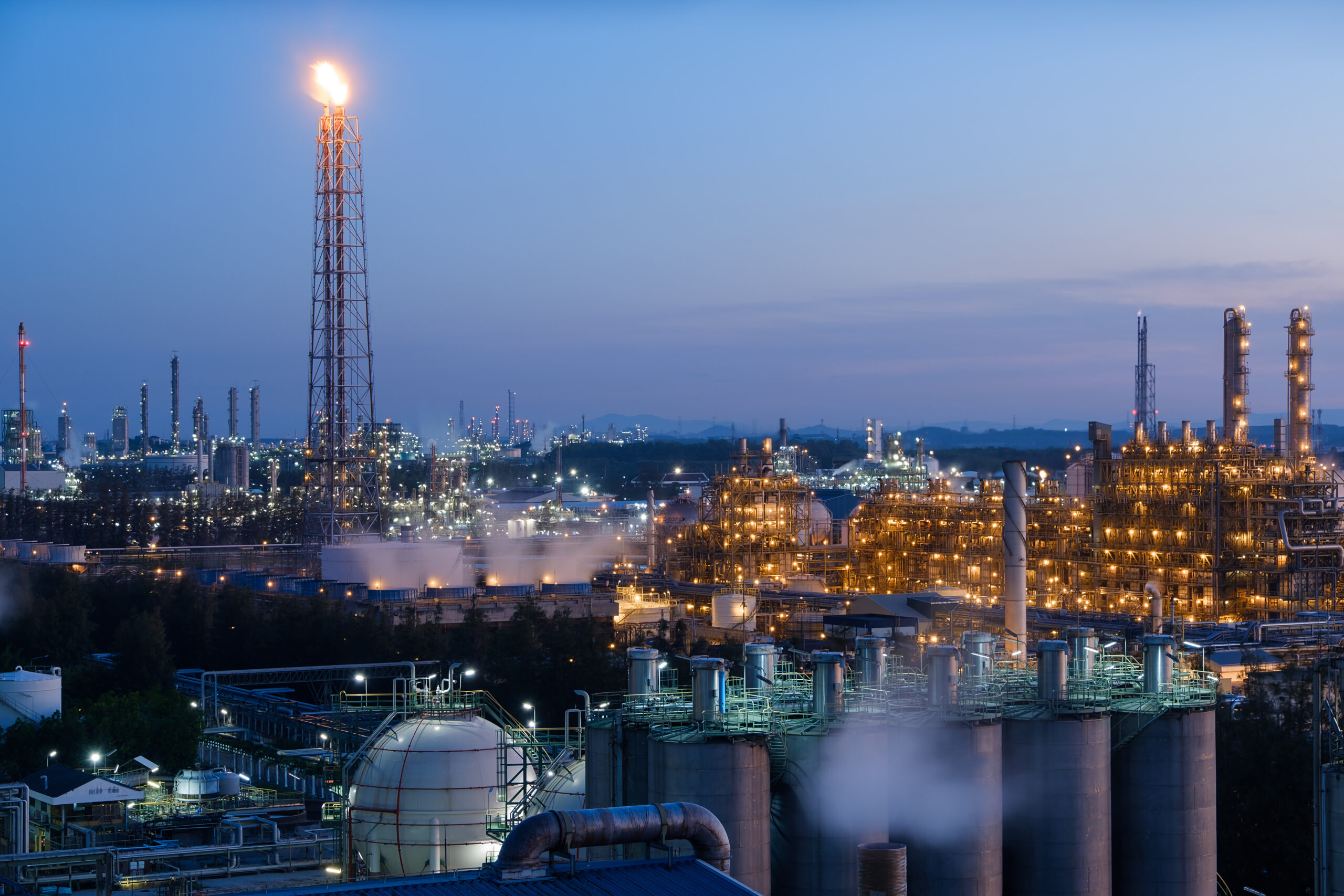
Critics say the EU’s new emissions reduction strategy focuses too heavily on unproven carbon capture technologies.
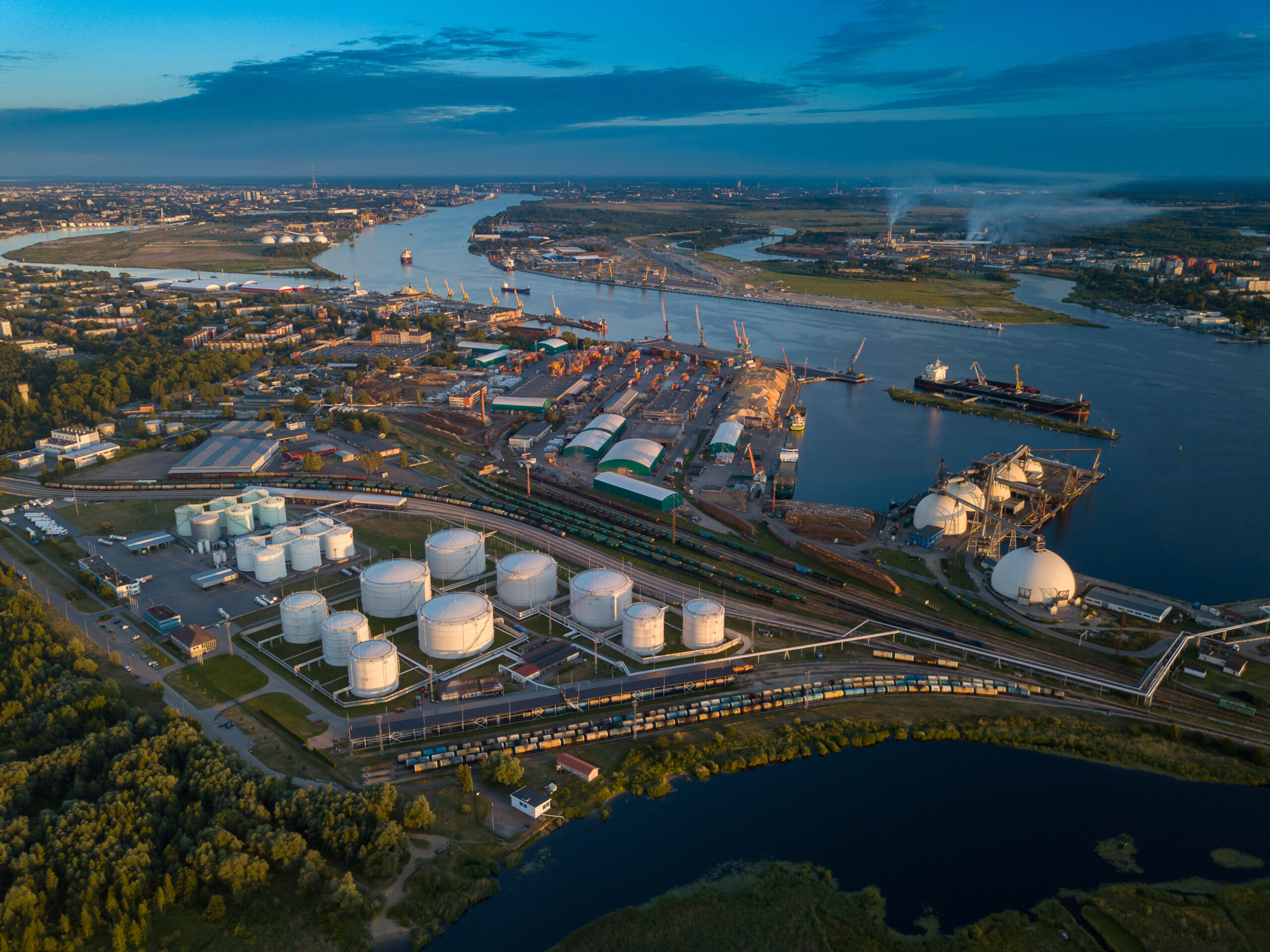
Over-reliance on CCS in decarbonisation plans might prolong the role of fossil fuels in economies, experts warned.
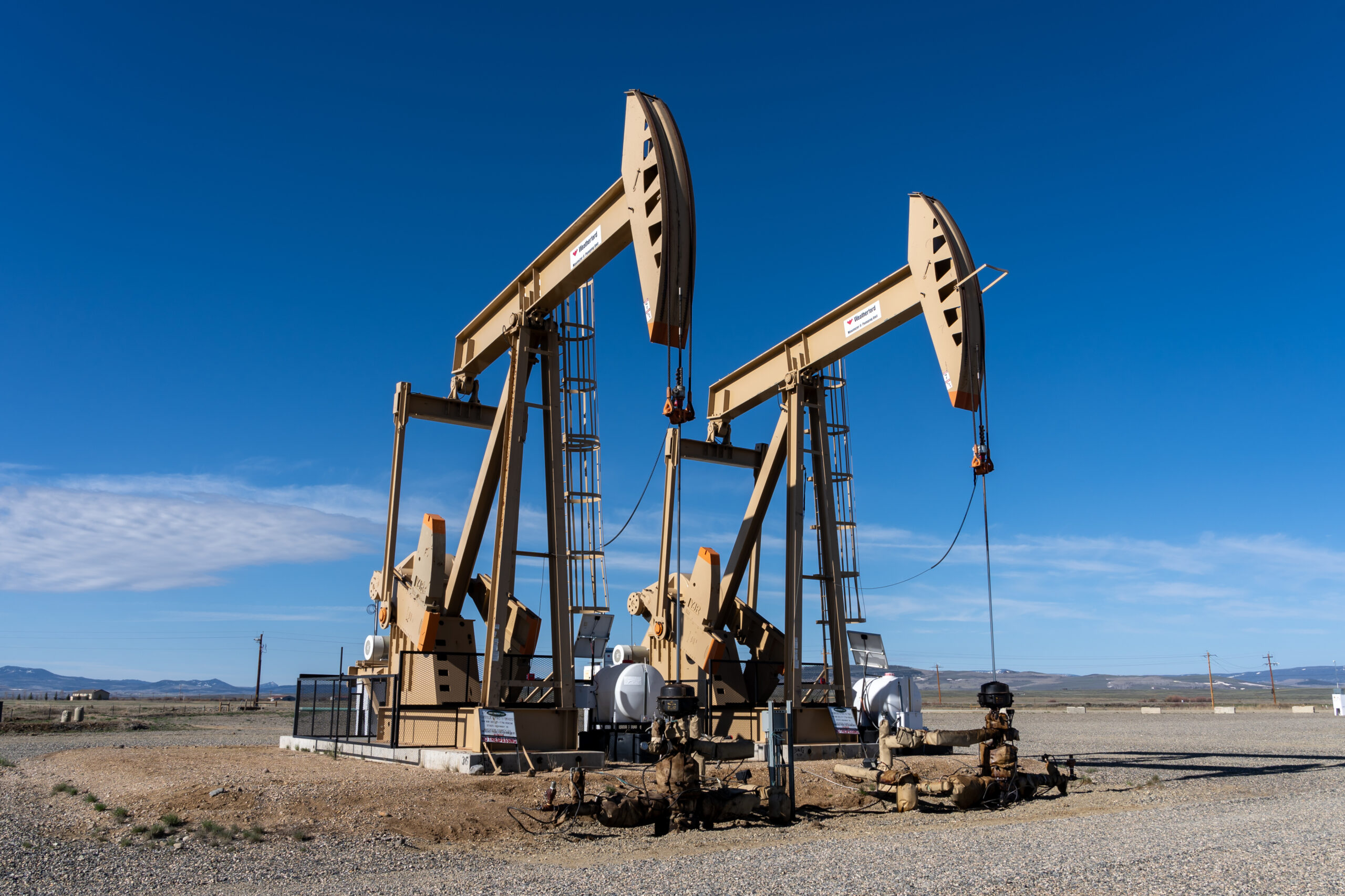
The highly-anticipated policy will charge drillers for excess methane emissions.
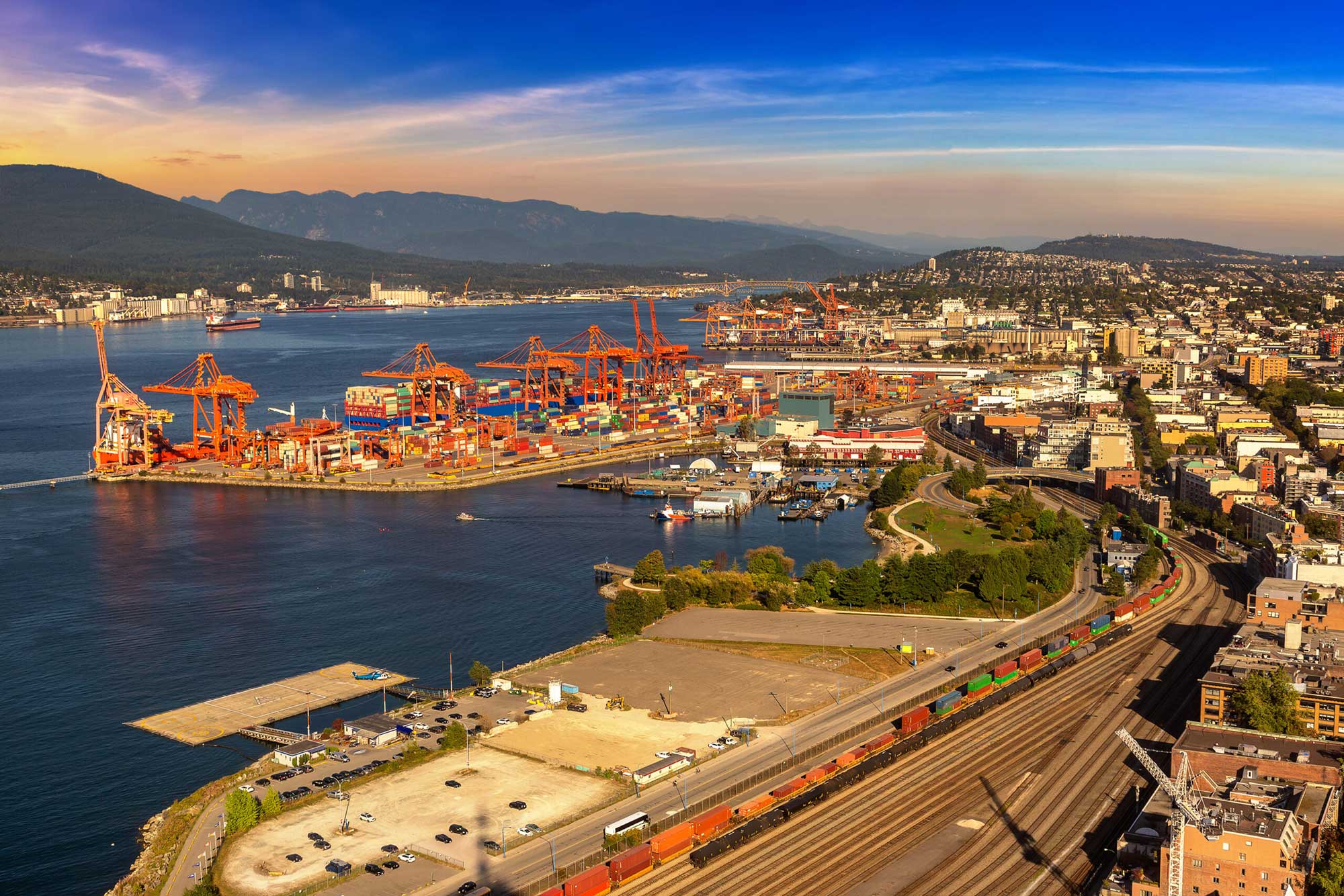
A Canadian LNG project in northern British Columbia has agreed to a 20-year purchase agreement with Shell.

While using satellite imagery to quantify methane leaks from landfill sites, PhD student Emily Dowd made a remarkable discovery.

With buildings responsible for around 40% of EU energy consumption, a new agreement to phase out fossil fuels buildings emissions marks progress.
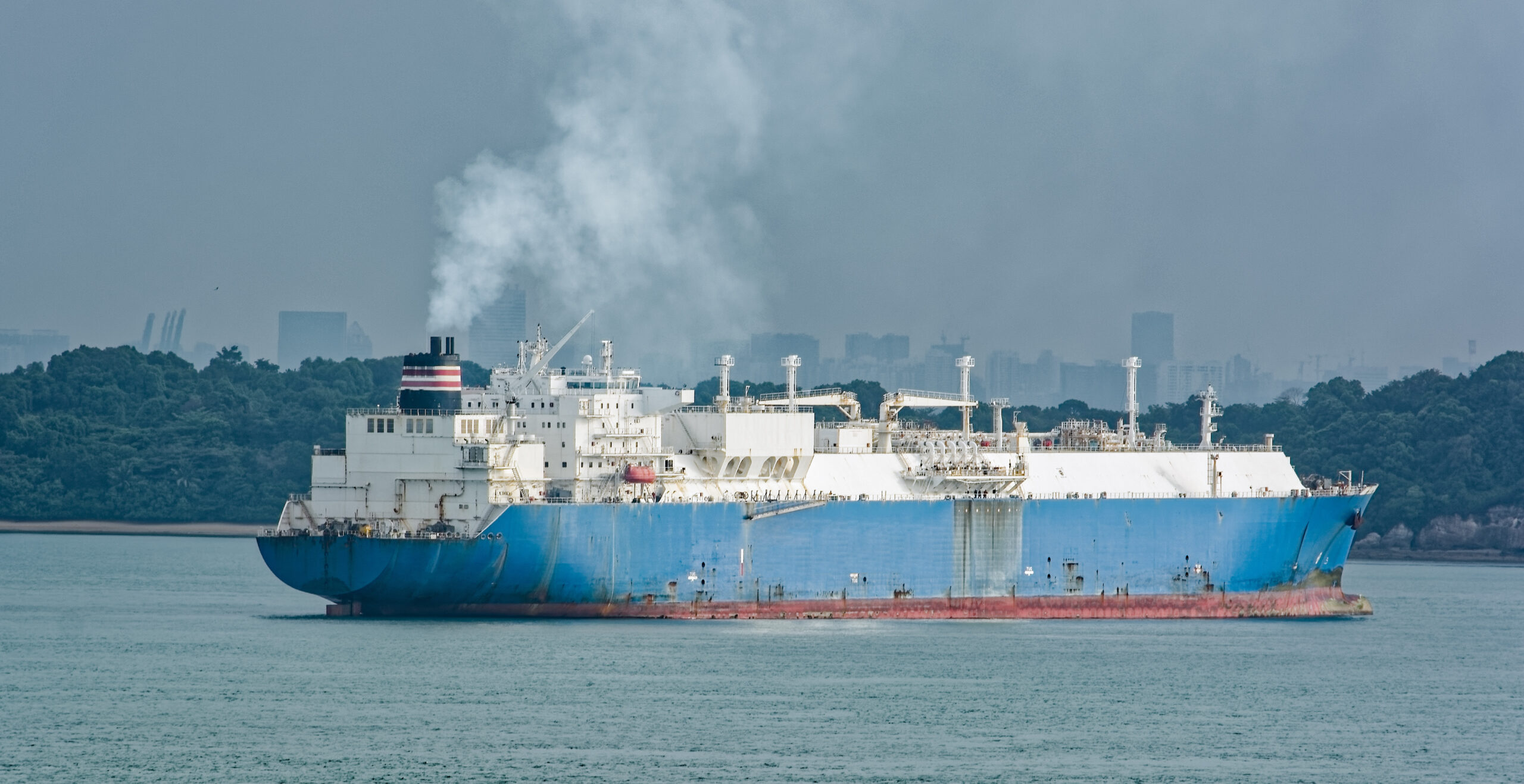
The report confirms other recent studies that Southeast Asian LNG is not the environmentally-friendly green transition fuel once thought just a few years ago.

Fifty countries including the UAE and Saudi Arabia signed an official charter that stipulates reducing carbon and methane emissions.

At COP28 in Dubai, 50 oil and gas companies pledged to stop contributing to greenhouse gas emissions by 2050.
The fossil fuel industry should commit at COP28 to reduce operational emissions by 60% to 2030, the IEA’s chief executive Fatih Birol said.

A landmark EU deal this week to impose methane emissions limits on oil and gas imports into Europe should spur global action at COP28.
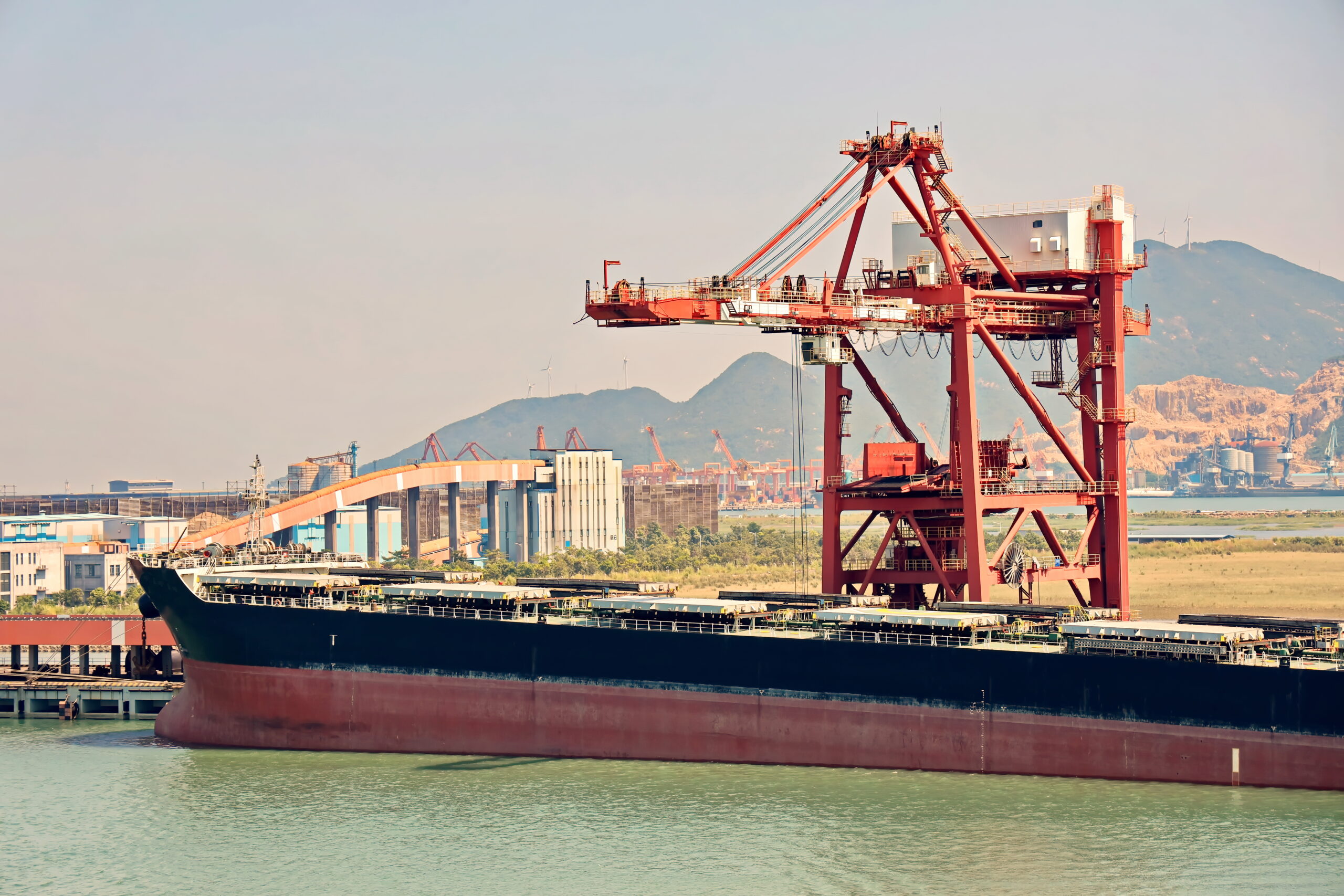
A number of large Chinese LNG deals come at a time when the government also claims the country is on its way to reach net zero by 2060.